Studying at the University of Verona
Here you can find information on the organisational aspects of the Programme, lecture timetables, learning activities and useful contact details for your time at the University, from enrolment to graduation.
Academic calendar
The academic calendar shows the deadlines and scheduled events that are relevant to students, teaching and technical-administrative staff of the University. Public holidays and University closures are also indicated. The academic year normally begins on 1 October each year and ends on 30 September of the following year.
Course calendar
The Academic Calendar sets out the degree programme lecture and exam timetables, as well as the relevant university closure dates..
| Period | From | To |
|---|---|---|
| 1° periodo di lezioni | Oct 2, 2006 | Dec 18, 2006 |
| Periodo riservato per eventuali recuperi di lezioni | Dec 19, 2006 | Dec 20, 2006 |
| 2° periodo di lezioni | Feb 5, 2007 | May 12, 2007 |
| Periodo riservato per eventuali recuperi di lezioni | Apr 30, 2007 | May 12, 2007 |
| Corsi estivi in Canazei | Jul 16, 2007 | Jul 28, 2007 |
| Session | From | To |
|---|---|---|
| 1st exam winter session | Jan 8, 2007 | Jan 13, 2007 |
| 2nd exam winter session | Jan 29, 2007 | Feb 3, 2007 |
| 1st session summer session | May 14, 2007 | May 19, 2007 |
| 2nd session summer session | Jun 11, 2007 | Jun 16, 2007 |
| 3rd session summer session | Jul 9, 2007 | Jul 14, 2007 |
| 1st autumn session | Sep 3, 2007 | Sep 8, 2007 |
| 2nd exam Autumn session | Sep 24, 2007 | Sep 29, 2007 |
| Session | From | To |
|---|---|---|
| Deadline for presentation of degree thesis | Jun 3, 2007 | Jun 3, 2007 |
| Degree exams | Jun 20, 2007 | Jun 22, 2007 |
| Deadline for presentation of degree thesis | Sep 3, 2007 | Sep 3, 2007 |
| Degree exams | Sep 20, 2007 | Sep 21, 2007 |
| Period | From | To |
|---|---|---|
| All Saints holiday | Nov 1, 2006 | Nov 1, 2006 |
| Immaculate Conception holiday | Dec 8, 2006 | Dec 8, 2006 |
| Christmas holidays | Dec 21, 2006 | Jan 7, 2007 |
| Easter holidays | Apr 5, 2007 | Apr 10, 2007 |
| Liberation Day holiday | Apr 25, 2007 | Apr 25, 2007 |
| Labour Day | May 1, 2007 | May 1, 2007 |
| Patron Saint holiday | May 21, 2007 | May 21, 2007 |
| Republic Day holiday | Jun 2, 2007 | Jun 2, 2007 |
| Summer holidays | Jul 16, 2007 | Aug 31, 2007 |
Exam calendar
Exam dates and rounds are managed by the relevant Law Teaching and Student Services Unit.
To view all the exam sessions available, please use the Exam dashboard on ESSE3.
If you forgot your login details or have problems logging in, please contact the relevant IT HelpDesk, or check the login details recovery web page.
Should you have any doubts or questions, please check the Enrollment FAQs
Academic staff
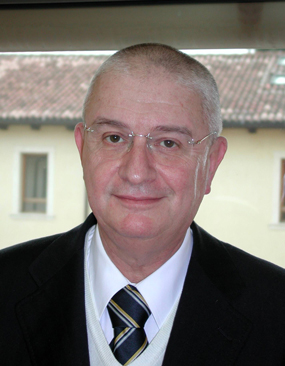
 giovanni.alberti@univr.it
 mariacaterina.baruffi@univr.it
Beghin Mauro



Corletto Daniele
daniele.corletto@univr.it
 +39 045 8028814


Crivelli Elisabetta
elisabetta.crivelli@univr.it
+39 045 8028808

Dalla Massara Tommaso
tommaso.dallamassara@univr.it
+39 045 8028810

Ferrari Franco
franco.ferrari@univr.it
+39 045 8028829

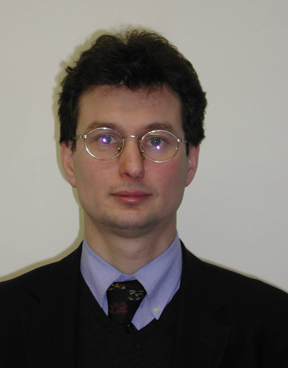



Manente Diego
+39 045 8028830

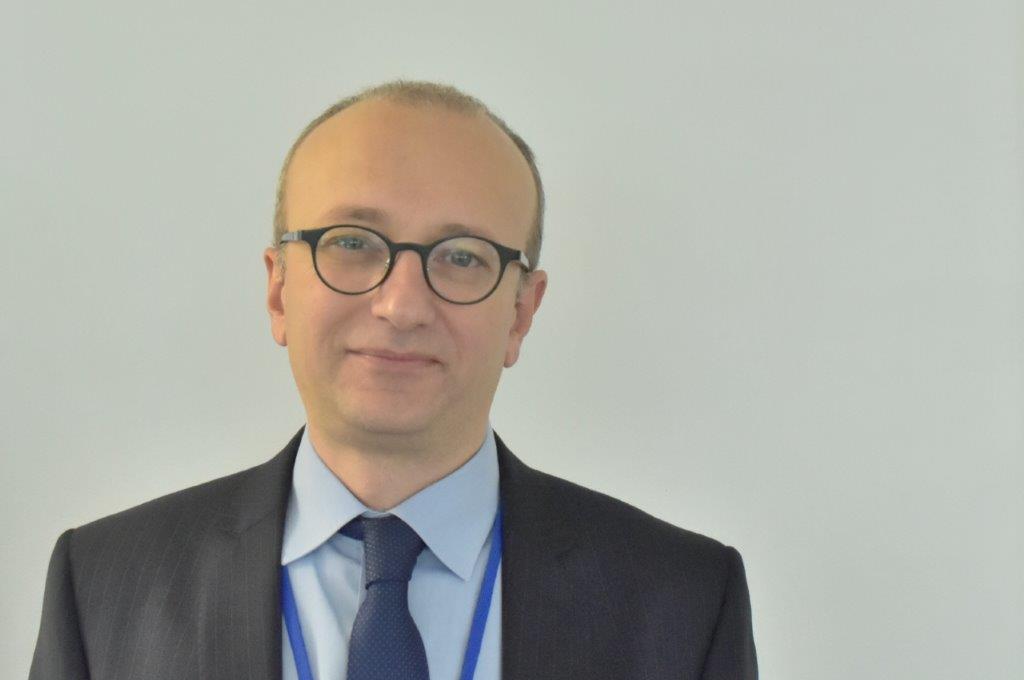

Nardon Erika
erika.nardon@unicatt.it
+39 045 8028816

Ortino Sergio
+39 045 8028830


Palermo Fabris Elisabetta
+39 045 8028813
Paling Rachel Marie
rachel.paling@giurisprudenza.univr.it

Patrono Paolo
paolo.patrono@univr.it
+39 045 8028813
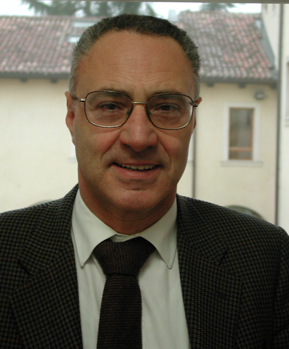


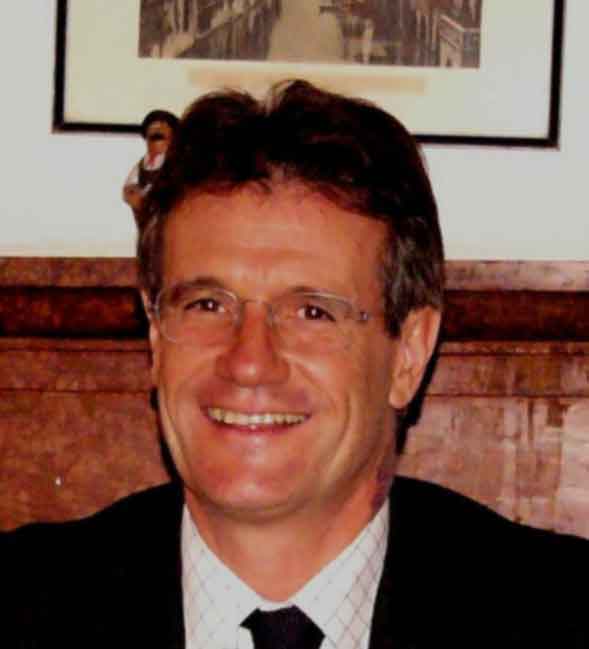

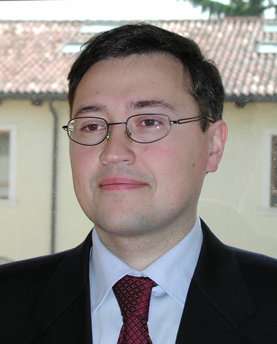
Riguzzi Maurizio
maurizio.riguzzi@univr.it
+39 045 8028852
 girolamo.sciullo@univr.it

Strano Silvana
silvana.stranoligato@univr.it
+39 045 8028856

Tanzi Attila Massimiliano Enrico
attila.tanzi@univr.it
+39 045 8028836

Trimeloni Mario
+39 045 8028820
Valorzi Andrea
+39 045 8028812
 alessio.zaccaria@univr.it
Zanuso Francesca
francesca.zanuso@univr.it
+39 045 8028811
Study Plan
The Study Plan includes all modules, teaching and learning activities that each student will need to undertake during their time at the University.
Please select your Study Plan based on your enrollment year.
1° Year
| Modules | Credits | TAF | SSD |
|---|
Roman Law Institutions
History of Medieval and Modern Law
Principles of economics
2° Year activated in the A.Y. 2007/2008
| Modules | Credits | TAF | SSD |
|---|
3° Year activated in the A.Y. 2008/2009
| Modules | Credits | TAF | SSD |
|---|
4° Year activated in the A.Y. 2009/2010
| Modules | Credits | TAF | SSD |
|---|
Constitutional law 2 (b)
- Constitutional law 2 (b) [Diritto costituzionale 2 (b)]
- Constitutional law 2 (b) [Diritto dell'informazione giornalistica]
- Constitutional law 2 (b) [Diritto costituzionale 2 (b)]
- Constitutional law 2 (b) [Diritto costituzionale regionale]
- Constitutional law 2 (b) [Diritto dell'informazione giornalistica]
- Constitutional law 2 (b) [Diritto costituzionale 2 (b)]
- Constitutional law 2 (b) [Diritto dell'informazione giornalistica]
5° Year activated in the A.Y. 2010/2011
| Modules | Credits | TAF | SSD |
|---|
| Modules | Credits | TAF | SSD |
|---|
Roman Law Institutions
History of Medieval and Modern Law
Principles of economics
| Modules | Credits | TAF | SSD |
|---|
| Modules | Credits | TAF | SSD |
|---|
| Modules | Credits | TAF | SSD |
|---|
Constitutional law 2 (b)
- Constitutional law 2 (b) [Diritto costituzionale 2 (b)]
- Constitutional law 2 (b) [Diritto dell'informazione giornalistica]
- Constitutional law 2 (b) [Diritto costituzionale 2 (b)]
- Constitutional law 2 (b) [Diritto costituzionale regionale]
- Constitutional law 2 (b) [Diritto dell'informazione giornalistica]
- Constitutional law 2 (b) [Diritto costituzionale 2 (b)]
- Constitutional law 2 (b) [Diritto dell'informazione giornalistica]
| Modules | Credits | TAF | SSD |
|---|
Legend | Type of training activity (TTA)
TAF (Type of Educational Activity) All courses and activities are classified into different types of educational activities, indicated by a letter.
Philosophy of Law [Matricole dispari] (2006/2007)
Teaching code
4S00316
Teacher
Credits
10
Also offered in courses:
- Philosophy of Law [Matricole dispari] of the course Degree in the Science of legal services for employment
- Philosophy of Law [Matricole dispari] of the course Degree in the Science of legal services for the administration
Language
Italian
Scientific Disciplinary Sector (SSD)
IUS/20 - PHILOSOPHY OF LAW
Period
1st period of lessons, 2nd period of lessons
Location
VERONA
Learning outcomes
La disciplina è volta ad indirizzare la riflessione sull’organizzazione giuridica dei rapporti intersoggettivi, alla ricerca della recta ratio della stessa, ovvero sia di ciò che fonda e giustifica, nel contempo , le scelte del legislatore, del giudice, del giurista e di ogni consociato.
L’insegnamento si propone di indirizzare lo studente, grazie ad una riflessione critica sulle principali dottrine della modernità e della postmodernità, ad avvertirne i limiti della concezione formalistica e normativistica della dimensione giuridica e a riscoprire il valore della classica concezione procedurale e dialettica dell’esperienza giuridica. A tal fine si opererà una verifica nell’ambito delle filosofie del diritto penale moderne e postmoderne.
Program
Nozioni fondamentali di Filosofia del Diritto.
Il fondamento del diritto di punire e le modalità delle sue attuazioni nel pensiero filosofico-giuridico moderno e postmoderno.
| Author | Title | Publishing house | Year | ISBN | Notes |
|---|---|---|---|---|---|
| Platone | Apologia di Socrate. | Per GLI STUDENTI FREQUENTANTI.Qualsiasi edizione. | |||
| APPUNTI DELLE LEZIONI | Appunti delle lezioni - STUDENTI FREQUENTANTI | Integrati dal materiale che verrà eventualmente fornito nelle stesse. | |||
| F. Zanuso e S. Fuselli (a cura di) | Il lascito di Atena | FrancoAngeli | 2011 | Sono da presentare all'esame il saggio di F. Cavalla e tre ulteriori a scelta dello studente. | |
| M. R. Ferrarese | Prima lezione di diritto globale | Laterza | 2012 | 9788842098607 | Per gli STUDENTI NON FREQUENTANTI, pp.87-174 e pp.195-344. |
Examination Methods
L’esame si svolgerà in forma orale.
Teaching materials e documents
-
 Programma e Testi consigliati
(msword, it, 22 KB, 18/09/06)
Programma e Testi consigliati
(msword, it, 22 KB, 18/09/06)
Type D and Type F activities
Modules not yet included
Career prospects
Module/Programme news
News for students
There you will find information, resources and services useful during your time at the University (Student’s exam record, your study plan on ESSE3, Distance Learning courses, university email account, office forms, administrative procedures, etc.). You can log into MyUnivr with your GIA login details: only in this way will you be able to receive notification of all the notices from your teachers and your secretariat via email and soon also via the Univr app.
Language skills
Graduation
Internships
Internships are aimed at enabling students to gain direct knowledge of the world of work and to acquire specific professional skills.
Internships are carried out under the responsibility of an individual lecturer, and can be carried out in professional firms, public administration bodies and companies recognised by the University of Verona.
Any CFU credits gained by doing internships will be recognised and recorded by the University in accordance with the relevant University regulations in force (Regolamento d’Ateneo per il riconoscimento dei crediti maturati negli stage universitari).
For further information on internships, please go to: https://www.univr.it/it/i-nostri-servizi/stage-e-tirocini.
