Studying at the University of Verona
Academic calendar
The academic calendar shows the deadlines and scheduled events that are relevant to students, teaching and technical-administrative staff of the University. Public holidays and University closures are also indicated. The academic year normally begins on 1 October each year and ends on 30 September of the following year.
Course calendar
The Academic Calendar sets out the degree programme lecture and exam timetables, as well as the relevant university closure dates..
| Period | From | To |
|---|---|---|
| Lezioni 1° semestre 2°- 6° anno | Oct 1, 2018 | Dec 21, 2018 |
| ACCOGLIENZA MATRICOLE - ORE 9.00 - AULA D ISTITUTI BIOLOGICI | Oct 5, 2018 | Oct 5, 2018 |
| Corsi elettivi 1° semestre | Oct 8, 2018 | Dec 21, 2018 |
| Lezioni 1° semestre 1° anno | Oct 8, 2018 | Jan 11, 2019 |
| Progress test 2018 | Nov 14, 2018 | Nov 14, 2018 |
| Lezioni 2° semestre - 6° anno | Jan 28, 2019 | May 3, 2019 |
| Corsi elettivi 2° semestre | Feb 18, 2019 | May 31, 2019 |
| Lezioni 2° semestre 1°- 5° anno | Feb 18, 2019 | May 31, 2019 |
| Session | From | To |
|---|---|---|
| Iscrizione Corsi elettivi 1° semestre | Sep 4, 2018 | Oct 4, 2018 |
| Sessione studenti fuori corso | Oct 1, 2018 | Sep 27, 2019 |
| Sessione invernale 2°-5° anno | Jan 7, 2019 | Feb 15, 2019 |
| Sessione invernale 6° anno | Jan 7, 2019 | Jan 25, 2019 |
| Iscrizione Corsi elettivi 2° semestre | Jan 12, 2019 | Feb 13, 2019 |
| Sessione invernale 1° anno | Jan 14, 2019 | Feb 15, 2019 |
| Sessione estiva 6° anno ( Gli esami che prevedono il tirocinio (Clinica Chirurgica, Clinica Medica e Geriatria, Pediatria, Ostetricia e Ginecologia) potranno essere sostenuti solo al termine delle lezioni e dopo aver completato il tirocinio in ciascuna di tali materie. Le propedeuticità vanno comunque rispettate e i laureandi nella sessione di luglio devono terminare gli esami entro il 24 giugno 2019) | May 6, 2019 | Jul 26, 2019 |
| Sessione estiva 1° - 5° anno | Jun 3, 2019 | Jul 26, 2019 |
| Sessione autunnale (i laureandi di ottobre devono terminare gli esami entro il 27 settembre 2019) | Sep 2, 2019 | Sep 27, 2019 |
| Session | From | To |
|---|---|---|
| Sessione invernale straordinaria a.a. 2017-2018 | Mar 11, 2019 | Mar 22, 2019 |
| Sessione estiva (i laureandi di luglio devono terminare gli esami entro il 24 giugno 2019) | Jul 8, 2019 | Jul 26, 2019 |
| Sessione autunnale (i laureandi di ottobre devono terminare gli esami entro il 24 settembre 2019) | Oct 7, 2019 | Oct 18, 2019 |
| Period | From | To |
|---|---|---|
| Festa di Ognissanti | Nov 1, 2018 | Nov 1, 2018 |
| Sospensione dell'attività didattica | Nov 2, 2018 | Nov 3, 2018 |
| Vacanze di Natale | Dec 24, 2018 | Jan 6, 2019 |
| VACANZE DI PASQUA | Apr 19, 2019 | Apr 28, 2019 |
| Festa della liberazione | Apr 25, 2019 | Apr 25, 2019 |
| Festa del Santo Patrono - S. Zeno | May 21, 2019 | May 21, 2019 |
| Description | Period | From | To |
|---|---|---|---|
| 6° anno:Tirocinio professionalizzante 1° semestre | 6° anno:Tirocinio professionalizzante 1° semestre | Oct 1, 2018 | Dec 21, 2018 |
| 2°-5° anno: attività pratiche e tutoriali 1° semestre | 2°-5° anno: attività pratiche e tutoriali 1° semestre | Oct 1, 2018 | Dec 21, 2018 |
| 6° anno:Tirocinio professionalizzante 2° semestre | 6° anno:Tirocinio professionalizzante 2° semestre | Jan 7, 2019 | Jun 7, 2019 |
| 1°-5° anno: attività pratiche e tutoriali 2° semestre | 1°-5° anno: attività pratiche e tutoriali 2° semestre | Feb 18, 2019 | May 31, 2019 |
| 6° anno: recupero Tirocinio professionalizzante | 6° anno: recupero Tirocinio professionalizzante | Jun 10, 2019 | Sep 27, 2019 |
Exam calendar
Exam dates and rounds are managed by the relevant Medicine Teaching and Student Services Unit.
To view all the exam sessions available, please use the Exam dashboard on ESSE3.
If you forgot your login details or have problems logging in, please contact the relevant IT HelpDesk, or check the login details recovery web page.
Should you have any doubts or questions, please check the Enrollment FAQs
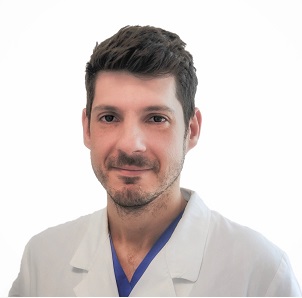
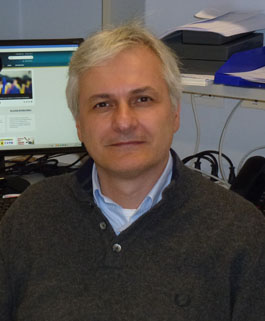
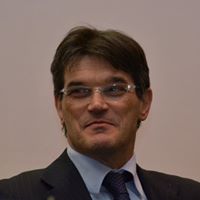
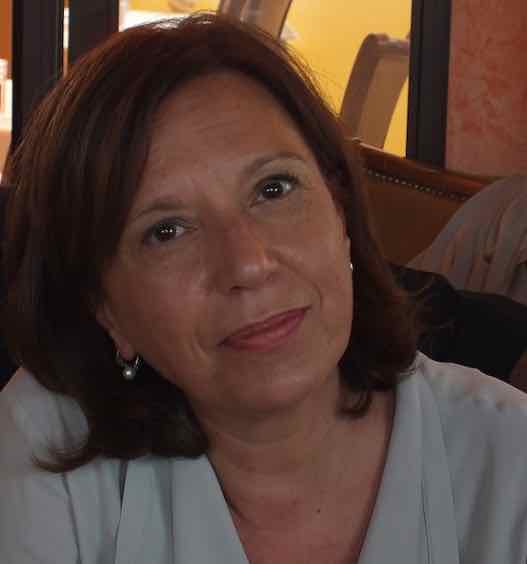
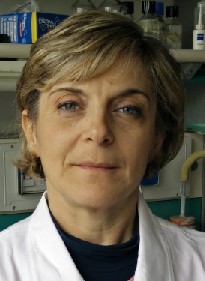
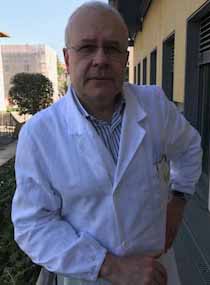
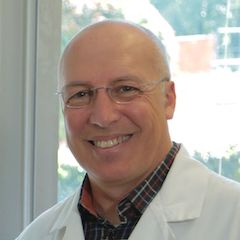
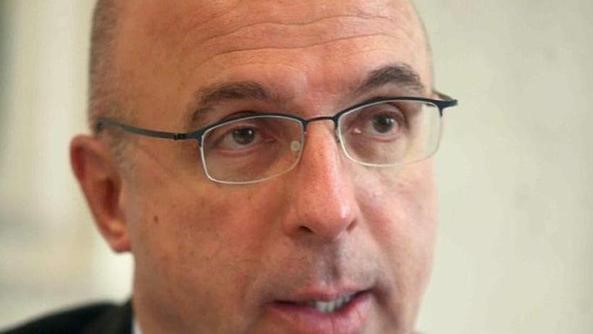
Academic staff
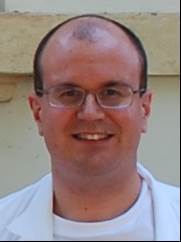
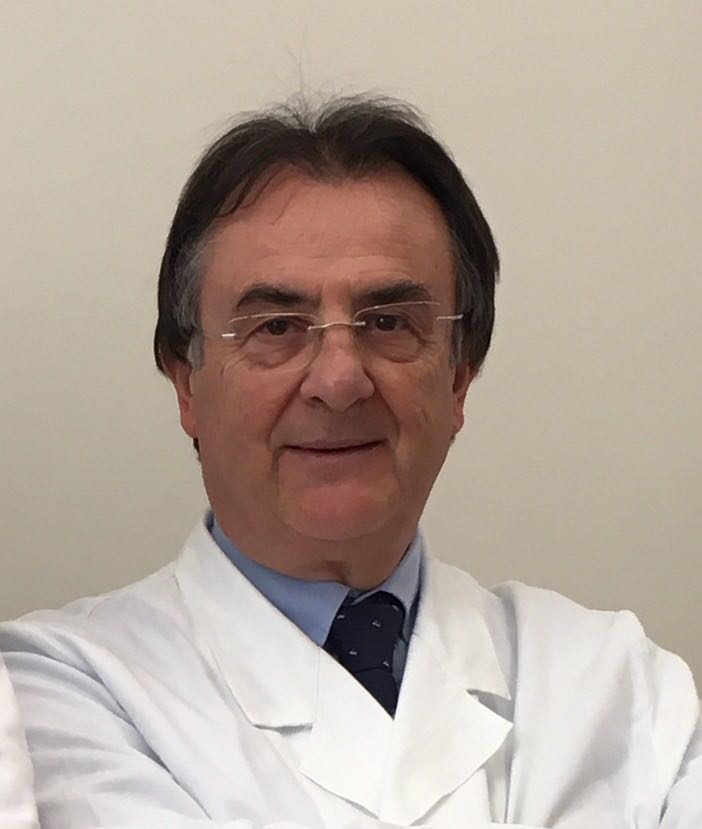
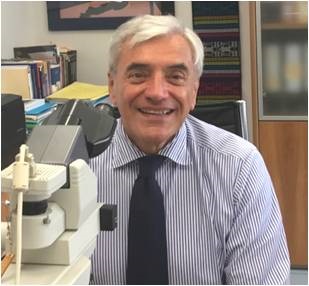
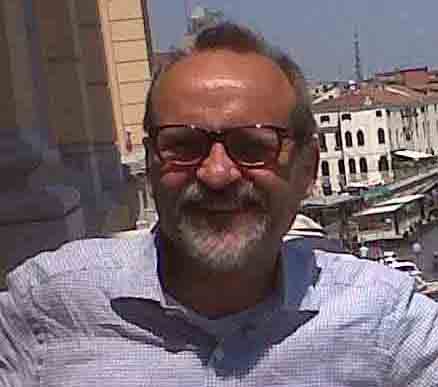
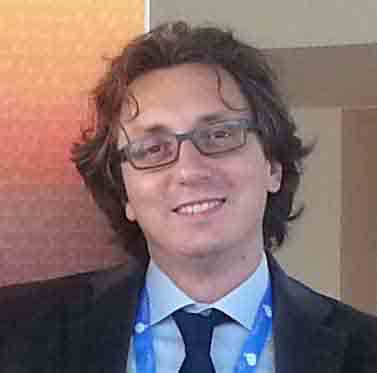
 amod101@yahoo.it; antonio.amodio@ospedaleuniverona.it









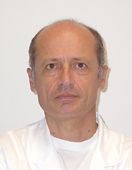
Bisoffi Zeno
zeno.bisoffi@sacrocuore.it
 +390456013326

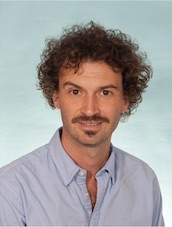

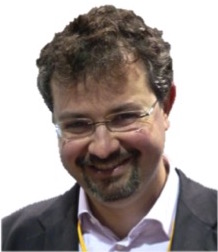


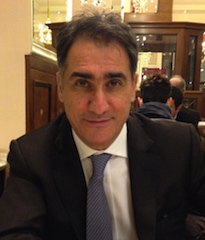









 rebecca.casari@aovr.veneto.it







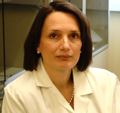


Cornaglia Giuseppe
giuseppe.cornaglia@univr.it
045 8027196










 roxannebarbara.doerr@univr.it




 giuseppe.faggian@univr.it

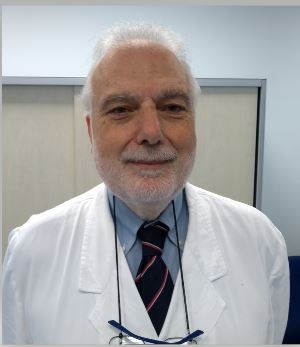 marco.ferdeghini@univr.it
045 812 47 84 (Segreteria) 045 802 74 89 (Segreteria di Istituto)
marco.ferdeghini@univr.it
045 812 47 84 (Segreteria) 045 802 74 89 (Segreteria di Istituto)
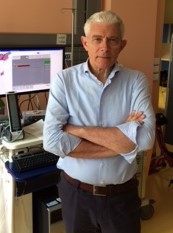
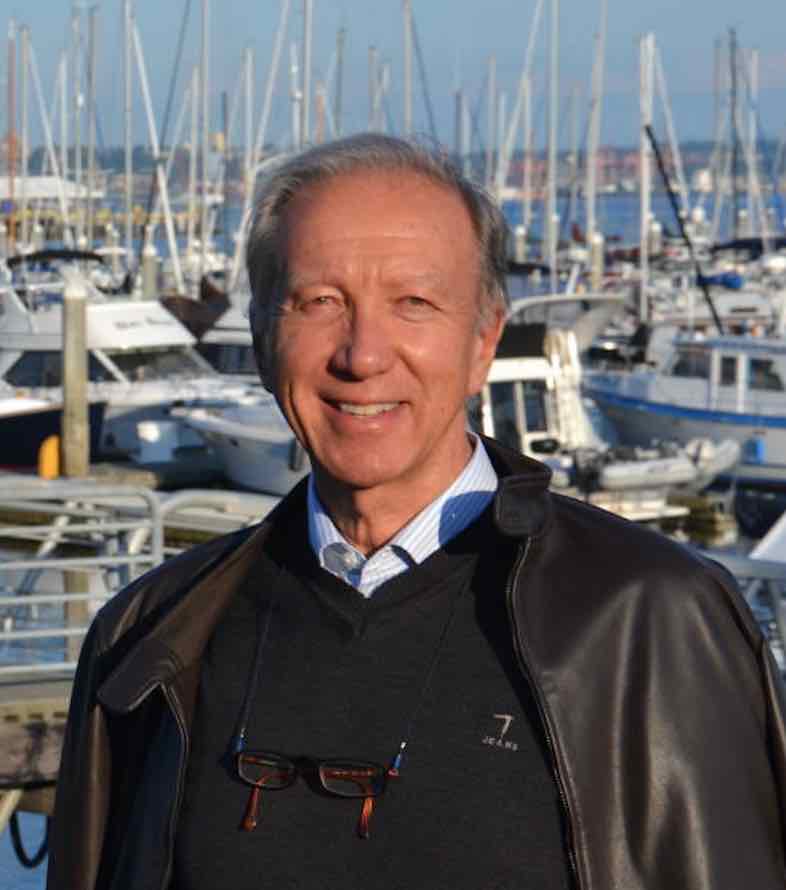

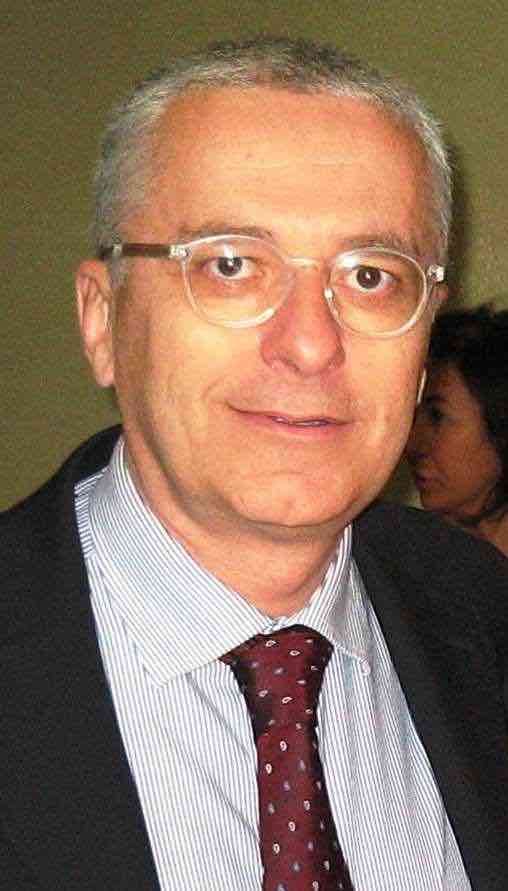


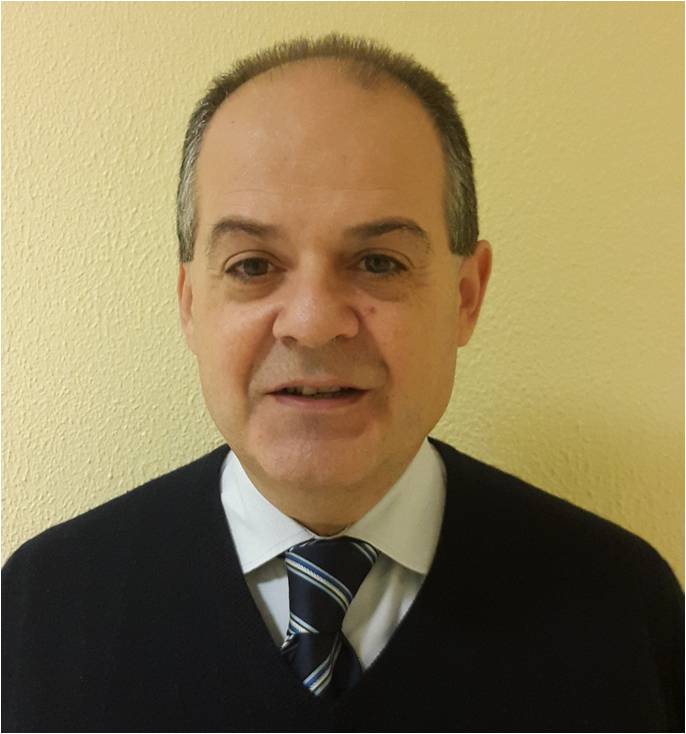


 davide.gatti@univr.it




















 guido.martignoni@univr.it

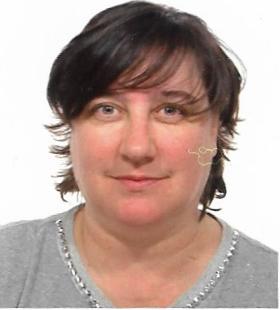
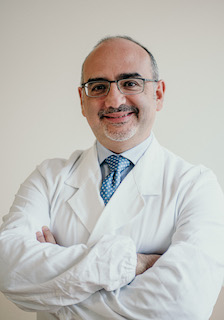







 oliviero.olivieri@univr.it
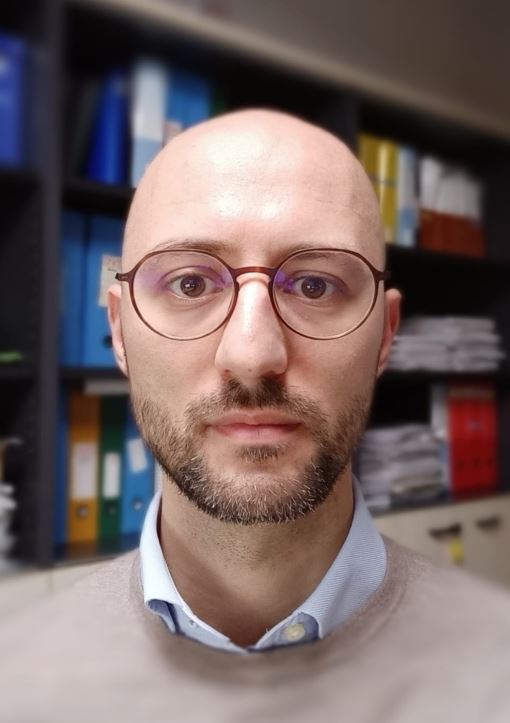

 +39 045 812 4414
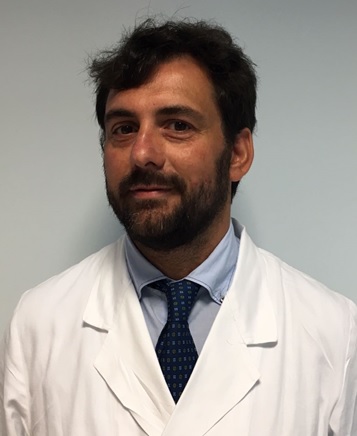


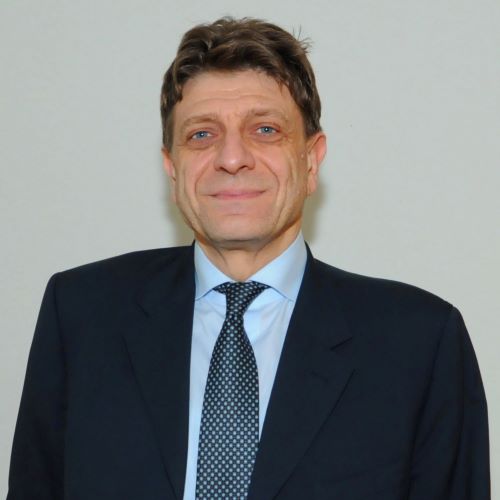
 sara.pilotto@univr.it



 daniele.prati@univr.it


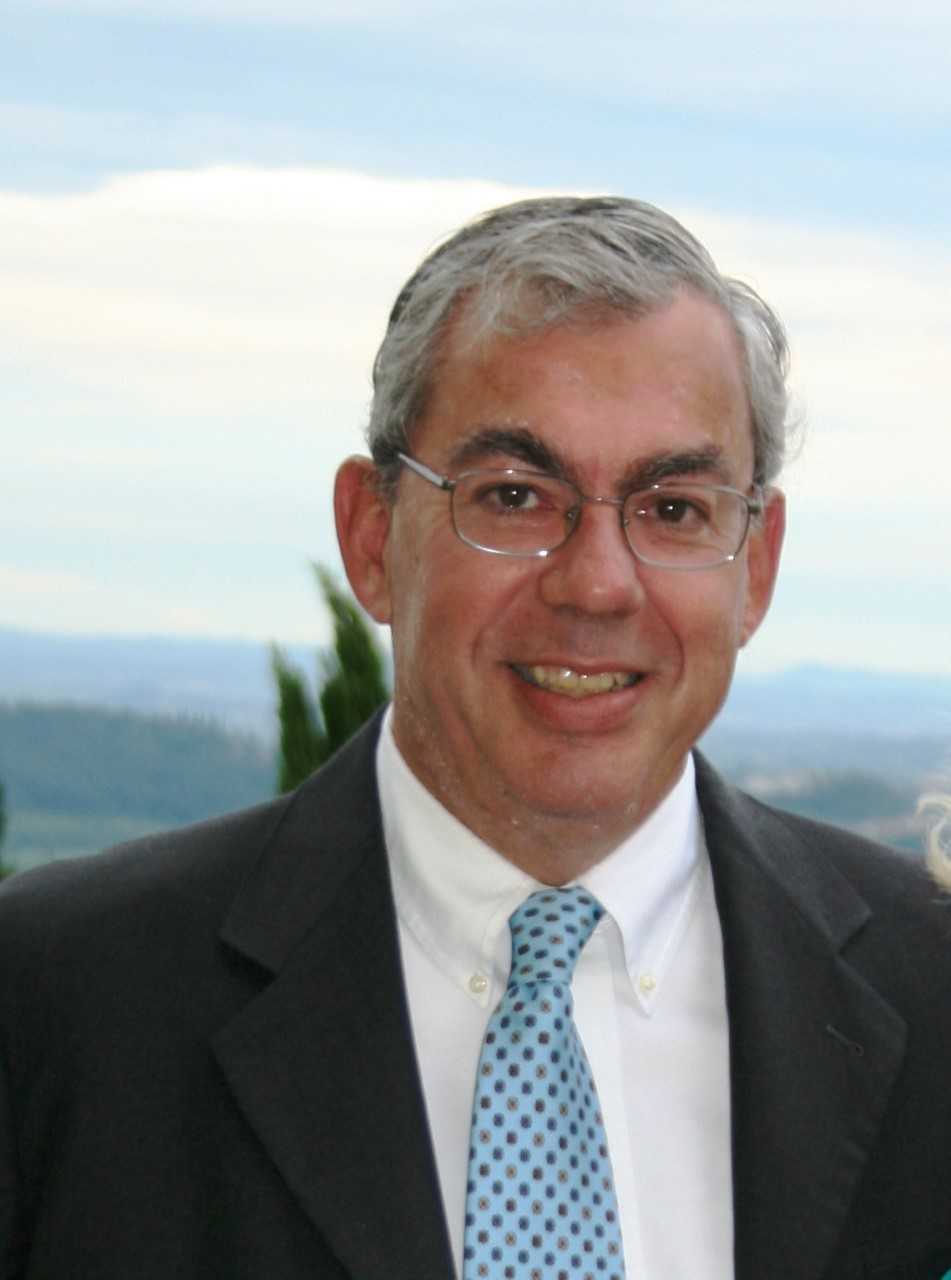 elda.righi@univr.it







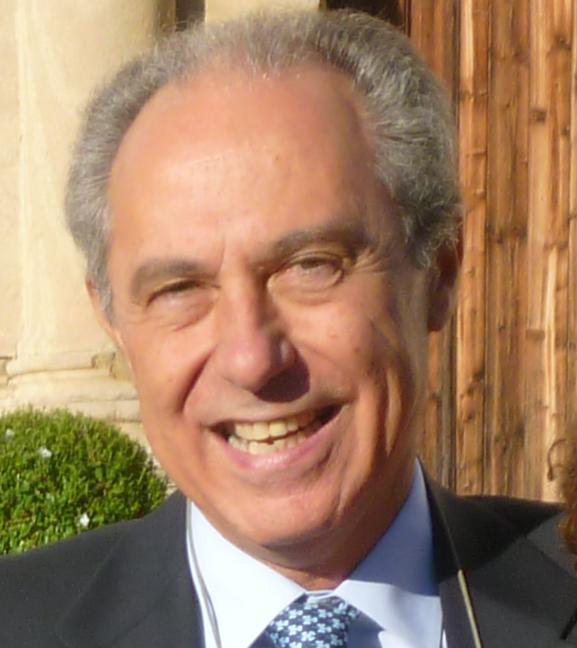






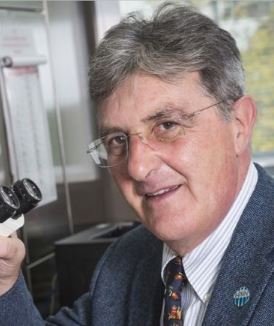


Scuro Alberto
alberto.scuro@univr.it
+39 045 812 4413














 jacopo.weindelmayer@aovr.veneto.it







Study Plan
The Study Plan includes all modules, teaching and learning activities that each student will need to undertake during their time at the University.
Please select your Study Plan based on your enrollment year.
1° Year
| Modules | Credits | TAF | SSD |
|---|
2° Year activated in the A.Y. 2019/2020
| Modules | Credits | TAF | SSD |
|---|
3° Year activated in the A.Y. 2020/2021
| Modules | Credits | TAF | SSD |
|---|
4° Year activated in the A.Y. 2021/2022
| Modules | Credits | TAF | SSD |
|---|
5° Year activated in the A.Y. 2022/2023
| Modules | Credits | TAF | SSD |
|---|
6° Year activated in the A.Y. 2023/2024
| Modules | Credits | TAF | SSD |
|---|
| Modules | Credits | TAF | SSD |
|---|
| Modules | Credits | TAF | SSD |
|---|
| Modules | Credits | TAF | SSD |
|---|
| Modules | Credits | TAF | SSD |
|---|
| Modules | Credits | TAF | SSD |
|---|
| Modules | Credits | TAF | SSD |
|---|
Legend | Type of training activity (TTA)
TAF (Type of Educational Activity) All courses and activities are classified into different types of educational activities, indicated by a letter.
Free choice courses
Microbiology and clinical microbiology (2019/2020)
Teaching code
4S01677
Academic staff
Maria Del Mar Lleo'Fernandez, Davide Gibellini, Annarita Mazzariol
Coordinator
Credits
9
Language
Italian
Scientific Disciplinary Sector (SSD)
MED/07 - MICROBIOLOGY AND CLINICAL MICROBIOLOGY
Period
2° semestre 1°- 5° anno dal Feb 17, 2020 al May 29, 2020.
Location
VERONA

Learning outcomes
The course regards basic and applied aspects of Bacteriology, Virology, Mycology, and Parassitology and provides a conceptual framework to understand and learn:
1) the peculiarity of composition, structure and function of microrganisms in relation to the beginning and evolution of infectious diseases
2) the pathogenesis of infectious diseases and the conceptual basis of immunotherapy and vaccines
3) the mechanism of action of antimicrobial agents and the conceptual basis of antimicrobial therapy
4) the role of specific microrganisms in human diseases
5) the methods for diagnosis of infectious diseases
Program
• GOALS AND ESSENTIAL FEATURES OF THE MICROBIOLOGY COURSE.
• HISTORY OF MICROBIOLOGY.
• GENERAL BACTERIOLOGY.
• The distinctive features of the Prokaryotes.
• Principles of bacterial taxonomy.
• Morphology and functional organization of the bacterial cell.
• Gram staining.
• Cell wall structure and function in Gram-positive and Gram-negative bacteria.
• Synthesis of the peptidoglycan
• Structure and function of the plasmatic membranes. Trans-membrane transport systems.
• The cytoplasm, the cytoplasm inclusions and the bacterial ribosomes.
• Structure and function of facultative bacterial cell components: fimbriae, pili, capsule.
• Structure and function of the spores. Sporogenesys and germination.
• Bacterial genetics.
• The bacterial metabolism.
• Fermentation in bacteria.
• Nutritional requirements in bacteria.
• Culture media in Bacteriology.
• The bacterial growth at both cellular and population level.
• Pathogenesis of bacterial infections.
• Infections in the human organism: transmission, colonization, penetration, diffusion, evasion of defence mechanisms.
• Direct and indirect damages.
• Esotoxins.
• Endotoxins and septic shock.
• BACTERIOLOGY.
• Morphological and structural features. Cultivation, pathogenesis of the related diseases, laboratory identification, prophylaxis, antibiotic susceptibility
• Staphylococci. Differential features of S. aureus, S. epidermidis and others coagulase-negative staphylococci.
• Streptococci. Differential features of S. pyogenes, S. agalactiae, S. pneumonia.
• Enterococci.
• Corynebacteria.
• Haemophili.
• Bordetella pertussis.
• Enterobacteriaceae. Differential features E. coli, Salmonella spp., Shigella spp., Proteus spp., Yersinia spp., Klebsiella spp.
• Neisseriae. Differential features of N. meningitidis and N. gonorrhoeae.
• Acinetobacter.
• Spirochetae. Differential features of the genera Treponema, Borrelia, and Leptospira.
• Pseudomonas and other non-fermenting Gram-negatives.
• Vibrio cholerae.
• Helicobacter pylori and Campylobacter.
• Legionella pneumophila.
• Chlamidiae and Mycoplasma.
• Brucella.
• Listeria.
• Bartonellae and Rickettsiae.
• The anaerobes. Differential features of C. tetani, C. botulinum, gas-gangrene clostridia, Bacteroides and other Gram-negative anaerobes.
• Mycobacteria. Differential features of M. tuberculosis, non-tubercular mycobacteria, M. leprae.
• THE ANTIBACTERIAL AGENTS.
• Classification, chemical structure and mechanism of action of agents acting at the level of the peptidoglycan synthesis, the protein synthesis, the DNA replication, and the plasmatic membrane.
• Mechanisms of resistance to beta-lactams and to glycopeptides in Gram-positive bacteria.
• Mechanisms of resistance to beta-lactams in Gram-negative bacteria.
• Mechanisms of resistance to macrolides, aminoglycosides, fluoroquinolones.
• Methods for testing the in-vitro activity of antibiotics.
• INTRODUCTION TO THE STUDY OF MYCOLOGY.
• General features, structure and function of the main components of the fungal cell.
• Fungal metabolism and growth. Fungal reproduction.
• Morphology, ecology, pathogenicity, virulence, and laboratory diagnosis of the most important fungi of human interest.
• The yeasts: differential features of Cryptococcus neoformans, Candida albicans, Candida glabrata, Candida krusei, Candida parapsilosis.
• The filamentous fungi. Differential features of Aspergillus and Dermatophytes.
• Dimorphic fungi: Histoplasma, Coccidioides, Blastomyces and Sporotrix. Zygomicetes.
• Mechanism of action of the antifungal drugs and methods for testing their activity in vitro.
• GENERAL VIROLOGY.
• Chemical composition and structure of viruses.
• The classification of viruses and the general features of the principal viruses of human interest.
• The viral multiplication. Attachment, entry, uncoating, replicative strategies, viral synthesis, assembly, and release phase.
• Cultivation and titration of viruses. In-vitro cytopathic effects.
• Viral persistence.
• Mechanisms of antiviral defences.
• Host-virus interaction.
• Specific and non-specific defence mechanisms.
• SYSTEMATIC VIROLOGY.
• Morphological and structural features. Cultivation, pathogenesis of the related diseases, laboratory identification, prophylaxis, susceptibility to antiviral drugs.
• Herpesviruses.
• Poxviruses.
• Adenoviruses.
• Papovaviruses and Parvoviruses (Bocaviruses).
• Picornaviruses.
• Polioviruses, Coxsackieviruses, Rhinoviruses.
• Rotaviruses, Caliciviruses, Astroviruses.
• Hepatitis viruses: HAV and HBV.
• Hepatitis viruses: HCV, HDV and HEV.
• Orthomyxoviruses. Influenza viruses.
• Paramyxovirus. Mumps, Measles, RSV.
• Rhabdoviruses.
• Flaviviruses .
• Rubella virus.
• Coronaviruses.
• Filoviruses.
• Viral haemorrhagic fevers (VHFs)
• Retrovirus.
• HIV and AIDS.
• Oncogenic viruses and cancer.
• General classification of the antiviral agents. Chemical features and mechanism of action of the inhibitors of entry, uncoating, viral synthesis, assembly, and release phase.
• GENERAL PARASSITOLOGY.
• Definition of parasitism.
• Host-parasite interaction in the genesis of a parasitosis.
• Biological cycles. Epidemiology of parasites.
• Role of the immune system.
• SYSTEMATIC PARASSITOLOGY.
• Intestinal infections caused by protozoa: epidemiological, clinical and diagnostic aspects of the infections sustained by Giardia intestinalis, Entamoeba histolytica/dispar, Cryptosporidium spp.
• Intestinal infestations from helminths: epidemiological, clinical and diagnostic aspects of the infestations sustained from: Enterobius vermicularis, Stronglyloides stercoralis, Taenia spp.
• Soil-transmitted helminthiasis (STH).
• Epidemiological, clinical and diagnostic aspects of the infestations sustained by Toxoplasma gondii, Trichomonas vaginalis, Leishmania spp., Trypanosoma spp.
• Malaria: epidemiological, clinical and diagnostic aspects of the infections sustained by Plasmodium spp.
• FUNDAMENTALS OF VACCINOLOGY
| Author | Title | Publishing house | Year | ISBN | Notes |
|---|---|---|---|---|---|
| Murray, Rosenthal, Pfaller | Microbiologia Medica (Edizione 8) | Edra | 2017 | 882144144X | |
| La Placa | Principi di Microbiologia Medica | Edises | 2014 | ||
| Antonelli, Clementi, Pozzi, Rossolini | Principi di Microbiologia Medica | Casa Editrice Ambrosiana | 2017 |
Examination Methods
One oral test.
The test will basically focus on 2-3 topics from distinct areas of General, Systematic, and/or Clinical Microbiology.
The final vote will be the average of the evaluations received in the aforementioned topics.
Career prospects
Module/Programme news
News for students
There you will find information, resources and services useful during your time at the University (Student’s exam record, your study plan on ESSE3, Distance Learning courses, university email account, office forms, administrative procedures, etc.). You can log into MyUnivr with your GIA login details: only in this way will you be able to receive notification of all the notices from your teachers and your secretariat via email and soon also via the Univr app.
Erasmus+ e altre esperienze all'estero
Extra courses and activities
Opzioni (cambio di ordinamento)
Studenti iscritti alla classe LM/41 (Classe delle lauree magistrali in medicina e chirurgia)
Il MUR, con nota prot. n. 8610 del 25/3/2020 avente oggetto: “Abilitazione all’esercizio della professione di Medico-Chirurgo - art. 102 - Decreto legge 17 marzo 2020 n. 18 (convertito con modificazioni dalla L. 24 aprile 2020, n. 27), dispone l’adeguamento dell’ordinamento della classe LM/41 alle normative citate in oggetto.
Coloro i quali hanno concluso/concluderanno il tirocinio pratico-valutativo pre-lauream con giudizio di idoneità (ai sensi del DM 58/2018), conseguita la laurea, sono abilitati all’esercizio della professione di medico-chirurgo e possono procedere all’iscrizione presso l’Ordine dei Medici.
Rilascio del titolo di abilitazione
Ai fini del rilascio dell’abilitazione professionale è richiesto il pagamento delle seguenti tasse:
- tassa erariale pari a € 49,90 da versarsi prima che inizi la frequenza del tirocinio pratico valutativo
- tassa regionale di abilitazione da versarsi all’atto della consegna del titolo di abilitazione.
Studenti iscritti alla classe 46/S (Classe delle lauree specialistiche in medicina e chirurgia) e ordinamenti previgenti (attualmente fuori corso) oppure studenti iscritti alla classe LM/41 con coorti antecedenti alla coorte 2014 (attualmente fuori corso).
Il MUR, con nota prot. n. 8610 del 25/3/2020 avente oggetto: “Abilitazione all’esercizio della professione di Medico-Chirurgo - art. 102 - Decreto legge 17 marzo 2020 n. 18” dispone che, gli iscritti agli ordinamenti previgenti, con tirocinio pratico previsto post – laurea (ai sensi del DM 445/2001), ferme restando le norme sulla decadenza dagli studi, possono concludere il percorso di studio senza dovere necessariamente acquisire, ai fini dell’ammissione all’esame finale di laurea, il giudizio di idoneità del suddetto tirocinio pratico valutativo. In tal caso il diploma di laurea che rilascerà l’Ateneo avrà la sola valenza di titolo accademico. Resterà ferma, in ogni caso la possibilità per tali soggetti di conseguire eventualmente l’abilitazione all’esercizio della professione di medico-chirurgo in un momento successivo, secondo le modalità di cui al comma 2 dell’art.102, cioè conseguendo la valutazione del tirocinio prescritta dal D.M. n. 445/2001. L’Ateneo continuerà a predisporre un separato diploma di abilitazione.
Si ricorda che ai suddetti studenti è in ogni caso consentita l’opzione al nuovo ordinamento secondo i termini e le modalità previste.
Documents
| Title | Info File |
|---|---|
 All. 1 Tabella di racc. M54
|
pdf, it, 525 KB, 14/06/21 |
|
All. 2 Tabella di racc. MM1
|
pdf, it, 419 KB, 14/06/21 |
|
AVVISO OPZIONE 2024-25
|
pdf, it, 377 KB, 12/12/23 |
|
Richiesta di passaggio di ordinamento 2023-24
|
pdf, it, 483 KB, 10/02/23 |
|
Richiesta di valutazione carriera 2023-24
|
pdf, it, 481 KB, 10/02/23 |
Timetable
Documents
| Title | Info File |
|---|---|
|
Orari 1^ anno - 2^ semestre
|
pdf, it, 19 KB, 12/02/24 |
|
Orari 2^ anno - 2^ semestre
|
pdf, it, 18 KB, 28/02/24 |
|
Orari 3^ anno - 2^ semestre
|
pdf, it, 21 KB, 29/02/24 |
|
Orari 4^ anno - 2^ semestre
|
pdf, it, 21 KB, 27/02/24 |
|
Orari 5^ anno - 2^ semestre
|
pdf, it, 18 KB, 07/03/24 |
|
Orari 6^ anno - 2^ semestre
|
pdf, it, 12 KB, 21/02/24 |
|
Orari II semestre 2023-24
|
pdf, it, 781 KB, 29/02/24 |
|
Orari I semestre 2023-24
|
pdf, it, 280 KB, 29/11/23 |
|
Propedeuticità, blocchi, sbarramenti
|
pdf, it, 548 KB, 22/09/23 |
Graduation
Documents
| Title | Info File |
|---|---|
|
1^ COMMISSIONE DEF. Prof. Magnan giovedì 14 marzo 2024
|
pdf, it, 353 KB, 28/02/24 |
|
1^ COMMISSIONE LAUREANDI giovedì 14 marzo 2024
|
pdf, it, 249 KB, 22/02/24 |
|
2^ COMMISSIONE DEF. Prof. Polati venerdì 15 marzo 2025
|
pdf, it, 354 KB, 22/02/24 |
|
2^ COMMISSIONE LAUREANDI venerdì 15 marzo 2024
|
pdf, it, 248 KB, 22/02/24 |
|
3^ COMMISSIONE DEF. Prof. Gambaro mercoledì 20 marzo 2024
|
pdf, it, 351 KB, 22/02/24 |
|
3^ COMMISSIONE LAUREANDI mercoledì 20 marzo 2024
|
pdf, it, 249 KB, 22/02/24 |
|
Frontespizio
|
pdf, it, 104 KB, 25/09/23 |
|
Linee_guida_conseguimento_titolo
|
pdf, it, 838 KB, 17/03/22 |
|
Norme redazionali tesi
|
pdf, it, 826 KB, 27/10/21 |
