Studying at the University of Verona
Here you can find information on the organisational aspects of the Programme, lecture timetables, learning activities and useful contact details for your time at the University, from enrolment to graduation.
Academic calendar
The academic calendar shows the deadlines and scheduled events that are relevant to students, teaching and technical-administrative staff of the University. Public holidays and University closures are also indicated. The academic year normally begins on 1 October each year and ends on 30 September of the following year.
Course calendar
The Academic Calendar sets out the degree programme lecture and exam timetables, as well as the relevant university closure dates..
| Period | From | To |
|---|---|---|
| 1 SEMESTRE PROFESSIONI SANITARIE | Oct 1, 2021 | Dec 23, 2021 |
| 1° e 2° semestre (corsi annuali) PROFESSIONI SANITARIE | Oct 1, 2021 | Sep 30, 2022 |
| 2 SEMESTRE PROFESSIONI SANITARIE | Jan 10, 2022 | Sep 30, 2022 |
| Session | From | To |
|---|---|---|
| 1^ SESSIONE A.A. 2020/2021 | Oct 1, 2021 | Nov 30, 2021 |
| 2^ SESSIONE A.A. 2020/2021 | Mar 1, 2022 | Apr 30, 2022 |
| Period | From | To |
|---|---|---|
| Festa di Tutti i Santi | Nov 1, 2021 | Nov 1, 2021 |
| Festa dell'Immacolata Concezione | Dec 8, 2021 | Dec 8, 2021 |
| Festa della Liberazione | Apr 25, 2022 | Apr 25, 2022 |
| Festa della Repubblica | Jun 2, 2022 | Jun 2, 2022 |
Exam calendar
Exam dates and rounds are managed by the relevant Medicine Teaching and Student Services Unit.
To view all the exam sessions available, please use the Exam dashboard on ESSE3.
If you forgot your login details or have problems logging in, please contact the relevant IT HelpDesk, or check the login details recovery web page.
Should you have any doubts or questions, please check the Enrollment FAQs
Academic staff
 +39 0458122901


 oncologia.medica.leg@aulsslegnago.it
 daniela.cafaro@univr.it
 elena.carrara@univr.it


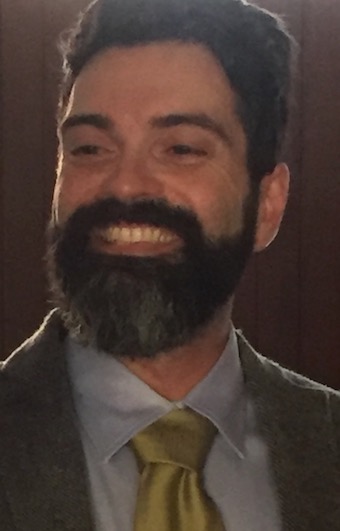
Cunico Laura
laura.cunico@univr.it
 concetta.dellorto@univr.it

 Kiaretta@libero.it

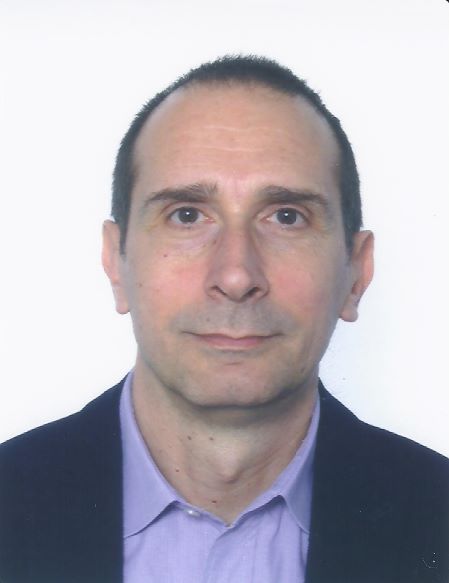

 marta.pantalone@univr.it

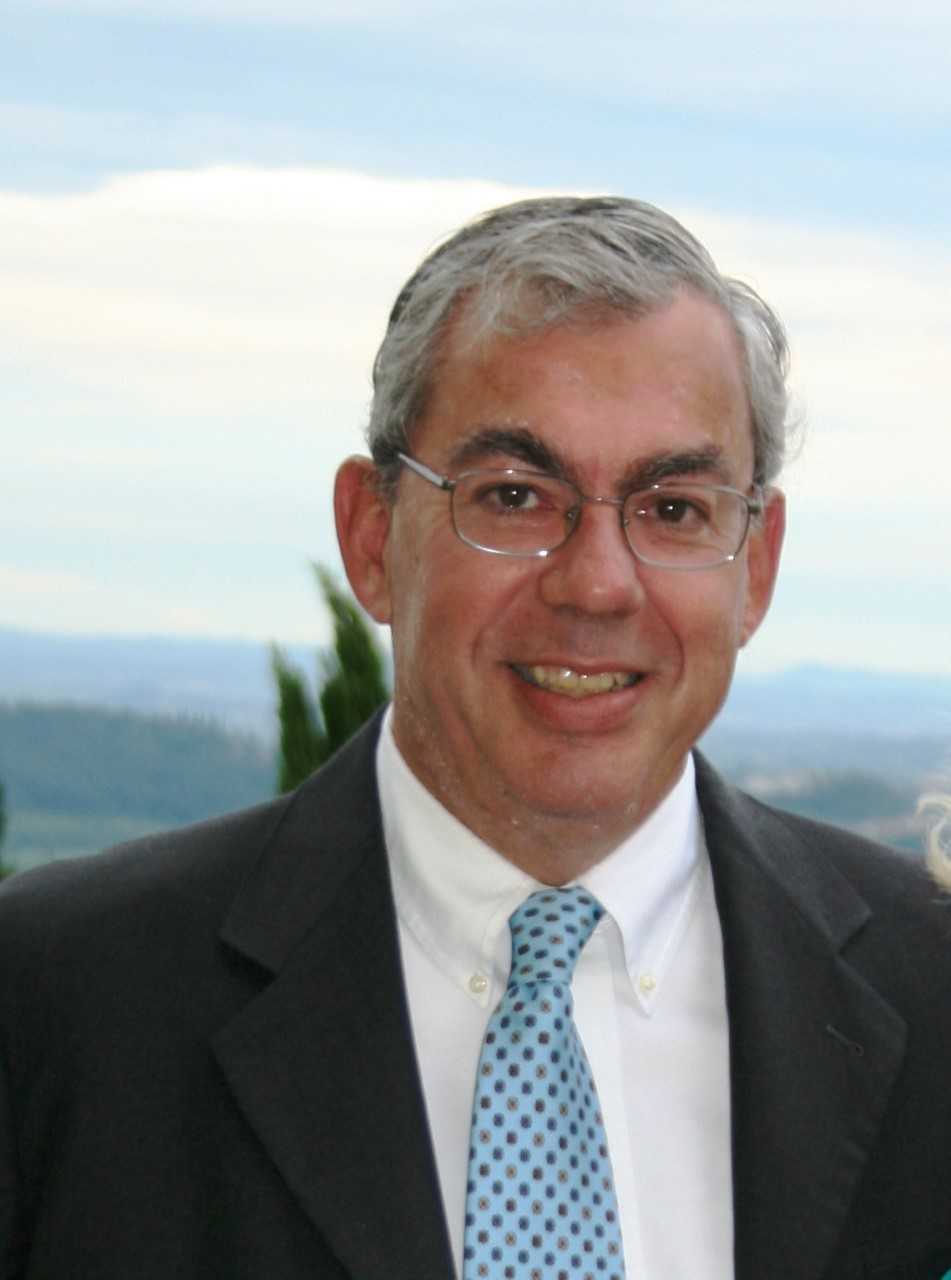


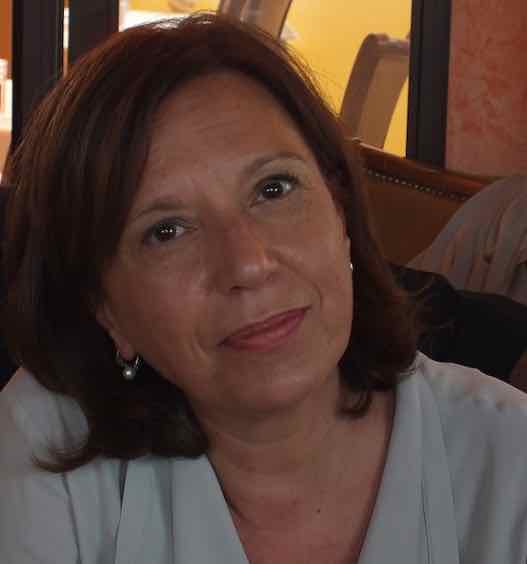

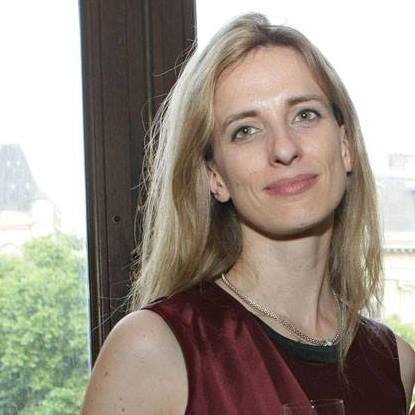

Study Plan
The Study Plan includes all modules, teaching and learning activities that each student will need to undertake during their time at the University.
Please select your Study Plan based on your enrollment year.
1° Year
| Modules | Credits | TAF | SSD |
|---|
Professional Laboratories (1st year)
2° Year activated in the A.Y. 2022/2023
| Modules | Credits | TAF | SSD |
|---|
Professional Laboratories (2nd year)
3° Year activated in the A.Y. 2023/2024
| Modules | Credits | TAF | SSD |
|---|
Professional Laboratories (3rd year)
Corso di Rianimazione di Base con utilizzo del defibrillatore semiautomatico
| Modules | Credits | TAF | SSD |
|---|
Professional Laboratories (1st year)
| Modules | Credits | TAF | SSD |
|---|
Professional Laboratories (2nd year)
| Modules | Credits | TAF | SSD |
|---|
Professional Laboratories (3rd year)
Corso di Rianimazione di Base con utilizzo del defibrillatore semiautomatico
Legend | Type of training activity (TTA)
TAF (Type of Educational Activity) All courses and activities are classified into different types of educational activities, indicated by a letter.
Professional Laboratories (2nd year) [Gruppo 2] (2022/2023)
Teaching code
4S000105
Teacher
Coordinator
Credits
1
Language
Italian
Scientific Disciplinary Sector (SSD)
MED/45 - NURSING
Period
1° e 2° semestre (corsi annuali) PROFESSIONI SANITARIE dal Oct 3, 2022 al Sep 30, 2023.

Learning objectives
The clinical simulation has the purpose to let the students learn some organizational, technical-practical and relational skills in safe setting. Moreover clinical simulation is aiming at develop in the student the problem solving ability using case method and role-playing . Using clinical simulation may reduce the emotional impact in dealing with patents’ real situation experienced by the nursing students in clinical setting. Also, the clinical simulation offers to the students the opportunity to train and apply theoretical principles to clinical practice. The clinical simulation activity happens in equipped settings, where a tutor or an expert nurse guides a small group of students.
Prerequisites and basic notions
THEORETICAL KNOWLEDGE RELEVANT TO THE EXERCISE AND / OR LABORATORY ACQUIRED IN THE CLASSROOM OR RECOVERED FROM THE BIBLIOGRAPHY
Program
Safe administration of drug therapy.
Educational methods for diabetic patients and colonists, relational techniques and strategies, decision making for the management of people with heart failure and with COPD through the analysis of a clinical case.
Bibliography
Didactic methods
Clinical workshops on mannequins: carrying out exercises, group work or case studies. OBLIGATORY PRESENCE
Learning assessment procedures
At the end of the course year, students will get the "approved" mark in their examination report, if they have attended the labs regularly (100%) and their attendance is certified. Otherwise, they will have to catch up for their absence or if any remedial work is needed.
Evaluation criteria
At the end of the course year the teacher will formulate the opinion of "approved" on the exam report, taking into account the regular and certified attendance (100%) of the student in the laboratories with any recovery of absences and any gaps in individual skills.
Criteria for the composition of the final grade
approved or not approved
Exam language
italiano
Career prospects
Module/Programme news
News for students
There you will find information, resources and services useful during your time at the University (Student’s exam record, your study plan on ESSE3, Distance Learning courses, university email account, office forms, administrative procedures, etc.). You can log into MyUnivr with your GIA login details: only in this way will you be able to receive notification of all the notices from your teachers and your secretariat via email and soon also via the Univr app.
Gestione carriere
Tirocinio professionalizzante
Finalità del TirocinioLe attività di tirocinio sono finalizzate a far acquisire allo studente competenze specifiche previste dal profilo professionale. Per conseguire tali finalità formative, si possono attivare convenzioni con strutture, che rispondano ai requisiti di idoneità per attività, dotazione di servizi e strutture.
I 60 crediti minimi riservati al tirocinio sono da intendersi come impegno complessivo necessario allo studente per raggiungere le competenze professionali “core” previste dal rispettivo profilo professionale.
Il tirocinio professionale comprende:
- sessioni tutoriali che preparano lo studente all’esperienza;
- esercitazioni e simulazioni in cui si sviluppano le abilità tecniche, relazionali e metodologiche in situazione protetta prima o durante la sperimentazione nei contesti reali;
- esperienze dirette sul campo con supervisione;
- sessioni tutoriali e feedback costanti;
- compiti didattici, elaborati e approfondimenti scritti specifici e mandati di studio guidato.
Le esperienze di tirocinio devono essere progettate, valutate e documentate nel percorso dello studente. Durante ogni esperienza di tirocinio lo studente riceve valutazioni formative sui suoi progressi sia attraverso colloqui e schede di valutazione.
Al termine di ciascun anno di corso viene effettuata una valutazione sommativa (certificativa) per accertare i livelli raggiunti dallo studente nello sviluppo delle competenze professionali attese. La valutazione viene effettuata da una Commissione presieduta dal Coordinatore della Didattica Professionale (CDP), e composta da almeno un docente e da un Tutor professionale. Tale valutazione è la sintesi delle valutazioni formative, via via, documentate durante l’anno di corso, il profitto raggiunto negli elaborati scritti e le performance delle abilità tecniche assistenziali e relazionali dimostrate all’esame di tirocinio che può essere realizzato con esami simulati, colloqui, prove scritte applicative.
L’esame annuale di tirocinio prevede un unico appello per anno accademico, salvo particolari situazioni per le quali la commissione didattica potrà concedere un appello straordinario.
La valutazione sommativa del tirocinio sarà espressa e registrata nella carriera in trentesimi in base al livello di raggiungimento degli obiettivi. Le modalità di registrazione del voto di profitto sono:
- “assente” pre-iscritto che non ha frequentato alcuna esperienza di tirocinio;
- “ritirato” sospensione durante il tirocinio per problemi di salute, gravidanza o per motivazioni personali;
- “insufficiente” non raggiungimento del livello atteso negli obiettivi formativi (anche se lo studente ha sospeso la frequenza al tirocinio o non sostenuto l’esame finale).
Il Coordinatore della Didattica Professionale (CDP), ammette alla frequenza dell’esperienza di tirocinio previsto per l’anno di corso, gli studenti che hanno frequentato regolarmente:
- le attività teoriche, in particolare gli insegnamenti delle discipline professionali dell’anno in corso e dell’anno precedente
- laboratori professionali ritenuti propedeutici al tirocinio
Per maggiori informazioni consultare la pagina del servizio
Guida ai programmi degli insegnamenti
Guida ai programmi degli insegnamenti
Documents
| Title | Info File |
|---|---|
 Guida ai programmi degli insegnamenti
|
pdf, it, 1594 KB, 12/12/22 |
|
Guida ai programmi degli insegnamenti - inglese
|
pdf, it, 1310 KB, 02/09/21 |
Graduation
Documents
| Title | Info File |
|---|---|
|
Avviso date laurea 2^ sessione A.A. 2022/2023
|
pdf, it, 242 KB, 19/01/24 |
|
Calendario discussione tesi - Commissione n. 1
|
pdf, it, 80 KB, 06/04/24 |
|
Calendario discussione tesi - Commissione n. 2
|
pdf, it, 43 KB, 06/04/24 |
|
Calendario discussione tesi - Commissione n. 3
|
pdf, it, 44 KB, 09/04/24 |
|
ESITI ESAME DI STATO 6/04/24 - COMM. 1
|
pdf, it, 148 KB, 06/04/24 |
|
ESITI ESAME DI STATO 6/04/24 - COMM. 2
|
pdf, it, 108 KB, 06/04/24 |
|
ESITI ESAME DI STATO 6/04/24 - COMM. 3
|
pdf, it, 115 KB, 06/04/24 |
|
Indicazioni metodologiche per l'elaborazione della tesi
|
pdf, it, 1487 KB, 18/02/22 |
|
Indicazioni prova pratica 06/04/2024
|
pdf, it, 437 KB, 22/03/24 |
|
Mappa entrate Istituti Biologici - esame di stato 06/04/2024
|
pdf, it, 957 KB, 22/03/24 |
|
Scadenziario 2^ sessione A.A. 2022/2023
|
pdf, it, 424 KB, 19/01/24 |
Linee guida per riconoscimento cfu
Lo studente che intende chiedere il riconoscimento di moduli o insegnamenti pregressi dovrà presentare domanda, entro il 30 novembre dell’anno accademico in corso, seguendo le indicazioni indicate al link seguente: https://www.univr.it/it/i-nostri-servizi/segreterie-studenti/gestione-carriere-studenti-medicina-e-chirurgia/riconoscimento-crediti-acquisiti-da-una-carriera-pregressa-medicina
Documents
| Title | Info File |
|---|---|
|
linee guida per riconoscimento cfu
|
pdf, it, 295 KB, 09/11/21 |
Orario lezioni
COMUNICAZIONE DEL PRESIDENTE DEL COLLEGIO DIDATTICO
Carissime Studentesse,
Carissimi Studenti,
di seguito un promemoria relativo alle modalità di erogazione della didattica per il corso di studio in Infermieristica A.A. 2022/2023.
In ottemperanza alle linee guida della Commissione didattica di Ateneo, che prevedono una didattica improntata ad un pieno recupero delle modalità regolari di erogazione in presenza, la Commissione didattica del CdL nella seduta del 29 settembre 2022, ha deliberato il pieno ritorno all’utilizzo della didattica frontale in presenza.
Solo nei casi di comprovata positività al COVID-19, e/o in situazioni di particolare fragilità (sempre correlate alla pandemia) sarà previsto il collegamento sincrono in modalità streaming; a tal proposito ogni Docente, sulla propria pagina web, darà chiare indicazioni sulla modalità di fruizione della didattica.
La modalità asincrona (registrazioni delle lezioni) non è prevista.
Nell’augurarvi un buon Anno Accademico, vi saluto cordialmente
Prof. Paolo F Fabene
Documents
| Title | Info File |
|---|---|
|
Indicazioni iscrizione agli insegnamenti in moodle
|
pdf, it, 8849 KB, 20/10/22 |
|
lezioni 1 anno 2 semestre 23/24
|
pdf, it, 108 KB, 29/02/24 |
|
lezioni 2 anno 2 semestre 23/24
|
pdf, it, 90 KB, 22/04/24 |
|
lezioni 3 anno 2 semestre 23/24
|
pdf, it, 85 KB, 05/04/24 |
Student login and resources
Attività didattiche regime part-time
Modalità di richiesta
La domanda di iscrizione part-time può essere presentata all'inizio di ogni anno accademico e comunque entro il 30 novembre di ogni anno. Entro lo stesso termine, se necessario, lo studente potrà richiedere di tornare al regime full-time. Al link seguente la pagina del servizio https://www.univr.it/it/i-nostri-servizi/segreterie-studenti/flessibilita-nella-frequenza-dei-corsi/possibilita-di-iscrizione-part-time-e-ripristino-full-time
Una volta inviata la domanda, lo studente concorda in via preventiva con il Coordinatore della didattica professionale (CDP), il piano di studi che intende perseguire nel periodo di part-time compilando il modulo in allegato
Documents
| Title | Info File |
|---|---|
 Modulo piano di studi part-time da concordare con CDP
|
octet-stream, it, 1309 KB, 21/10/22 |
Appelli d'esame
Documents
| Title | Info File |
|---|---|
|
appelli d'esame 1° anno Gennaio
|
pdf, it, 92 KB, 17/01/24 |
|
appelli d'esame 2° anno Gennaio
|
pdf, it, 84 KB, 17/01/24 |
|
appelli d'esame 2° anno MAGGIO-GIUGNO 2024
|
pdf, it, 92 KB, 22/04/24 |
|
appelli d'esame 3° anno febbraio-marzo
|
pdf, it, 145 KB, 17/01/24 |
Dossier Informativi per lo studente
Documents
| Title | Info File |
|---|---|
|
dossier informativo 1° anno
|
pdf, it, 271 KB, 19/01/24 |
|
dossier informativo 2° anno
|
pdf, it, 235 KB, 19/01/24 |
|
dossier informativo 3° anno
|
pdf, it, 216 KB, 19/01/24 |
