Studying at the University of Verona
Here you can find information on the organisational aspects of the Programme, lecture timetables, learning activities and useful contact details for your time at the University, from enrolment to graduation.
Academic calendar
The academic calendar shows the deadlines and scheduled events that are relevant to students, teaching and technical-administrative staff of the University. Public holidays and University closures are also indicated. The academic year normally begins on 1 October each year and ends on 30 September of the following year.
Course calendar
The Academic Calendar sets out the degree programme lecture and exam timetables, as well as the relevant university closure dates..
| Period | From | To |
|---|---|---|
| INF BZ - 1° anno 1° sem | Oct 1, 2018 | Dec 21, 2018 |
| INF BZ - 2° anno 1° sem | Oct 1, 2018 | Dec 22, 2018 |
| INF BZ - 3° anno 1° sem | Oct 1, 2018 | Feb 6, 2019 |
| INF BZ - 1° anno 2° sem | Feb 1, 2019 | Mar 29, 2019 |
| INF BZ - 2° anno 2° sem | Apr 23, 2019 | Jun 8, 2019 |
| INF BZ - 3° anno 2° sem | May 2, 2019 | Jun 14, 2019 |
| Session | From | To |
|---|---|---|
| INF BZ - sessione invernale | Jan 7, 2019 | Feb 28, 2019 |
| INF BZ - sessione estiva | Jun 1, 2019 | Jul 31, 2019 |
| INF BZ - sessione autunnale | Sep 1, 2019 | Sep 30, 2019 |
| Session | From | To |
|---|---|---|
| INF - SESSIONE AUTUNNALE | Oct 1, 2019 | Nov 30, 2019 |
| INF - SESSIONE PRIMAVERILE | Mar 1, 2020 | Apr 30, 2020 |
| Period | From | To |
|---|---|---|
| Festa di Ognissanti | Nov 1, 2018 | Nov 1, 2018 |
| Festa dell’Immacolata | Dec 8, 2018 | Dec 8, 2018 |
| Vacanze di Natale | Dec 22, 2018 | Jan 6, 2019 |
| Vacanze di Pasqua | Apr 19, 2019 | Apr 23, 2019 |
| Festa della liberazione | Apr 25, 2019 | Apr 25, 2019 |
| Festa del lavoro | May 1, 2019 | May 1, 2019 |
| Festa della Repubblica | Jun 2, 2019 | Jun 2, 2019 |
| Description | Period | From | To |
|---|---|---|---|
| INF BZ - 3° anno 1^ esp | INF BZ - 3° anno 1^ esp | Nov 19, 2018 | Dec 22, 2018 |
| INF BZ - 2° anno 1^ esp | INF BZ - 2° anno 1^ esp | Feb 11, 2019 | Mar 8, 2019 |
| INF BZ - 3° anno 2^ esp | INF BZ - 3° anno 2^ esp | Mar 7, 2019 | Apr 18, 2019 |
| INF BZ - 2° anno 2^ esp | INF BZ - 2° anno 2^ esp | Mar 11, 2019 | Apr 18, 2019 |
| INF BZ - 1° anno 1^ esp | INF BZ - 1° anno 1^ esp | May 2, 2019 | May 8, 2019 |
| INF BZ - 1° anno 2^ esp | INF BZ - 1° anno 2^ esp | May 11, 2019 | Jul 13, 2019 |
| INF BZ - 3° anno 3^ esp | INF BZ - 3° anno 3^ esp | Jul 8, 2019 | Aug 9, 2019 |
| INF BZ - 2° anno 3^ esp | INF BZ - 2° anno 3^ esp | Aug 5, 2019 | Sep 7, 2019 |
Exam calendar
Exam dates and rounds are managed by the relevant Medicine Teaching and Student Services Unit.
To view all the exam sessions available, please use the Exam dashboard on ESSE3.
If you forgot your login details or have problems logging in, please contact the relevant IT HelpDesk, or check the login details recovery web page.
Should you have any doubts or questions, please check the Enrollment FAQs
Academic staff






 liliana.favari@univr.it
 astrid.kustatscher@claudiana.bz.it
 sylvia.lintner@sabes.it
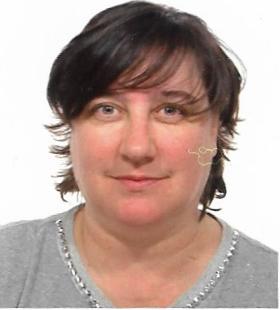
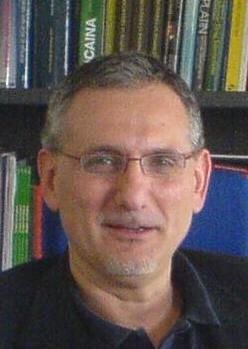 m.mussner@virgilio.it
loredana.pancheri@univr.it
m.mussner@virgilio.it
loredana.pancheri@univr.it
 sara.pilotto@univr.it
 0471067355


 luisa.valer@claudiana.bz.it
Study Plan
The Study Plan includes all modules, teaching and learning activities that each student will need to undertake during their time at the University.
Please select your Study Plan based on your enrollment year.
1° Year
| Modules | Credits | TAF | SSD |
|---|
Professional Laboratories (1st year)
2° Year activated in the A.Y. 2019/2020
| Modules | Credits | TAF | SSD |
|---|
Professional Laboratories (2nd year)
3° Year activated in the A.Y. 2020/2021
| Modules | Credits | TAF | SSD |
|---|
Professional Laboratories (3rd year)
| Modules | Credits | TAF | SSD |
|---|
Professional Laboratories (1st year)
| Modules | Credits | TAF | SSD |
|---|
Professional Laboratories (2nd year)
| Modules | Credits | TAF | SSD |
|---|
Professional Laboratories (3rd year)
Legend | Type of training activity (TTA)
TAF (Type of Educational Activity) All courses and activities are classified into different types of educational activities, indicated by a letter.
Professional Laboratories (2nd year) [Gruppo 1] (2019/2020)
Teaching code
4S000105
Teacher
Coordinator
Credits
1
Language
Italian
Scientific Disciplinary Sector (SSD)
MED/45 - NURSING
Period
INF BZ - 2° anno 1° sem, INF BZ - 2° anno 2° sem
Location
BOLZANO
Learning outcomes
I laboratori professionalizzanti anticipano le esperienze di tirocinio al fine di far acquisire allo studente in contesti protetti abilità tecnico-pratiche,(con l’utilizzo di simulatori) organizzative, relazionali e di problem solving attraverso casi scritti o role-playing con operatori simulati. Tutto ciò ha anche lo scopo di ridurre l’impatto emotivo nel provarsi in situazioni reali ma anche di garantire eticità e sicurezza ai pazienti. Inoltre, il laboratorio, offre l’opportunità allo studente di allenarsi nell’ applicare i principi teorici alla pratica clinica. L’attività di laboratorio si svolge in ambienti attrezzati con piccoli gruppi di studenti guidati da un tutor o conduttore esperto ed è un requisito indispensabile per l’attività di tirocinio.
Program
safety in blood removal: recognize and set up the material for the venipuncture, perform the venipuncture: applying the tourniquet (respecting ways and times of stay), performing the antisepsis of the skin and managing the order and mode of filling of the tubes, perform a safe withdrawal: using the barrier systems, carrying out the priority and safe disposal of the needle.
APPLY IN SAFETY THE 10G: THE EXASPIRATION OF THE MEDICINAL AND THE EXECUTION OF THE S.C. AND I.M.: Vacuum a drug from a vial: with aseptic maneuver and verifying that you have pulled up the "right" dose, perform intramuscular injection: applying the 10 G and safety standards, recognizing and preparing the material, identifying the correct ventroglutea injection point (Hochstaetter technique), using the Z-track technique, injecting the drug (needle angle and speed of administration), organizing the environment in order to achieve the priority and safe disposal of the needle, perform subcutaneous injection: applying the 10 G and safety standards, recognizing and preparing the material, identifying the correct injection point (abdominal seat), injecting the drug (plica, needle angle, speed of administration), organizing the environment in order to achieve priority and safe needle disposal.
APPLY IN SAFETY THE 10G: IN THE INFUSIONAL THERAPY AND IN THE POSITIONING OF THE PERIPHERAL VENOUS CATHETER: prepare the drug to be infused: applying the 10G, ensuring the principles of asepsis and safety standards, recognizing and preparing the material, providing the filling of the infusion set, place a peripheral venous catheter: recognizing the material for the placement of the CVP, using the barrier systems and performing the anti-sepsis properly , performing the placement of the agocannula, organizing the environment in order to achieve the priority and safe disposal of the needle, connecting the infusion-line in an aseptic way and performing the washing of the CVP.
PRACTICE PRESCRIPTION READING AND CALCULATION SKILLS TO ENSURE SAFE PHARMACOLOGICAL ADMINISTRATION: Do the necessary checks to read the prescription (the 10 G) and prepare the drug, do the calculations to ensure the right posology of a correct dose during the preparation of the drug, do the calculations to determine the right flow rate (ml/h and gtt/min) and the duration of the infusion.
Examination Methods
NO EXAM IS PROVIDED
Career prospects
Module/Programme news
News for students
There you will find information, resources and services useful during your time at the University (Student’s exam record, your study plan on ESSE3, Distance Learning courses, university email account, office forms, administrative procedures, etc.). You can log into MyUnivr with your GIA login details: only in this way will you be able to receive notification of all the notices from your teachers and your secretariat via email and soon also via the Univr app.
Gestione carriere
Orario lezioni
COMUNICAZIONE DEL PRESIDENTE DEL COLLEGIO DIDATTICO
Carissime Studentesse,
Carissimi Studenti,
di seguito un promemoria relativo alle modalità di erogazione della didattica per il corso di studio in Infermieristica A.A. 2022/2023.
In ottemperanza alle linee guida della Commissione didattica di Ateneo, che prevedono una didattica improntata ad un pieno recupero delle modalità regolari di erogazione in presenza, la Commissione didattica del CdL nella seduta del 29 settembre 2022, ha deliberato il pieno ritorno all’utilizzo della didattica frontale in presenza.
Solo nei casi di comprovata positività al COVID-19, e/o in situazioni di particolare fragilità (sempre correlate alla pandemia) sarà previsto il collegamento sincrono in modalità streaming; a tal proposito ogni Docente, sulla propria pagina web, darà chiare indicazioni sulla modalità di fruizione della didattica.
La modalità asincrona (registrazioni delle lezioni) non è prevista.
Nell’augurarvi un buon Anno Accademico, vi saluto cordialmente
Prof. Paolo F Fabene
Guida ai programmi degli insegnamenti
Guida ai programmi degli insegnamenti
Documents
| Title | Info File |
|---|---|
 Guida ai programmi degli insegnamenti
|
pdf, it, 1594 KB, 12/12/22 |
|
Guida ai programmi degli insegnamenti - inglese
|
pdf, it, 1310 KB, 02/09/21 |
Linee guida per riconoscimento cfu
Lo studente che intende chiedere il riconoscimento di moduli o insegnamenti pregressi dovrà presentare domanda, entro il 30 novembre dell’anno accademico in corso, seguendo le indicazioni indicate al link seguente: https://www.univr.it/it/i-nostri-servizi/segreterie-studenti/gestione-carriere-studenti-medicina-e-chirurgia/riconoscimento-crediti-acquisiti-da-una-carriera-pregressa-medicina
Documents
| Title | Info File |
|---|---|
|
linee guida per riconoscimento cfu
|
pdf, it, 295 KB, 09/11/21 |
Student login and resources
Attività didattiche regime part-time
Modalità di richiesta
La domanda di iscrizione part-time può essere presentata all'inizio di ogni anno accademico e comunque entro il 30 novembre di ogni anno. Entro lo stesso termine, se necessario, lo studente potrà richiedere di tornare al regime full-time. Al link seguente la pagina del servizio https://www.univr.it/it/i-nostri-servizi/segreterie-studenti/flessibilita-nella-frequenza-dei-corsi/possibilita-di-iscrizione-part-time-e-ripristino-full-time
Una volta inviata la domanda, lo studente concorda in via preventiva con il Coordinatore della didattica professionale (CDP), il piano di studi che intende perseguire nel periodo di part-time compilando il modulo in allegato
Documents
| Title | Info File |
|---|---|
 Modulo piano di studi part-time da concordare con CDP
|
octet-stream, it, 1309 KB, 21/10/22 |
Graduation
Documents
| Title | Info File |
|---|---|
|
Avviso date laurea 2^ sessione A.A. 2022/2023
|
pdf, it, 242 KB, 19/01/24 |
|
Calendario discussione tesi - Commissione n. 1
|
pdf, it, 80 KB, 06/04/24 |
|
Calendario discussione tesi - Commissione n. 2
|
pdf, it, 43 KB, 06/04/24 |
|
Calendario discussione tesi - Commissione n. 3
|
pdf, it, 44 KB, 09/04/24 |
|
ESITI ESAME DI STATO 6/04/24 - COMM. 1
|
pdf, it, 148 KB, 06/04/24 |
|
ESITI ESAME DI STATO 6/04/24 - COMM. 2
|
pdf, it, 108 KB, 06/04/24 |
|
ESITI ESAME DI STATO 6/04/24 - COMM. 3
|
pdf, it, 115 KB, 06/04/24 |
|
Indicazioni metodologiche per l'elaborazione della tesi
|
pdf, it, 1487 KB, 18/02/22 |
|
Indicazioni prova pratica 06/04/2024
|
pdf, it, 437 KB, 22/03/24 |
|
Mappa entrate Istituti Biologici - esame di stato 06/04/2024
|
pdf, it, 957 KB, 22/03/24 |
|
Scadenziario 2^ sessione A.A. 2022/2023
|
pdf, it, 424 KB, 19/01/24 |
