Studying at the University of Verona
Here you can find information on the organisational aspects of the Programme, lecture timetables, learning activities and useful contact details for your time at the University, from enrolment to graduation.
Academic calendar
The academic calendar shows the deadlines and scheduled events that are relevant to students, teaching and technical-administrative staff of the University. Public holidays and University closures are also indicated. The academic year normally begins on 1 October each year and ends on 30 September of the following year.
Course calendar
The Academic Calendar sets out the degree programme lecture and exam timetables, as well as the relevant university closure dates..
| Period | From | To |
|---|---|---|
| FISIO ROV 2^ ANNO - 1^ SEMESTRE | Oct 1, 2014 | Nov 28, 2014 |
| FISIO ROV 1^ ANNO - 1^ SEMESTRE | Oct 6, 2014 | Dec 16, 2014 |
| FISIO ROV 3^ ANNO - 1^ SEMESTRE | Nov 6, 2014 | Jan 9, 2015 |
| FISIO ROV 1^ ANNO - 2^ SEMESTRE | Mar 2, 2015 | Apr 30, 2015 |
| FISIO ROV 3^ ANNO - 2^ SEMESTRE | Mar 18, 2015 | May 15, 2015 |
| FISIO ROV 2^ ANNO - 2^ SEMESTRE | Mar 23, 2015 | May 15, 2015 |
| Session | From | To |
|---|---|---|
| FISIO ROV sessione invernale 1° anno | Jan 7, 2015 | Jan 30, 2015 |
| FISIO ROV sessione invernale 2° anno | Jan 26, 2015 | Feb 20, 2015 |
| FISIO ROV sessione invernale 3° anno | Feb 19, 2015 | Mar 17, 2015 |
| FISIO ROV sessione estiva 3° anno | May 25, 2015 | Jun 19, 2015 |
| FISIO ROV sessione estiva 1° anno | Jun 29, 2015 | Jul 31, 2015 |
| FISIO ROV sessione estiva 2° anno | Jul 13, 2015 | Jul 31, 2015 |
| FISIO ROV sessione autunnale | Sep 1, 2015 | Sep 30, 2015 |
| Session | From | To |
|---|---|---|
| Sessione autunnale | Nov 1, 2015 | Dec 31, 2015 |
| Sessione primaverile | Mar 1, 2016 | Apr 30, 2016 |
| Period | From | To |
|---|---|---|
| Ognissanti | Nov 1, 2014 | Nov 1, 2014 |
| Festa dell'immacolata | Dec 8, 2014 | Dec 8, 2014 |
| VACANZE DI NATALE | Dec 22, 2014 | Jan 6, 2015 |
| Vacanze di Pasqua | Apr 2, 2015 | Apr 7, 2015 |
| Festa della Liberazione | Apr 25, 2015 | Apr 25, 2015 |
| Festa dei Lavoratori | May 1, 2015 | May 1, 2015 |
| Festa della Repubblica | Jun 2, 2015 | Jun 2, 2015 |
| Festa S. Patrono -ROV- | Aug 5, 2015 | Aug 5, 2015 |
| Description | Period | From | To |
|---|---|---|---|
| FISIO ROV 3^ ANNO - 1^ SEMESTRE (1° ESPERIENZA) | FISIO ROV 3^ ANNO - 1^ SEMESTRE (1° ESPERIENZA) | Oct 6, 2014 | Nov 5, 2014 |
| FISIO ROV 2^ ANNO - 1^ SEMESTRE (1° ESPERIENZA) | FISIO ROV 2^ ANNO - 1^ SEMESTRE (1° ESPERIENZA) | Dec 1, 2014 | Jan 16, 2015 |
| FISIO ROV 3^ ANNO - 1^ SEMESTRE (2° ESPERIENZA) | FISIO ROV 3^ ANNO - 1^ SEMESTRE (2° ESPERIENZA) | Jan 19, 2015 | Feb 18, 2015 |
| FISIO ROV 1^ ANNO - 1^ SEMESTRE | FISIO ROV 1^ ANNO - 1^ SEMESTRE | Feb 2, 2015 | Feb 27, 2015 |
| FISIO ROV 2^ ANNO - 1^ SEMESTRE (2° ESPERIENZA) | FISIO ROV 2^ ANNO - 1^ SEMESTRE (2° ESPERIENZA) | Feb 23, 2015 | Mar 20, 2015 |
| FISIO ROV 1^ ANNO - 2^ SEMESTRE | FISIO ROV 1^ ANNO - 2^ SEMESTRE | May 4, 2015 | Jun 19, 2015 |
| FISIO ROV 2^ ANNO - 2^ SEMESTRE | FISIO ROV 2^ ANNO - 2^ SEMESTRE | May 25, 2015 | Jul 3, 2015 |
| FISIO ROV 3^ ANNO - 2^ SEMESTRE (1° ESPERIENZA) | FISIO ROV 3^ ANNO - 2^ SEMESTRE (1° ESPERIENZA) | Jun 22, 2015 | Jul 28, 2015 |
| FISIO ROV 3^ ANNO - 2^ SEMESTRE (2° ESPERIENZA) | FISIO ROV 3^ ANNO - 2^ SEMESTRE (2° ESPERIENZA) | Sep 2, 2015 | Sep 30, 2015 |
Exam calendar
Exam dates and rounds are managed by the relevant Medicine Teaching and Student Services Unit.
To view all the exam sessions available, please use the Exam dashboard on ESSE3.
If you forgot your login details or have problems logging in, please contact the relevant IT HelpDesk, or check the login details recovery web page.
Should you have any doubts or questions, please check the Enrollment FAQs
Academic staff
 renzo.antolini@unitn.it
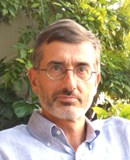
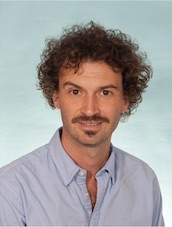
 manuela.cappuccini@apss.tn.it
cembrani@apss.tn.it
manuela.cappuccini@apss.tn.it
cembrani@apss.tn.it
Concato Davide

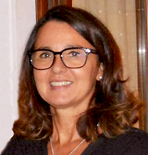
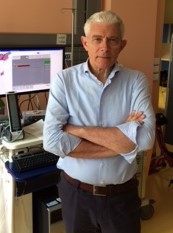
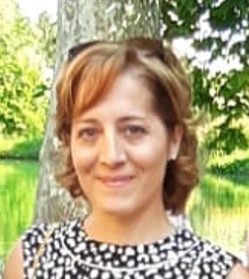
Francesconi Denis

 0461 515402

Ghirotto Luca
luca.ghirotto@univr.it
grisenti@science.unitn.it


 pamela.narduzzi@apss.tn.it
Raffaeta' Roberta


Study Plan
The Study Plan includes all modules, teaching and learning activities that each student will need to undertake during their time at the University.
Please select your Study Plan based on your enrollment year.
1° Year
| Modules | Credits | TAF | SSD |
|---|
2° Year activated in the A.Y. 2015/2016
| Modules | Credits | TAF | SSD |
|---|
3° Year activated in the A.Y. 2016/2017
| Modules | Credits | TAF | SSD |
|---|
| Modules | Credits | TAF | SSD |
|---|
| Modules | Credits | TAF | SSD |
|---|
| Modules | Credits | TAF | SSD |
|---|
Legend | Type of training activity (TTA)
TAF (Type of Educational Activity) All courses and activities are classified into different types of educational activities, indicated by a letter.
Scientific English (2014/2015)
Teaching code
4S01572
Teacher
Coordinator
Credits
3
Language
Italian
Scientific Disciplinary Sector (SSD)
L-LIN/12 - LANGUAGE AND TRANSLATION - ENGLISH
Period
FISIO ROV 1^ ANNO - 1^ SEMESTRE, FISIO ROV 1^ ANNO - 2^ SEMESTRE
Learning outcomes
• Introduction to the human anatomy in English.
• Knowledge of lexical items used in the field of physiotherapy.
• Consolidation of grammatical functions and forms applied to healthcare professional-patient interaction
Program
The programme focuses particularly on teacher-student interaction in order to stimulate the use of specialized English in the field of physiotherapy. The teaching material is based on that provided throughout the course by the teacher, from which students must integrate their own learning. Activities include text analysis, using soft skills, and time management.
Examination Methods
The exam is structured as follows: the oral exam comprises a power point group presentation of a case study assigned by the teacher. Marks are given on an individual performance basis.
Written exam: dictation, reading comprehension with closed multiple-choice questions, and gapfill language in use exercise related to specfic lexis and grammar functions.
Career prospects
Module/Programme news
News for students
There you will find information, resources and services useful during your time at the University (Student’s exam record, your study plan on ESSE3, Distance Learning courses, university email account, office forms, administrative procedures, etc.). You can log into MyUnivr with your GIA login details: only in this way will you be able to receive notification of all the notices from your teachers and your secretariat via email and soon also via the Univr app.
Graduation
Documents
| Title | Info File |
|---|---|
 Calendario discussione tesi - 2 sessione A.A. 22-23
|
pdf, it, 367 KB, 19/02/24 |
|
Format Copertina Tesi_Revisione2023
|
pdf, it, 142 KB, 19/01/24 |
|
Guida Stesura Tesi_Revisione2023
|
pdf, it, 862 KB, 19/01/24 |
|
Risultati esame di stato 25.03.24
|
pdf, it, 273 KB, 25/03/24 |
Gestione carriere
Orario lezioni
Documents
| Title | Info File |
|---|---|
|
Avviso per le matricole a.a. 23-24
|
pdf, it, 525 KB, 22/09/23 |
|
Orario 1° anno 2° semestre a.a. 23-24 agg. 17/04
|
pdf, it, 39 KB, 17/04/24 |
|
Orario 2° anno 2° semestre a.a. 23-24 agg.17/04
|
pdf, it, 33 KB, 17/04/24 |
|
Servizi agli studenti - Polo Universitario Prof.ni Sanitarie - agg. feb 24
|
pdf, it, 1453 KB, 07/02/24 |
Student login and resources
Attività Seminariali/a scelta dello studente
Attività Seminariali/a scelta dello studente
