Studiare
In questa sezione è possibile reperire le informazioni riguardanti l'organizzazione pratica del corso, lo svolgimento delle attività didattiche, le opportunità formative e i contatti utili durante tutto il percorso di studi, fino al conseguimento del titolo finale.
Calendario accademico
Il calendario accademico riporta le scadenze, gli adempimenti e i periodi rilevanti per la componente studentesca, personale docente e personale dell'Università. Sono inoltre indicate le festività e le chiusure ufficiali dell'Ateneo.
L’anno accademico inizia il 1° ottobre e termina il 30 settembre dell'anno successivo.
Calendario didattico
Il calendario didattico indica i periodi di svolgimento delle attività formative, di sessioni d'esami, di laurea e di chiusura per le festività.
| Periodo | Dal | Al |
|---|---|---|
| 1° semestre lezioni Trento | 16-set-2024 | 20-dic-2024 |
| CuCi 1 A | 23-set-2024 | 31-ott-2024 |
| Primo semestre QPA | 30-set-2024 | 20-dic-2024 |
| CuCi 1 B | 11-nov-2024 | 21-dic-2024 |
| CuCi 2 A | 17-feb-2025 | 29-mar-2025 |
| 2° semestre lezioni Trento | 17-feb-2025 | 30-mag-2025 |
| Secondo semestre QPA | 24-feb-2025 | 23-mag-2025 |
| CuCi 2 B | 7-apr-2025 | 31-mag-2025 |
| Sessione | Dal | Al |
|---|---|---|
| Sessione invernale | 7-gen-2025 | 15-feb-2025 |
| Sessione estiva | 3-giu-2025 | 26-lug-2025 |
| Sessione autunnale | 25-ago-2025 | 20-set-2025 |
| Sessione | Dal | Al |
|---|---|---|
| Sessione straordinaria a.a. 2023/24 | 31-mar-2025 | 5-apr-2025 |
| Sessione estiva | 7-lug-2025 | 12-lug-2025 |
| Sessione autunnale | 3-nov-2025 | 8-nov-2025 |
| Sessione straordinaria a.a. 2024/25 | 27-mar-2026 | 2-apr-2026 |
| Periodo | Dal | Al |
|---|---|---|
| Chiusura palazzi | 2-nov-2024 | 2-nov-2024 |
| Vacanze di Natale | 23-dic-2024 | 6-gen-2025 |
| Vacanze di Pasqua | 19-apr-2025 | 21-apr-2025 |
| Festa della Liberazione | 25-apr-2025 | 25-apr-2025 |
| Festa dei lavoratori | 1-mag-2025 | 1-mag-2025 |
| Festa del Santo Patrono | 21-mag-2025 | 21-mag-2025 |
| Vacanze estive | 11-ago-2025 | 16-ago-2025 |
Calendario esami
Gli appelli d'esame sono gestiti dalla Unità Operativa Segreteria Corsi di Studio Culture e Civiltà.
Per consultazione e iscrizione agli appelli d'esame visita il sistema ESSE3.
Per problemi inerenti allo smarrimento della password di accesso ai servizi on-line si prega di rivolgersi al supporto informatico della Scuola o al servizio recupero credenziali
Per dubbi o domande leggi le risposte alle domande più frequenti F.A.Q. Iscrizione Esami
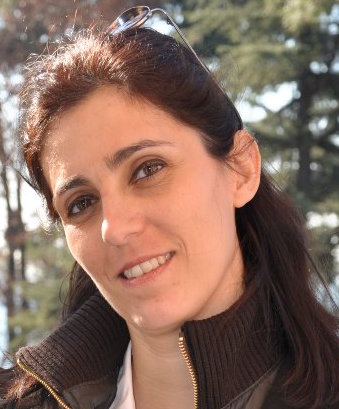
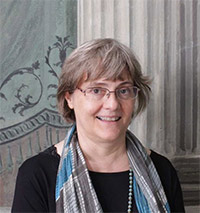
Docenti

 +39 045802 8351
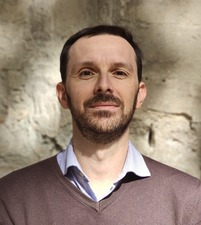
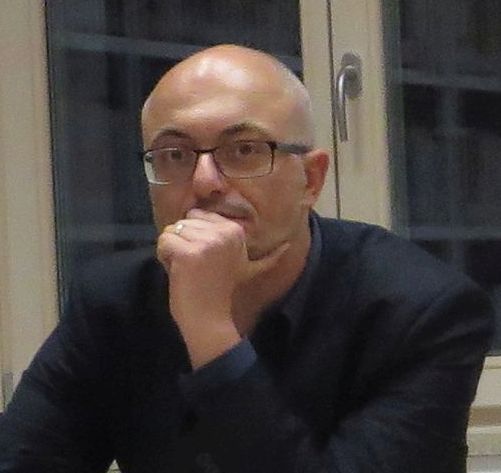
 giovanni.bernardini@univr.it

 giovanni.ciappelli@univr.it










 giorgia.proietti@unitn.it






Piano Didattico
Il piano didattico è l'elenco degli insegnamenti e delle altre attività formative che devono essere sostenute nel corso della propria carriera universitaria.
Selezionare il piano didattico in base all'anno accademico di iscrizione.
1° Anno
| Insegnamenti | Crediti | TAF | SSD |
|---|
Storia contemporanea I - LM
Storia della scienza e delle tecniche - LM
Storia medievale, del cristianesimo e delle chiese
Storia moderna I - LM (Antropologia storica)
Un insegnamento a sceltaUn insegnamento a scelta Letteratura latina medievale II
Storia dell'arte medievale (m)
Un insegnamento a sceltaStoria delle dottrine politiche I
Applicazioni informatiche alla ricerca storica
2° Anno Sarà attivato nell'A.A. 2025/2026
| Insegnamenti | Crediti | TAF | SSD |
|---|
| Insegnamenti | Crediti | TAF | SSD |
|---|
Storia contemporanea I - LM
Storia della scienza e delle tecniche - LM
Storia medievale, del cristianesimo e delle chiese
Storia moderna I - LM (Antropologia storica)
Un insegnamento a sceltaUn insegnamento a scelta Letteratura latina medievale II
Storia dell'arte medievale (m)
Un insegnamento a sceltaStoria delle dottrine politiche I
Applicazioni informatiche alla ricerca storica
| Insegnamenti | Crediti | TAF | SSD |
|---|
| Insegnamenti | Crediti | TAF | SSD |
|---|
Legenda | Tipo Attività Formativa (TAF)
TAF (Tipologia Attività Formativa) Tutti gli insegnamenti e le attività sono classificate in diversi tipi di attività formativa, indicati da una lettera.
Paleografia e archivistica - LM (2024/2025)
Codice insegnamento
4S001220
Crediti
12
Coordinatore
Lingua di erogazione
Italiano
Offerto anche nei corsi:
- Paleografia (m) del corso Laurea magistrale in Storia delle Arti
- Archivistica (m) del corso Laurea magistrale in Storia delle Arti
- Paleografia latina (m) del corso Laurea magistrale in Tradizione e interpretazione dei testi letterari
- Archivistica, bibliografia e biblioteconomia del corso Laurea magistrale in Tradizione e interpretazione dei testi letterari
- Archivistica (m) del corso Laurea magistrale in Tradizione e interpretazione dei testi letterari
Corsi Singoli
Autorizzato
L'insegnamento è organizzato come segue:
Obiettivi di apprendimento
Il modulo intende mettere i frequentanti in condizione di datare, leggere, interpretare ed esaminarle principali forme di testimonianze manoscritte in alfabeto latino (librarie, documentarie, epigrafiche) dell’età classica, del tardo antico e dell’alto Medioevo. Approfondire la conoscenza di alcune categorie di archivi e/o di tipologie documentarie in rapporto all’abiente di formazione, agli assetti burocratico-istituzionali e al quadro normativo di riferimento.
Bibliografia
Tipologia di Attività formativa D e F
Insegnamenti non ancora inseriti
Prospettive
Avvisi degli insegnamenti e del corso di studio
Per la comunità studentesca
Se sei già iscritta/o a un corso di studio, puoi consultare tutti gli avvisi relativi al tuo corso di studi nella tua area riservata MyUnivr.
In questo portale potrai visualizzare informazioni, risorse e servizi utili che riguardano la tua carriera universitaria (libretto online, gestione della carriera Esse3, corsi e-learning, email istituzionale, modulistica di segreteria, procedure amministrative, ecc.).
Entra in MyUnivr con le tue credenziali GIA: solo così potrai ricevere notifica di tutti gli avvisi dei tuoi docenti e della tua segreteria via mail e anche tramite l'app Univr.
Esercitazioni Linguistiche CLA
Prova finale
La prova finale consiste nella discussione di un elaborato originale su di un tema concordato con un docente e redatto sotto la sua guida, su tematiche relative al corso di studi. É inoltre prevista la figura del correlatore. A tale prova sono attribuiti 18 CFU.
La funzione della prova è quella di mettere il laureato in grado di esporre in modo articolato i risultati di ricerche che possono riguardare qualsiasi tipologia di fonte (dai reperti archeologici, alla documentazione archivistica, bibliotecaria e letteraria, alla stessa storiografia fatta oggetto di analisi e di approfondimenti comparativi). Il laureato si abitua così ad applicare metodologie appropriate per affrontare singoli problemi (anche in sinergia con le ricerche svolte dai docenti), e a porne successivamente a confronto i risultati, arrivando ad adeguate forme di sintesi. Oltre che nell'impostazione e nello sviluppo della ricerca, viene altresì espressamente guidato a fornire un'esposizione chiara e ordinata dei suoi risultati. Su proposta del relatore, la prova finale può essere compilata e discussa in lingua inglese.
Adempimenti amministrativi e scadenze domanda di laurea
Calendari discussione e proclamazione di laurea
Elenco delle proposte di tesi
| Proposte di tesi | Area di ricerca |
|---|---|
| Ambiti di tesi | Art & Architecture - Art & Architecture |
Tutorato per studenti
Tutti i docenti del Corso di Studio possono fornire una forma di tutorato volta ad orientare e assistere gli studenti lungo tutto il corso degli studi.Area riservata studenti
Manifesto degli studi
Manifesto degli studi del CdLM interateneo in Scienze storiche
Documenti
| Titolo | Info File |
|---|---|
 Manifesto Scienze storiche a.a. 2023-24 - 1° anno
|
pdf, it, 466 KB, 26/02/24 |
|
Manifesto Scienze storiche a.a. 2023-24 - 2° anno
|
pdf, it, 456 KB, 26/02/24 |
|
Manifesto Scienze storiche a.a. 2024-25
|
pdf, it, 477 KB, 17/07/24 |
Modalità e sedi di frequenza
La frequenza non è obbligatoria.
Maggiori dettagli in merito all'obbligo di frequenza vengono riportati nel Regolamento del corso di studio disponibile alla voce Regolamenti nel menu Il Corso. Anche se il regolamento non prevede un obbligo specifico, verifica le indicazioni previste dal singolo docente per ciascun insegnamento o per eventuali laboratori e/o tirocinio.
È consentita l'iscrizione a tempo parziale. Per saperne di più consulta la pagina Possibilità di iscrizione Part time.
La sede di svolgimento delle lezioni e degli esami è il Palazzo Paolo Prodi - Trento
