Studying at the University of Verona
Here you can find information on the organisational aspects of the Programme, lecture timetables, learning activities and useful contact details for your time at the University, from enrolment to graduation.
Academic calendar
The academic calendar shows the deadlines and scheduled events that are relevant to students, teaching and technical-administrative staff of the University. Public holidays and University closures are also indicated. The academic year normally begins on 1 October each year and ends on 30 September of the following year.
Course calendar
The Academic Calendar sets out the degree programme lecture and exam timetables, as well as the relevant university closure dates..
| Period | From | To |
|---|---|---|
| Sem. 1A | Sep 26, 2022 | Nov 5, 2022 |
| Sem. 1B | Nov 14, 2022 | Dec 23, 2022 |
| Sem. 2A | Feb 13, 2023 | Mar 30, 2023 |
| Sem. 2B | Apr 11, 2023 | May 27, 2023 |
| Session | From | To |
|---|---|---|
| Sessione Invernale | Jan 9, 2023 | Feb 11, 2023 |
| Sessione Estiva | Jun 5, 2023 | Jul 22, 2023 |
| Sessione Autunnale | Aug 28, 2023 | Nov 23, 2023 |
| Sessione straordinaria invernale | Jan 8, 2024 | Feb 17, 2024 |
| Session | From | To |
|---|---|---|
| Sessione Estiva | Jul 10, 2023 | Jul 15, 2023 |
| Sessione Autunnale | Nov 6, 2023 | Nov 11, 2023 |
| Sessione invernale | Apr 2, 2024 | Apr 8, 2024 |
| Period | From | To |
|---|---|---|
| Festa di Ognissanti | Nov 1, 2022 | Nov 1, 2022 |
| Festività Della Immacolata Concezione | Dec 8, 2022 | Dec 8, 2022 |
| Vacanze natalizie | Dec 24, 2022 | Jan 8, 2023 |
| Vacanze di Pasqua | Apr 7, 2023 | Apr 10, 2023 |
| Festa della Liberazione | Apr 25, 2023 | Apr 25, 2023 |
| Festa del lavoro | May 1, 2023 | May 1, 2023 |
| Festa del Santo Patrono | May 21, 2023 | May 21, 2023 |
| Festa della Repubblica | Jun 2, 2023 | Jun 2, 2023 |
| Chiusura estiva | Aug 14, 2023 | Aug 19, 2023 |
Exam calendar
Exam dates and rounds are managed by the relevant Humanistic Studies Teaching and Student Services Unit.
To view all the exam sessions available, please use the Exam dashboard on ESSE3.
If you forgot your login details or have problems logging in, please contact the relevant IT HelpDesk, or check the login details recovery web page.
Should you have any doubts or questions, please check the Enrollment FAQs
Academic staff

 045 8028383



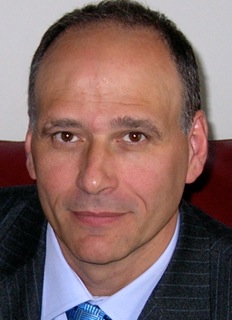



 donato.desilvestri@univr.it





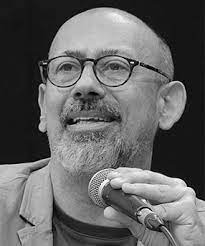




 ilaria.mussini@univr.it


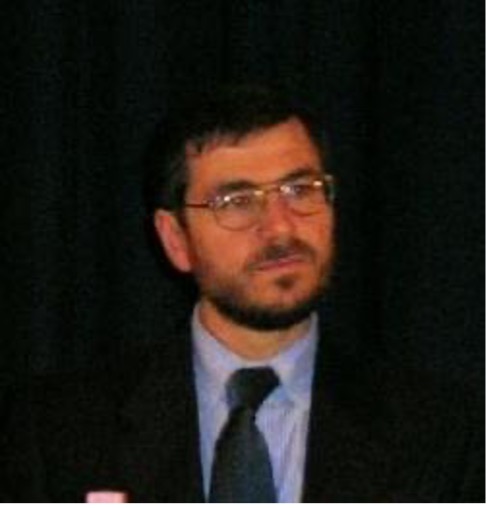




 barbara.zoccatelli@unitn.it
Study Plan
The Study Plan includes all modules, teaching and learning activities that each student will need to undertake during their time at the University.
Please select your Study Plan based on your enrollment year.
1° Year
| Modules | Credits | TAF | SSD |
|---|
2° Year activated in the A.Y. 2023/2024
| Modules | Credits | TAF | SSD |
|---|
Indirect internship for childhood
- Indirect internship for childhood [Gruppo 1]
- Indirect internship for childhood [Gruppo 2]
- Indirect internship for childhood [Gruppo 3]
- Indirect internship for childhood [Gruppo 4]
- Indirect internship for childhood [Gruppo 5]
- Indirect internship for childhood [Gruppo 6]
- Indirect internship for childhood [Gruppo 7]
3° Year It will be activated in the A.Y. 2024/2025
| Modules | Credits | TAF | SSD |
|---|
| Modules | Credits | TAF | SSD |
|---|
| Modules | Credits | TAF | SSD |
|---|
Indirect internship for childhood
- Indirect internship for childhood [Gruppo 1]
- Indirect internship for childhood [Gruppo 2]
- Indirect internship for childhood [Gruppo 3]
- Indirect internship for childhood [Gruppo 4]
- Indirect internship for childhood [Gruppo 5]
- Indirect internship for childhood [Gruppo 6]
- Indirect internship for childhood [Gruppo 7]
| Modules | Credits | TAF | SSD |
|---|
| Modules | Credits | TAF | SSD |
|---|
Legend | Type of training activity (TTA)
TAF (Type of Educational Activity) All courses and activities are classified into different types of educational activities, indicated by a letter.
Special education for childhood educational services (2024/2025)
Teaching code
4S008134
Teacher
Not yet assigned
Credits
9
Language
Italian
Scientific Disciplinary Sector (SSD)
M-PED/03 - METHODOLOGIES OF TEACHING AND SPECIAL EDUCATION
Period
Sem. 1A, Sem. 1B
Courses Single
Authorized
Learning objectives
Knowledge and understanding 1. Knowledge and understanding the field of study of special pedagogy, its specific language, the fundamental theoretical and methodological references and the major international documents on the subject of disability. 2. Knowledge of the characteristics of special educational action and how to design a special educational intervention, knowing how to distinguish between different types of disabilities, different forms of special educational need in childhood. 3. Knowledge the scientific paradigms of reference of the pedagogical-special research, linked to educational work in the first years of life. Applying knowledge and understanding 1. Knowing how to act in accordance with the professional profile of the educator in childhood contexts that provide educational services to people with disabilities. 2. Be able to find relevant and effective sources with respect to the educational problems of people with disabilities and know how to design educational interventions suitable to respond to their special educational needs. 3. Knowing how to implement the educational approach, appropriate and functional to the different types of childhood disabilities.
Type D and Type F activities
I 12 crediti liberi a scelta dello studente (ambito “D”) hanno lo scopo di offrire allo studente la possibilità di personalizzare il proprio percorso formativo permettendo di approfondire uno o più argomenti di particolare interesse legati al proprio percorso accademico.
Per garantire questo fine, si invitano gli studenti a rispettare le seguenti indicazioni per il completamento di tale ambito:
- almeno un’attività formativa erogata come esame universitario (con relativo voto in trentesimi) - è possibile scegliere fra i vari insegnamenti del proprio CdS non sostenuti in precedenza, anche quelli dell'altro curriculum, fra i vari insegnamenti degli altri CdS di I° livello afferenti al Dipartimento di Scienze Umane ed anche fra i vari insegnamenti dei CdS di I° livello ad accesso libero erogati dall'Ateneo di Verona;
- massimo 6 cfu relativi a competenze linguistiche (oltre a quelli previsti dal PdS);
- massimo 6 cfu relativi a competenze informatiche (oltre a quelli previsti dal PdS);
- massimo 4 cfu di tirocinio, (oltre a quelli previsti dal PdS);
- massimo 6 cfu di attività laboratoriale/esercitazioni (compresi quelli previsti nei PdS per l’ambito) di regola viene riconosciuto 1 cfu ogni 25 ore di attività;
- massimo 6 cfu di attività seminariale/convegni/cicli di incontri/formative in genere (sia accreditata dal Dipartimento di Scienze Umane che extrauniversitaria) – di regola viene riconosciuto 1 cfu ogni 8 ore di partecipazione e/o 2 giornate salvo diversamente deliberato;
- non vengono valutate attività svolte in Erasmus non inserite nei Learning Agreement.
Altre informazioni sono reperibili nella Guida per i crediti liberi che è possibile trovare qui.
COMPETENZE TRASVERSALI
Scopri i percorsi formativi promossi dal Teaching and learning centre dell'Ateneo, destinati agli studenti iscritti ai corsi di laurea, volti alla promozione delle competenze trasversali:
https://talc.univr.it/it/competenze-trasversali
| years | Modules | TAF | Teacher |
|---|---|---|---|
| 1° 2° 3° | Conflict. Recognize, prevent, manage | D |
Paola Dal Toso
(Coordinator)
|
| 1° 2° 3° | EXPOSED BODIES - Diotima seminar | D |
Rosanna Cima
(Coordinator)
|
| 1° 2° 3° | Il teatro dell'oppresso | D |
Paola Dusi
(Coordinator)
|
| 1° 2° 3° | If bees are few. Pedagogy of movement | D |
Rosanna Cima
(Coordinator)
|
| 1° 2° 3° | Le 16 attitudini per una vita felice | D |
Paola Dusi
(Coordinator)
|
| 1° 2° 3° | Movement medicine | D |
Paola Dusi
(Coordinator)
|
| 1° 2° 3° | X National Conference of the Italian Society of Applied Anthropology (SIAA) “Rethinking Sustainability through Applied Anthropology” | D |
Stefania Pontrandolfo
(Coordinator)
|
| years | Modules | TAF | Teacher |
|---|---|---|---|
| 1° 2° 3° | Conflict. Recognize, prevent, manage | D |
Paola Dal Toso
(Coordinator)
|
| 1° 2° 3° | X National Conference of the Italian Society of Applied Anthropology (SIAA) “Rethinking Sustainability through Applied Anthropology” | D |
Stefania Pontrandolfo
(Coordinator)
|
| years | Modules | TAF | Teacher |
|---|---|---|---|
| 1° 2° 3° | Gnoseology and Metaphysics Workshop | D |
Davide Poggi
(Coordinator)
|
| 1° 2° 3° | OMeGA - Horizons, Models and Assisted Parenting | D |
Alessandra Cordiano
(Coordinator)
|
| 1° 2° 3° | Se le api sono poche-pedagogia del movimento (ed. 2023) | D |
Rosanna Cima
(Coordinator)
|
| years | Modules | TAF | Teacher |
|---|---|---|---|
| 1° 2° 3° | Gnoseology and Metaphysics Workshop | D |
Davide Poggi
(Coordinator)
|
| 1° 2° 3° | OMeGA - Horizons, Models and Assisted Parenting | D |
Alessandra Cordiano
(Coordinator)
|
| 1° 2° 3° | University and DSA: Methods and strategies for studying and studying at university | D |
Ivan Traina
(Coordinator)
|
Career prospects
Module/Programme news
News for students
There you will find information, resources and services useful during your time at the University (Student’s exam record, your study plan on ESSE3, Distance Learning courses, university email account, office forms, administrative procedures, etc.). You can log into MyUnivr with your GIA login details: only in this way will you be able to receive notification of all the notices from your teachers and your secretariat via email and soon also via the Univr app.
Graduation
Documents
| Title | Info File |
|---|---|
 Adempimenti amministrativi domanda di laurea Aprile 2024 - a.a. 2022/2023
|
pdf, it, 99 KB, 13/10/23 |
|
Adempimenti amministrativi domanda di laurea Luglio 2024-a.a. 2023/2024
|
pdf, it, 101 KB, 10/04/24 |
List of theses and work experience proposals
| theses proposals | Research area |
|---|---|
| Ambienti e contesti di lavoro con minori | Various topics |
| Analisi dei personal network di sostegno | Various topics |
| comunicazioni relative alla tesi | Various topics |
| Il teatro come contesto educativo | Various topics |
| I processi di globalizzazione culturale nella società contemporanea | Various topics |
| La social network analysis applicata allo studio dei contesti educativi | Various topics |
| L'educatore ed i progetti europei | Various topics |
| L'impegno associativo in ambito educativo | Various topics |
| Politiche sociali e contesti educativi | Various topics |
| Progetti di collaborazione con le istituzioni scolastiche | Various topics |
| PROPOSTE TESI AMBITO GEOGRAFICO | Various topics |
| Scuola e capitale sociale | Various topics |
Linguistic training CLA
Gestione carriere
Student mentoring
Practical information for students
Documents
| Title | Info File |
|---|---|
|
1 - Guida per lo studente - AGGIORNAMENTO 2022
|
pdf, it, 325 KB, 02/05/23 |
|
2 - Guida per lo studente - AGGIORNAMENTO 2020
|
pdf, it, 212 KB, 02/05/23 |
|
3 - Guida per lo studente - AGGIORNAMENTO 2013
|
pdf, it, 131 KB, 02/05/23 |
Stage e Tirocini
Le ulteriori attività formative (crediti F) sono interamente coperte dall’attività di tirocinio “indiretto” (1 cfu) da svolgersi nel secondo anno e di tirocinio “diretto” (14 cfu) da svolgersi presso enti convenzionati per un numero complessivo di 15 cfu (375 ore). Chi è iscritta/o al curriculum servizi per l’infanzia è tenuta/o a svolgere il tirocinio presso nidi e servizi per la prima infanzia per almeno il 50% delle ore.
Il tirocinio professionalizzante (375 ore, pari a 15 cfu), è obbligatorio sia nella sua forma diretta che indiretta.
Il tirocinio indiretto, della durata di 25 ore a frequenza obbligatoria al 75%, si svolge in Università per 20 ore e in forma di lavoro individuale per 5 ore e consiste in un accompagnamento iniziale delle/degli studenti da parte dei tutor attraverso un percorso formativo dotandoli di conoscenze e strumenti adeguati a osservare, comprendere e rielaborare criticamente l’esperienza di tirocinio nei servizi educativi e ad affrontare il tirocinio negli enti con metodo e consapevolezza. Il percorso, da attuare in gruppi da 20-25 persone sotto la supervisione di un tutor, risponde alle esigenze costantemente espresse sia dalle/dagli studenti stessi sia dalle parti sociali che dai referenti degli enti convenzionati.
Il tirocinio diretto si propone di raggiungere i seguenti obiettivi:
- fare esperienza diretta di attività professionali, che richiedono un livello di preparazione al lavoro educativo;
- approfondire in particolare il rapporto tra preparazione teorica, acquisita mediante lo studio, ed esperienza pratica, tra mondo del sapere e della cultura e mondo del lavoro e delle professioni;
Al termine del tirocinio diretto lo studente deve presentare una relazione scritta, nella modalità concordata con il tutor accademico.
Nuove Linee Guida per il tirocinio di Scienze dell'educazione.
- Tutte le informazioni in merito agli stage per futuri studenti sono disponibili alla pagina Stage e tirocini.
- Tutte le informazioni in merito agli stage per studenti iscritti sono pubblicate in MyUnivr - come fare per - stage e tirocini.
- Tutte le informazioni in merito agli stage per le aziende sono disponili alla pagina Stage e tirocini per azienze.
Documents
| Title | Info File |
|---|---|
|
Aggiornamenti del 18 marzo 2021 - svolgimento tirocinio per studenti in zona rossa
|
pdf, it, 302 KB, 16/07/21 |
