Studying at the University of Verona
Here you can find information on the organisational aspects of the Programme, lecture timetables, learning activities and useful contact details for your time at the University, from enrolment to graduation.
Academic calendar
The academic calendar shows the deadlines and scheduled events that are relevant to students, teaching and technical-administrative staff of the University. Public holidays and University closures are also indicated. The academic year normally begins on 1 October each year and ends on 30 September of the following year.
Course calendar
The Academic Calendar sets out the degree programme lecture and exam timetables, as well as the relevant university closure dates..
| Period | From | To |
|---|---|---|
| I semestre (Lingue e letterature straniere) | Sep 27, 2021 | Jan 8, 2022 |
| Annuale (Lingue e letterature straniere) | Sep 27, 2021 | May 28, 2022 |
| II semestre (Lingue e letterature straniere) | Feb 14, 2022 | May 28, 2022 |
| Session | From | To |
|---|---|---|
| ESAMI LINGUE - sessione invernale | Jan 10, 2022 | Feb 12, 2022 |
| ESAMI LINGUE - sessione estiva | May 30, 2022 | Jul 23, 2022 |
| ESAMI LINGUE - sessione autunnale | Aug 29, 2022 | Sep 24, 2022 |
| Session | From | To |
|---|---|---|
| LAUREE LINGUE - sessione autunnale (a.a. 2020-2021) | Nov 8, 2021 | Nov 13, 2021 |
| LAUREE LINGUE - sessione straordinaria (a.a. 2020-2021) | Mar 28, 2022 | Apr 2, 2022 |
| LAUREE LINGUE - sessione estiva (a.a. 2021-2022) | Jul 11, 2022 | Jul 16, 2022 |
Exam calendar
Exam dates and rounds are managed by the relevant Foreign Languages and Literatures Teaching and Student Services Unit.
To view all the exam sessions available, please use the Exam dashboard on ESSE3.
If you forgot your login details or have problems logging in, please contact the relevant IT HelpDesk, or check the login details recovery web page.
Should you have any doubts or questions, please check the Enrollment FAQs
Academic staff


 monica.antonello@univr.it

 rossella.baratta@univr.it



Borello Giuliana
giuliana.borello@univr.it
 045 802 8493
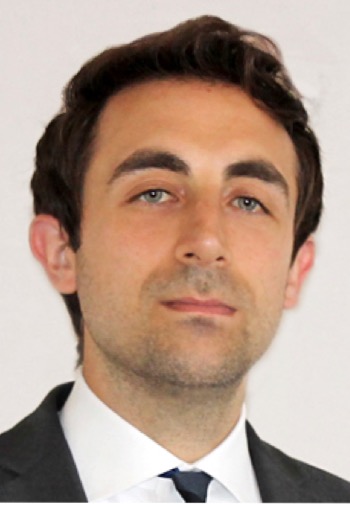 bernardo.calabrese@univr.it

 lidia.carolgerones@univr.it
 riccardo.cella@univr.it

 elisa.dallarosa@univr.it
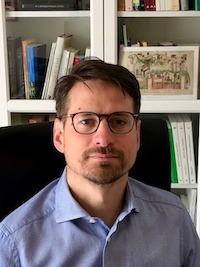

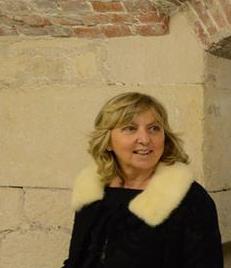








 andrea.menegotto@univr.it

 luca.pasetto@univr.it
 maurizio.pizzamiglio@univr.it

 beatrice.scappini@univr.it



Study Plan
The Study Plan includes all modules, teaching and learning activities that each student will need to undertake during their time at the University.
Please select your Study Plan based on your enrollment year.
1° Year
| Modules | Credits | TAF | SSD |
|---|
1ST FOREIGN LANGUAGE2nd FOREIGN LANGUAGEIntellectual property and competition law
Strategic management applied to international markets
Financial Statement Analysis
History of international trading
2° Year activated in the A.Y. 2022/2023
| Modules | Credits | TAF | SSD |
|---|
1ST FOREIGN LANGUAGEDigital and interactive marketing for goods and services
| Modules | Credits | TAF | SSD |
|---|
1ST FOREIGN LANGUAGE2nd FOREIGN LANGUAGEIntellectual property and competition law
Strategic management applied to international markets
Financial Statement Analysis
History of international trading
| Modules | Credits | TAF | SSD |
|---|
1ST FOREIGN LANGUAGEDigital and interactive marketing for goods and services
| Modules | Credits | TAF | SSD |
|---|
Further linguistic skillsLegend | Type of training activity (TTA)
TAF (Type of Educational Activity) All courses and activities are classified into different types of educational activities, indicated by a letter.
Type D and Type F activities
Nei piani didattici di ciascun Corso di studio è previsto l’obbligo di conseguire un certo numero di CFU di tipologia D e di tipologia F.
CFU D (attività a scelta dello studente)
I CFU D possono essere acquisiti mediante:
- insegnamenti non obbligatori nel proprio piano didattico (previa approvazione del Presidente del Collegio didattico per insegnamenti non selezionabili in autonomia)
- attività accreditate dal Collegio didattico
- competenze linguistiche (diverse o ulteriori) rispetto a quelle obbligatorie
- tirocini o stage
- TALC (competenze trasversali).
Competenze trasversali TALC
Nota bene: i corsi TALC sono riconosciuti solo come CFU D.
Il numero di CFU D va calcolato complessivamente sull’intero triennio/biennio e non è legato all'annualità.
CFU F
I CFU F sono solitamente relativi ad abilità informatiche, competenze linguistiche, stage e tirocini e ulteriori attività formative accreditate in questa tipologia dal Collegio Didattico.
Nel corso di laurea magistrale in Lingue per la promozione turistica e commerciale sono previste le seguenti tipologie:
- 6 CFU di ulteriori competenze linguistiche
- 9 CFU per stage o project work
Le attività di stage sono finalizzate a far acquisire allo studente una conoscenza diretta in settori di particolare utilità per l’inserimento nel mondo del lavoro, coerenti con il percorso di studi, e per l’acquisizione di abilità specifiche d’interesse professionale.
| years | Modules | TAF | Teacher |
|---|---|---|---|
| 1° 2° | Catalan language (elementary) | F |
Lidia Carol Gerones
(Coordinator)
|
| 1° 2° | Brasilian Portuguese language (elementary) | F |
Fabio Cavallini Bispo De Araujo
(Coordinator)
|
| years | Modules | TAF | Teacher |
|---|---|---|---|
| 1° 2° | Introduction to robotics for humanities students | D |
Paolo Fiorini
(Coordinator)
|
| years | Modules | TAF | Teacher |
|---|---|---|---|
| 1° 2° | Catalan language (post-elementary) | F |
Lidia Carol Gerones
(Coordinator)
|
To discover all the teaching activities accredited by the foreign teaching college click here
Catalan language (post-elementary) (2021/2022)
Teaching code
4S008841
Teacher
Coordinator
Credits
3
Language
Italian
Scientific Disciplinary Sector (SSD)
NN - -
Period
II semestre (Lingue e letterature straniere) dal Feb 14, 2022 al May 28, 2022.
Erasmus students
Not available

Learning outcomes
At the end of the course students will reach A2+/B1 level of the Common European Framework of Reference for Languages (CEFR) and they will be able to understand the main points of clear standard input on familiar matters regularly encountered in work, school, leisure, etc; the students will be able also to deal with most situations likely to arise while travelling in the territories where the Catalan language is spoken, produce simple connected text on topics that are familiar or of personal interest, and, finally, describe experiences and events, dreams, hopes and ambitions and briefly give reasons and explanations for opinions and plans. In addition, the student will acquire a general knowledge of contemporary Catalan culture (historical, social and linguistic context) through music: from the artistic movement of the "Nova Cançó" during the dictatorship, to the "Catalan rock" of the 90's, passing through the "normalització" lingüística " , till our days (trap, rumba, pop, etc.)
Program
The course offers a theoretical and practical study of Catalan, both from a historical point of view and from purely linguistic perspective. The study of grammar (phonetics, morphology, syntax) is seen as means to develop the capacity of understanding (written and oral forms) and expression (written and oral).
1- Fets i gent. Temps de canvis (tempi passati)
2- Fem les maletes (Possibilità, volontà e futuro. ). Rutes literàries
3- Tenir cura de la salut (Consigli e Condizioni: il condizionale e l'imperativo)
4- Feines de tota mena (Congiuntivo)
5- I si sortim? (Congiuntivo e imperativo)
Readings through music (with examples of several important socio-cultural moments from the second half of the twentieth century to ourdays): La Nova Cançó, La música moderna en català (rock, pop, rumba, trap)
In order to improve analytical and critical reflection on language, the theoretical and methodological lessons are complemented by practical activities.
Bibliography
Examination Methods
Written examination (grammatical structures, reading and listening comprehension, and composition of text) and oral test (interview in Catalan on required reading, film and / or communicative situation). In order to take the exam (written and oral) is required 80% minimum attendance of the course.
The student has to have completed and passed the examination of "Lingua catalana alfabetizzazione".
Career prospects
Module/Programme news
News for students
There you will find information, resources and services useful during your time at the University (Student’s exam record, your study plan on ESSE3, Distance Learning courses, university email account, office forms, administrative procedures, etc.). You can log into MyUnivr with your GIA login details: only in this way will you be able to receive notification of all the notices from your teachers and your secretariat via email and soon also via the Univr app.
Gestione carriere
Student login and resources
Attività accreditate D/F
Calendario didattico dettagliato
Competenze linguistiche (prima e seconda lingua)
Language skills
Compilazione del piano didattico
Corso di Lingua portoghese
Erasmus+ e altre esperienze all'estero
Linguistic training CLA
Percorso verso l'insegnamento
Una delle possibilità per gli studenti dopo il conseguimento della laurea magistrale è l’insegnamento nella scuola: l’Università degli Studi di Verona è tra gli enti accreditati dal MIUR per l'erogazione di corsi di formazione e aggiornamento e qualificazione delle competenze per insegnanti. Il percorso per diventare insegnante è legato alle seguenti condizioni:
1a CONDIZIONE
Il possesso della laurea magistrale o a ciclo unico, oppure diploma di II livello dell’alta formazione artistica, musicale e coreutica, oppure titolo equipollente o equiparato, coerente con le classi di concorso vigenti alla data di indizione del concorso; il futuro insegnante dovrà, inoltre, soddisfare i requisiti di accesso previsti per la classe di concorso scelta.
Per le classi di concorso:
- A-24 (Lingue e culture straniere negli istituti di istruzione secondaria di II grado) e
- A-25 (Lingua inglese e seconda lingua comunitaria nella scuola secondaria I primo grado)
sono previsti i seguenti requisiti di accesso (vedi l’allegato A al DM 259/2017):
1) 18 CFU nei settori scientifico disciplinari L-LIN/01 e/o L-LIN/02
2) 36 CFU della lingua di specializzazione scelta
3) 24 CFU della letteratura relativa alla lingua di specializzazione scelta.
I requisiti specifici delle classi di concorso A-24 e A-25 possono essere soddisfatti nell’ambito dei piani didattici o negli esami a scelta libera superati all’interno del percorso di studio universitario (Laurea Triennale e Magistrale), oppure attraverso l’iscrizione a corsi singoli.
Il requisito relativo alla lingua di specializzazione (2) è soddisfatto (sulla base degli esami previsti nel piano didattico) nell’ambito del percorso formativo che comprende una laurea triennale dell’area di Lingue e Letterature Straniere, seguita da una laurea magistrale della medesima area (qualsiasi Corso di Laurea triennale e magistrale dell’area di Lingue e Letterature Straniere).
Per verificare i requisiti relativi alla letteratura di specializzazione (3) e agli insegnamenti di linguistica che appartengono ai settori scientifico-disciplinari di L-LIN/01 e L-LIN/02 (1), invece, gli studenti sono invitati a consultare il proprio piano didattico per verificare il numero di CFU previsti nel percorso formativo.
2a CONDIZIONE
Il possesso dei 24 crediti formativi universitari o accademici acquisiti in forma curricolare, aggiuntiva o extra curricolare nelle discipline antropo-psico-pedagogiche e nelle metodologie e tecnologie didattiche, garantendo comunque il possesso di almeno 6 CFU conseguiti in ciascuno di almeno tre dei seguenti quattro ambiti disciplinari:
1) pedagogia;
2) pedagogia speciale e didattica dell’inclusione;
3) psicologia; antropologia;
4) metodologie e tecnologie didattiche.
Percorso formativo 24 CFU
Consente di acquisire uno dei requisiti di partecipazione al concorso nazionale per l’accesso al “percorso annuale di formazione iniziale e prova” su posti comuni e di sostegno, ai sensi del D.Lgs 13 aprile 2017, n. 59 come modificato dalla legge n.145 del 30/12/2018 (c. dal 792 al 796).
I settori scientifico disciplinari, gli obiettivi formativi, le modalità organizzative e gli eventuali costi sono stati stabiliti dal D.M. 10 agosto 2017, n. 616.
Per sapere quali insegnamenti della propria carriera vengano automaticamente riconosciuti si rimanda alla pagina del sito di Ateneo dedicata al percorso formativo 24 CFU.
Si consiglia agli interessati di consultare la pagina https://www.univr.it/it/i-nostri-servizi/futuri-studenti/post-laurea/formazione-degli-insegnanti in costante aggiornamento, in particolare sezione documenti in cui vengono pubblicati formulari, programmi degli insegnamenti ed elenchi di studenti ammessi.
Tra gli insegnamenti automaticamente riconosciuti nell’ambito dei 24 CFU vi sono: Insegnamento delle lingue (L-LIN/02) e Apprendimento delle lingue (L-LIN/02), previsti nel piano didattico del curriculum Linguistico-didattico del CdS di Lingue e letterature straniere (LLS).
Gli studenti immatricolati nel CdS di LLS che hanno scelto i curricula Letterario e Artistico possono comunque inserire tali insegnamenti nel piano di studi come crediti D (a scelta libera).
Gli studenti immatricolati negli altri CdS triennali del Dipartimento di Lingue e letterature straniere (Lingue e culture per il turismo e il commercio internazionale; Lingue e culture per l’editoria [a esaurimento]; Lingue e letterature per l’editoria e i media digitali) posso inserire tali insegnamenti nella propria carriera solo su eventuale autorizzazione preventiva del Presidente del Collegio Didattico (mediante Help desk).
Il soddisfacimento della 1a e 2a condizione è requisito obbligatorio per partecipare ai concorsi di abilitazione o specifici percorsi post lauream previsti dal Ministero.
Presentazione dei corsi di studio e Open day
Graduation
Stage e tirocini
Nel piano didattico della laurea magistrale in Lingue per la comunicazione turistica e commerciale (LM38) è previsto un periodo di stage/project work (CFU 9).
Le attività di stage sono finalizzate a far acquisire allo studente una conoscenza diretta in settori di particolare utilità per l’inserimento nel mondo del lavoro e per l’acquisizione di abilità specifiche d’interesse professionale. Tali attività possono essere svolte in aziende nazionali ed estere che operano nel settore del turismo e che presentano sbocchi di mercato internazionali, accreditate presso l’Ateneo Veronese, nonché presso Enti della Pubblica Amministrazione, Laboratori e Centri di Servizi pubblici (sono da intendersi in questo novero anche i Centri di Servizio ed i Laboratori che fanno capo all’Ateneo). Tali attività possono svolgersi anche nel contesto di project work organizzati sotto la diretta responsabilità di un docente o di un esperto del settore incaricato dal Collegio Didattico.
I crediti maturati in seguito ad attività di stage saranno attribuiti secondo quanto disposto nel dettaglio dal “Regolamento d’Ateneo per il riconoscimento dei crediti maturati negli stage universitari” vigente.
- Tutte le informazioni in merito agli stage per futuri studenti sono disponibili alla pagina Stage e tirocini.
- Tutte le informazioni in merito agli stage per studenti iscritti sono pubblicate in MyUnivr - come fare per - stage e tirocini.
- Tutte le informazioni in merito agli stage per le aziende sono disponili alla pagina Stage e tirocini per azienze.
Ulteriori informazioni al seguente link https://www.univr.it/it/i-nostri-servizi/gestione-carriere-studenti-lingue-e-letterature-straniere/stage-e-tirocini-lingue-e-letterature-straniere
