Studying at the University of Verona
Here you can find information on the organisational aspects of the Programme, lecture timetables, learning activities and useful contact details for your time at the University, from enrolment to graduation.
Academic calendar
The academic calendar shows the deadlines and scheduled events that are relevant to students, teaching and technical-administrative staff of the University. Public holidays and University closures are also indicated. The academic year normally begins on 1 October each year and ends on 30 September of the following year.
Course calendar
The Academic Calendar sets out the degree programme lecture and exam timetables, as well as the relevant university closure dates..
| Period | From | To |
|---|---|---|
| 1 SEMESTRE PROFESSIONI SANITARIE | Oct 3, 2022 | Dec 23, 2022 |
| 1° e 2° semestre (corsi annuali) PROFESSIONI SANITARIE | Oct 3, 2022 | Sep 30, 2023 |
| 2 SEMESTRE PROFESSIONI SANITARIE | Jan 9, 2023 | Sep 30, 2023 |
| Session | From | To |
|---|---|---|
| Sessione Esami Invernale 1-2 ANNO | Jan 9, 2023 | Feb 3, 2023 |
| Sessione Invernale Esami 3 ANNO | Feb 6, 2023 | Mar 3, 2023 |
| Sessione Esami Estiva 2 ANNO | Jun 19, 2023 | Jun 14, 2023 |
| Sessione Esami Estiva 1- 3 ANNO | Jul 3, 2023 | Jul 28, 2023 |
| Sessione Esami Autunnale 1- 2- 3 ANNO | Sep 4, 2023 | Sep 29, 2023 |
| Session | From | To |
|---|---|---|
| Sessione Autunnale Lauree | Oct 2, 2023 | Nov 30, 2023 |
| Sessione Primaverile Lauree | Mar 4, 2024 | Apr 30, 2024 |
| Period | From | To |
|---|---|---|
| Festa di Ognissanti | Nov 1, 2022 | Nov 1, 2022 |
| Festa della Immacolata | Dec 8, 2022 | Dec 8, 2022 |
| Festività Santo Patrono | May 21, 2023 | May 21, 2023 |
| Description | Period | From | To |
|---|---|---|---|
| TIROCINIO TRMIR - 3 ANNO 1^ PERIODO | TIROCINIO TRMIR - 3 ANNO 1^ PERIODO | Oct 10, 2022 | Nov 25, 2023 |
| TIROCINIO TRMIR - 2 ANNO 1^ PERIODO | TIROCINIO TRMIR - 2 ANNO 1^ PERIODO | Feb 6, 2023 | Apr 14, 2023 |
| TIROCINIO TRMIR - 3 ANNO 2^ PERIODO | TIROCINIO TRMIR - 3 ANNO 2^ PERIODO | Apr 17, 2023 | Jun 30, 2023 |
| TIROCINIO TRMIR - 1 ANNO 1^ PERIODO | TIROCINIO TRMIR - 1 ANNO 1^ PERIODO | Apr 17, 2023 | Jun 23, 2023 |
| TIROCINIO TRMIR - 2 ANNO 2^ PERIODO | TIROCINIO TRMIR - 2 ANNO 2^ PERIODO | Jul 17, 2023 | Jul 28, 2023 |
| TIROCINIO TRMIR - 1 ANNO 2^ PERIODO | TIROCINIO TRMIR - 1 ANNO 2^ PERIODO | Sep 4, 2023 | Sep 29, 2023 |
| TIROCINIO TRMIR - 3 ANNO 3^ PERIODO | TIROCINIO TRMIR - 3 ANNO 3^ PERIODO | Sep 4, 2023 | Sep 22, 2023 |
| TIROCINIO TRMIR - 2 ANNO 3^ PERIODO | TIROCINIO TRMIR - 2 ANNO 3^ PERIODO | Sep 4, 2023 | Oct 6, 2023 |
Exam calendar
Exam dates and rounds are managed by the relevant Medicine Teaching and Student Services Unit.
To view all the exam sessions available, please use the Exam dashboard on ESSE3.
If you forgot your login details or have problems logging in, please contact the relevant IT HelpDesk, or check the login details recovery web page.
Should you have any doubts or questions, please check the Enrollment FAQs
Academic staff

 0458027166

 nicolo.cardobi@univr.it


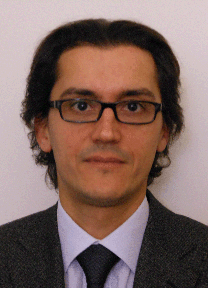



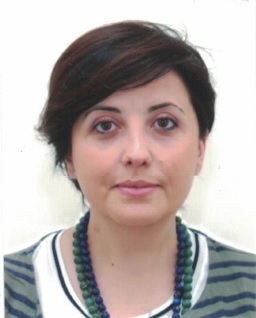





Study Plan
The Study Plan includes all modules, teaching and learning activities that each student will need to undertake during their time at the University.
Please select your Study Plan based on your enrollment year.
1° Year
| Modules | Credits | TAF | SSD |
|---|
2° Year activated in the A.Y. 2023/2024
| Modules | Credits | TAF | SSD |
|---|
3° Year It will be activated in the A.Y. 2024/2025
| Modules | Credits | TAF | SSD |
|---|
| Modules | Credits | TAF | SSD |
|---|
| Modules | Credits | TAF | SSD |
|---|
| Modules | Credits | TAF | SSD |
|---|
Legend | Type of training activity (TTA)
TAF (Type of Educational Activity) All courses and activities are classified into different types of educational activities, indicated by a letter.
Interventional Radiology and Neuroradiology - NEURORADIOLOGIA (2024/2025)
Teaching code
4S000377
Teacher
Not yet assigned
Credits
2
Language
Italian
Scientific Disciplinary Sector (SSD)
MED/37 - NEURORADIOLOGY
Period
2 SEMESTRE PROFESSIONI SANITARIE dal Jan 2, 2025 al Sep 30, 2025.
Courses Single
Authorized
To show the organization of the course that includes this module, follow this link: Course organization
Career prospects
Module/Programme news
News for students
There you will find information, resources and services useful during your time at the University (Student’s exam record, your study plan on ESSE3, Distance Learning courses, university email account, office forms, administrative procedures, etc.). You can log into MyUnivr with your GIA login details: only in this way will you be able to receive notification of all the notices from your teachers and your secretariat via email and soon also via the Univr app.
Gestione carriere
Graduation
Orario Lezioni
Si pubblicano gli orari definitivi delle lezioni relativi al 2° semestre dell'A.A. 2023/2024
La frequenza in aula delle lezioni è obbligatoria ed è prevista per tutti e tre gli anni di corso.
Documents
| Title | Info File |
|---|---|
 ORARI RADIOLOGIA 1 ANNO 1 SEMESTRE AA 2023-24
|
pdf, it, 40 KB, 26/09/23 |
|
ORARI RADIOLOGIA 1 ANNO 2 SEMESTRE AA 2023-24
|
pdf, it, 36 KB, 12/03/24 |
|
ORARI RADIOLOGIA 2 ANNO 1 SEMESTRE AA 2023-24
|
pdf, it, 32 KB, 26/09/23 |
|
ORARI RADIOLOGIA 2 ANNO 2 SEMESTRE AA 2023-24
|
pdf, it, 31 KB, 10/04/24 |
|
ORARI RADIOLOGIA 3 ANNO 2 SEMESTRE AA 2023-24
|
pdf, it, 35 KB, 12/03/24 |
Calendario Esami
in questa pagina verranno pubblicati i calendari degli esami del Corso di Laurea.
Documents
| Title | Info File |
|---|---|
|
TSRM CALENDARIO ESAMI_SESSIONE ESTIVA 2 A 1 S AA 2023-24
|
pdf, it, 48 KB, 10/05/24 |
|
TSRM CALENDARIO ESAMI_SESSIONE ESTIVA 2 A 2 S AA 2023-24
|
pdf, it, 47 KB, 10/05/24 |
|
TSRM CALENDARIO ESAMI_SESSIONE INVERNALE 1 A 1 S AA 2023-24
|
pdf, it, 51 KB, 20/12/23 |
|
TSRM CALENDARIO ESAMI_SESSIONE INVERNALE 1 A 2 S AA 2023-24
|
pdf, it, 19 KB, 10/01/24 |
|
TSRM CALENDARIO ESAMI_SESSIONE INVERNALE 2 A 1 S AA 2023-24
|
pdf, it, 48 KB, 10/01/24 |
|
TSRM CALENDARIO ESAMI_SESSIONE INVERNALE 3 A 1 S AA 2023-24
|
pdf, it, 50 KB, 19/01/24 |
Student login and resources
Attività Seminariali/a scelta dello studente
Ogni anno accademico, il CdS rinnova l'offerta per ciascun anno di corso di attività didattiche seminariali e a scelta dello studente che vanno ad integrare le conoscenze e competenze di base su specifici ambiti della diagnostica per immagini, medicina nucleare e radioterapia.
Tirocinio
in questa sede sono presenti le istruzioni operative da seguire e i documenti da allegare in caso di infortunio in tirocinio.
Agli studenti immatricolati, il CdS fornirà un link per accedere al regolamento di Tirocinio.
Documents
| Title | Info File |
|---|---|
|
2015_Estratto manuale sicurezza_UNIVR
|
pdf, it, 948 KB, 14/03/24 |
|
2016_EMERGENZA in Ospedale_AOUI-VR
|
pdf, it, 576 KB, 14/03/24 |
|
CdL in TRMIR_Istruzioni operative per infortunio in tirocinio
|
pdf, it, 186 KB, 15/03/24 |
 Modulo n. 2_autodichiarazione responsabile struttura
|
msword, it, 34 KB, 15/03/24 |
