Studying at the University of Verona
Academic calendar
The academic calendar shows the deadlines and scheduled events that are relevant to students, teaching and technical-administrative staff of the University. Public holidays and University closures are also indicated. The academic year normally begins on 1 October each year and ends on 30 September of the following year.
Course calendar
The Academic Calendar sets out the degree programme lecture and exam timetables, as well as the relevant university closure dates..
| Period | From | To |
|---|---|---|
| GIORNATA ACCOGLIENZA MATRICOLE ore 9.00 Aula "I. Dal Forno" I. Biologici | Sep 30, 2022 | Sep 30, 2022 |
| 1° semestre | Oct 3, 2022 | Dec 23, 2022 |
| 2° semestre | Feb 20, 2023 | May 31, 2023 |
| Session | From | To |
|---|---|---|
| Iscrizione ai corsi elettivi I semestre | Sep 4, 2022 | Oct 2, 2022 |
| Sessione per studenti fuori corso | Oct 3, 2022 | Sep 30, 2023 |
| Sessione invernale | Jan 9, 2023 | Feb 17, 2023 |
| Iscrizione ai corsi elettivi II semestre | Jan 12, 2023 | Feb 15, 2023 |
| Sessione estiva - 6° anno | Apr 17, 2023 | Jul 28, 2023 |
| Sessione estiva | Jun 5, 2023 | Jul 28, 2023 |
| Sessione autunnale | Sep 4, 2023 | Sep 29, 2023 |
| Session | From | To |
|---|---|---|
| Sessione straordinaria 2021/2022 - I laureandi della sessione straordinaria devono terminare gli esami entro il 17 febbraio 2023 | Mar 13, 2023 | Mar 24, 2023 |
| Sessione estiva - I laureandi nella sessione di luglio devono terminare gli esami entro il 16 giugno 2023 | Jun 26, 2023 | Jul 7, 2023 |
| Sessione autunnale - I laureandi di ottobre devono terminare gli esami entro il 25 settembre 2023 | Oct 9, 2023 | Oct 20, 2023 |
| Period | From | To |
|---|---|---|
| Ponte Festa di tutti i Santi | Oct 31, 2022 | Nov 1, 2022 |
| Ponte dell'Immacolata Concezione | Dec 8, 2022 | Dec 9, 2022 |
| Vacanze di Natale | Dec 24, 2022 | Jan 1, 2023 |
| VACANZE DI PASQUA | Apr 7, 2023 | Apr 10, 2023 |
| Festa della Liberazione | Apr 25, 2023 | Apr 25, 2023 |
| FESTIVITA' DEL SANTO PATRONO: SAN ZENO | May 21, 2023 | May 21, 2023 |
| Description | Period | From | To |
|---|---|---|---|
| Esercitazioni, Attività pratiche, Tirocini professionalizzanti | Esercitazioni, Attività pratiche, Tirocini professionalizzanti | Oct 3, 2022 | Sep 30, 2023 |
Exam calendar
Exam dates and rounds are managed by the relevant Medicine Teaching and Student Services Unit.
To view all the exam sessions available, please use the Exam dashboard on ESSE3.
If you forgot your login details or have problems logging in, please contact the relevant IT HelpDesk, or check the login details recovery web page.
Should you have any doubts or questions, please check the Enrollment FAQs
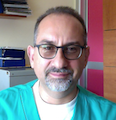
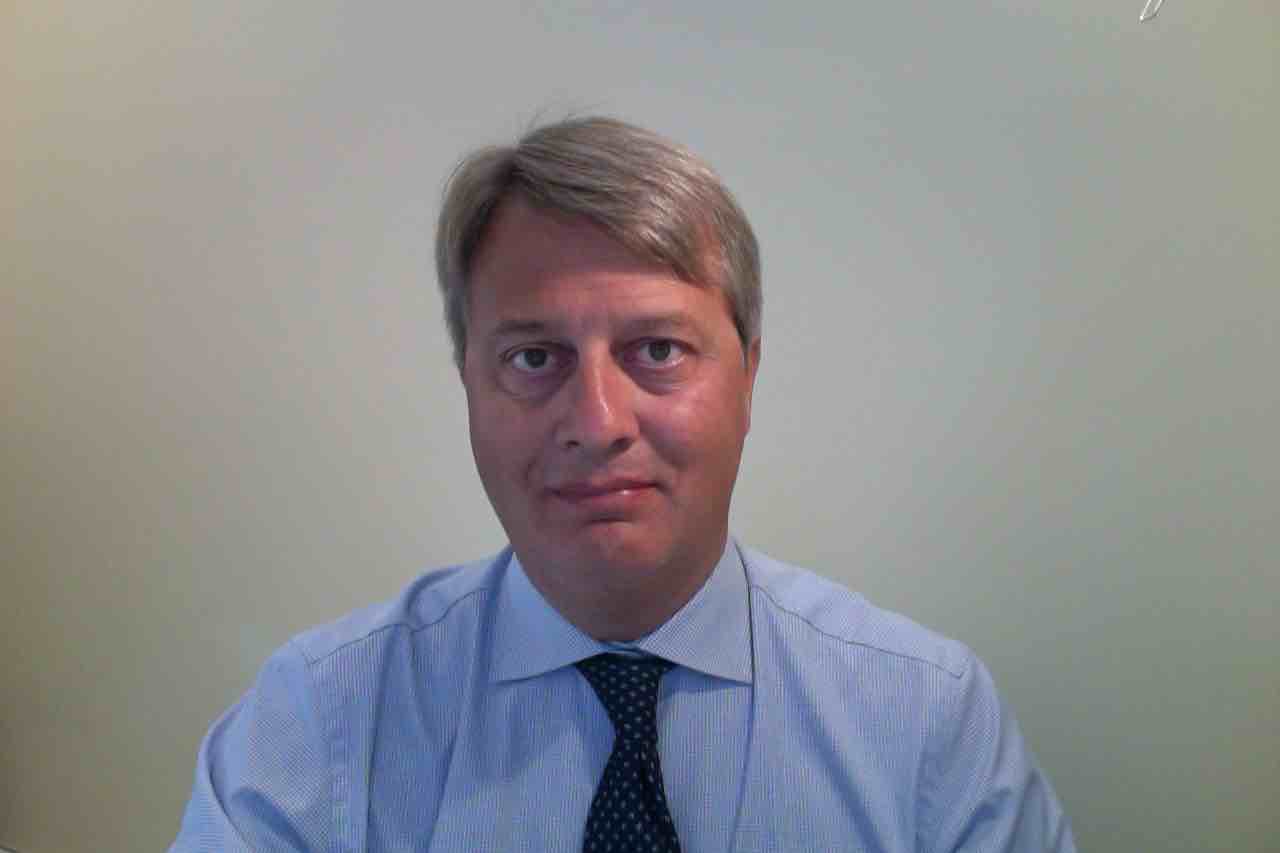
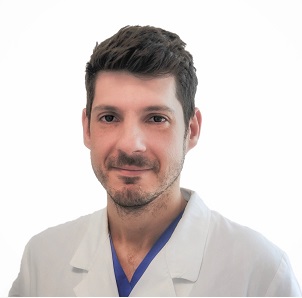
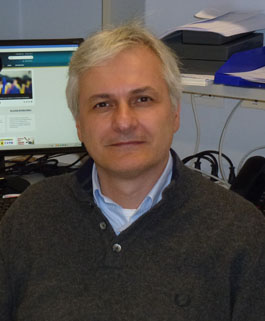
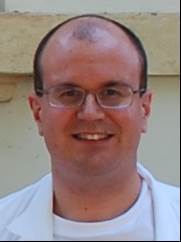
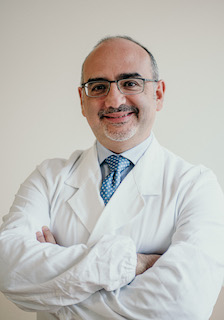
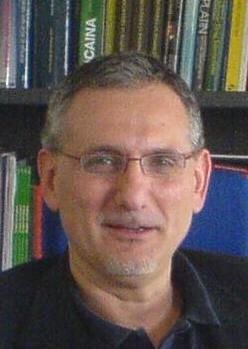
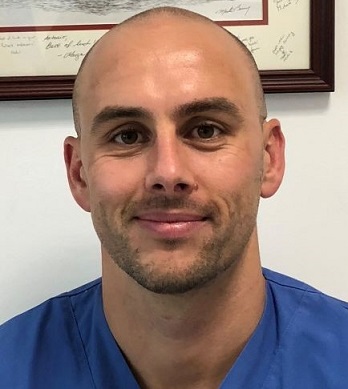
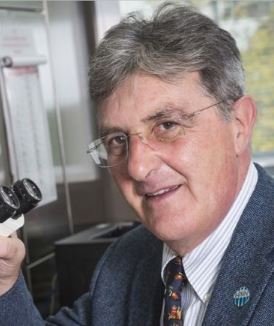
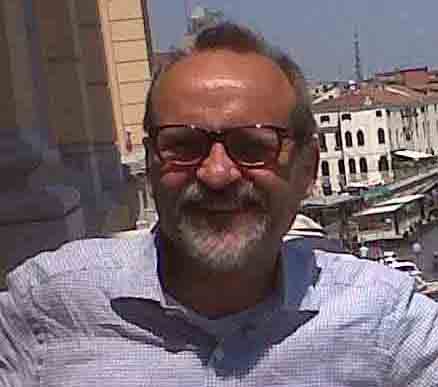
Academic staff
 annalisa.adamo@gmail.com
 045 8124930
 elena.antelmi@univr.it





 yuri.battaglia@univr.it






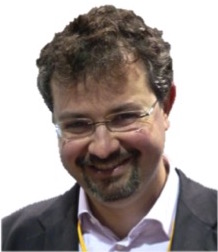

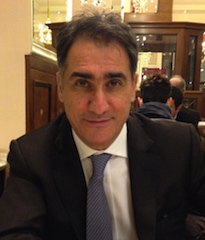







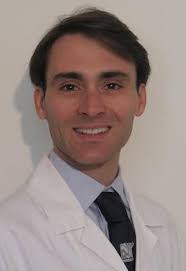


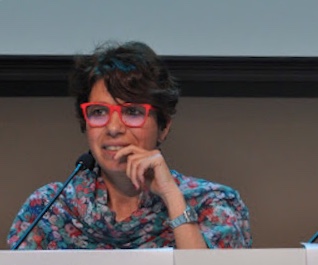












 mario.debellis_01@univr.it






 nic.depretis@yahoo.it








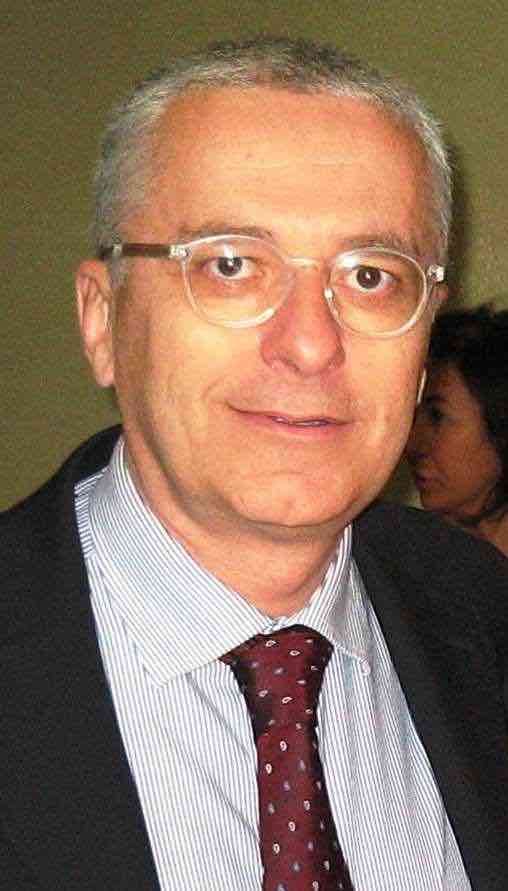


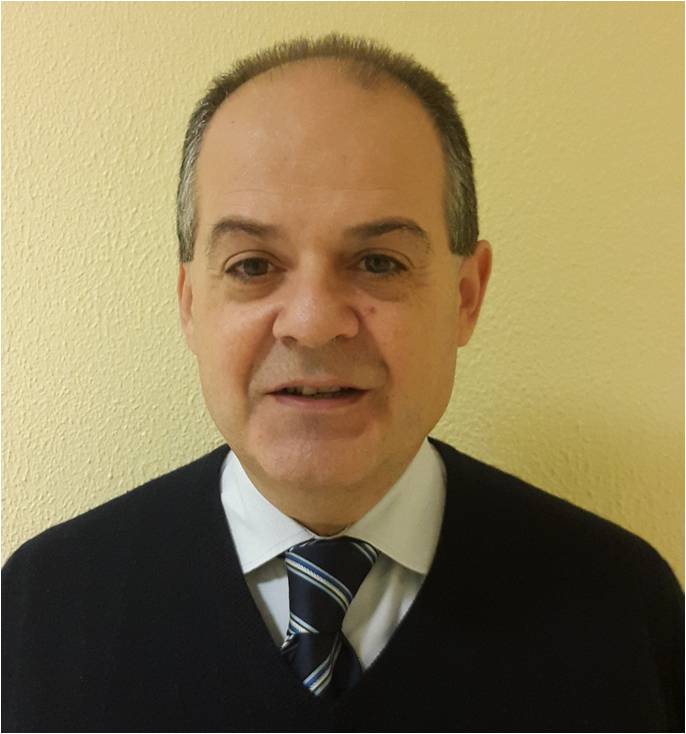


 davide.gatti@univr.it


























 guido.martignoni@univr.it














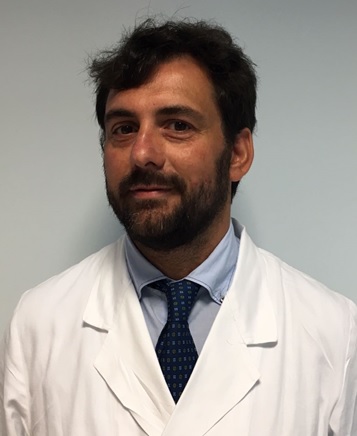




 sara.pilotto@univr.it



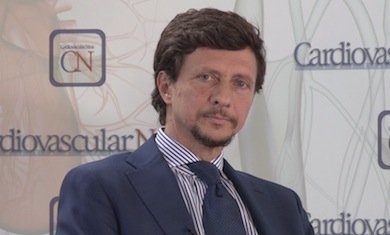 elda.righi@univr.it
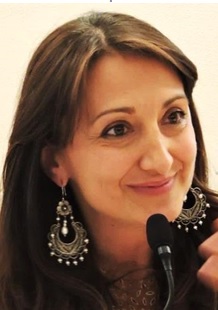














































Study Plan
The Study Plan includes all modules, teaching and learning activities that each student will need to undertake during their time at the University.
Please select your Study Plan based on your enrollment year.
1° Year
| Modules | Credits | TAF | SSD |
|---|
Medical and scientific English
2° Year activated in the A.Y. 2023/2024
| Modules | Credits | TAF | SSD |
|---|
3° Year It will be activated in the A.Y. 2024/2025
| Modules | Credits | TAF | SSD |
|---|
4° Year It will be activated in the A.Y. 2025/2026
| Modules | Credits | TAF | SSD |
|---|
5° Year It will be activated in the A.Y. 2026/2027
| Modules | Credits | TAF | SSD |
|---|
6° Year It will be activated in the A.Y. 2027/2028
| Modules | Credits | TAF | SSD |
|---|
| Modules | Credits | TAF | SSD |
|---|
Medical and scientific English
| Modules | Credits | TAF | SSD |
|---|
| Modules | Credits | TAF | SSD |
|---|
| Modules | Credits | TAF | SSD |
|---|
| Modules | Credits | TAF | SSD |
|---|
| Modules | Credits | TAF | SSD |
|---|
Legend | Type of training activity (TTA)
TAF (Type of Educational Activity) All courses and activities are classified into different types of educational activities, indicated by a letter.
Laboratory Medicine (2024/2025)
Teaching code
4S02658
Credits
5
Language
Italian
Courses Single
AuthorizedThe teaching is organized as follows:
BIOCHIMICA CLINICA - MEDICINA DI LABORATORIO
Credits
4
Period
2° semestre
Location
VERONA
Academic staff
Not yet assigned
DIDATTICA PRATICA DI MEDICINA DI LABORATORIO
Credits
1
Period
See the unit page
Academic staff
See the unit page
Learning objectives
At the end of the course the student will be able to apply choices and paths based on probabilistic criteria, usefulness and risk-benefit to the diagnostic process, being able to critically evaluate the Evidence-Based Medicine criteria (EBM). He/She will learn the value of Clinical Biochemistry on the diagnostic and therapeutic clinical decision making. The student will be finally able to guide the appropriate choice of laboratory tests and to correctly interpret their results, taking into account both interfering variables and confounding factors.
Free choice courses
Career prospects
Module/Programme news
News for students
There you will find information, resources and services useful during your time at the University (Student’s exam record, your study plan on ESSE3, Distance Learning courses, university email account, office forms, administrative procedures, etc.). You can log into MyUnivr with your GIA login details: only in this way will you be able to receive notification of all the notices from your teachers and your secretariat via email and soon also via the Univr app.
Erasmus+ e altre esperienze all'estero
Extra courses and activities
Opzioni (cambio di ordinamento)
Studenti iscritti alla classe LM/41 (Classe delle lauree magistrali in medicina e chirurgia)
Il MUR, con nota prot. n. 8610 del 25/3/2020 avente oggetto: “Abilitazione all’esercizio della professione di Medico-Chirurgo - art. 102 - Decreto legge 17 marzo 2020 n. 18 (convertito con modificazioni dalla L. 24 aprile 2020, n. 27), dispone l’adeguamento dell’ordinamento della classe LM/41 alle normative citate in oggetto.
Coloro i quali hanno concluso/concluderanno il tirocinio pratico-valutativo pre-lauream con giudizio di idoneità (ai sensi del DM 58/2018), conseguita la laurea, sono abilitati all’esercizio della professione di medico-chirurgo e possono procedere all’iscrizione presso l’Ordine dei Medici.
Rilascio del titolo di abilitazione
Ai fini del rilascio dell’abilitazione professionale è richiesto il pagamento delle seguenti tasse:
- tassa erariale pari a € 49,90 da versarsi prima che inizi la frequenza del tirocinio pratico valutativo
- tassa regionale di abilitazione da versarsi all’atto della consegna del titolo di abilitazione.
Studenti iscritti alla classe 46/S (Classe delle lauree specialistiche in medicina e chirurgia) e ordinamenti previgenti (attualmente fuori corso) oppure studenti iscritti alla classe LM/41 con coorti antecedenti alla coorte 2014 (attualmente fuori corso).
Il MUR, con nota prot. n. 8610 del 25/3/2020 avente oggetto: “Abilitazione all’esercizio della professione di Medico-Chirurgo - art. 102 - Decreto legge 17 marzo 2020 n. 18” dispone che, gli iscritti agli ordinamenti previgenti, con tirocinio pratico previsto post – laurea (ai sensi del DM 445/2001), ferme restando le norme sulla decadenza dagli studi, possono concludere il percorso di studio senza dovere necessariamente acquisire, ai fini dell’ammissione all’esame finale di laurea, il giudizio di idoneità del suddetto tirocinio pratico valutativo. In tal caso il diploma di laurea che rilascerà l’Ateneo avrà la sola valenza di titolo accademico. Resterà ferma, in ogni caso la possibilità per tali soggetti di conseguire eventualmente l’abilitazione all’esercizio della professione di medico-chirurgo in un momento successivo, secondo le modalità di cui al comma 2 dell’art.102, cioè conseguendo la valutazione del tirocinio prescritta dal D.M. n. 445/2001. L’Ateneo continuerà a predisporre un separato diploma di abilitazione.
Si ricorda che ai suddetti studenti è in ogni caso consentita l’opzione al nuovo ordinamento secondo i termini e le modalità previste.
Documents
| Title | Info File |
|---|---|
 All. 1 Tabella di racc. M54
|
pdf, it, 525 KB, 14/06/21 |
|
All. 2 Tabella di racc. MM1
|
pdf, it, 419 KB, 14/06/21 |
|
AVVISO OPZIONE 2024-25
|
pdf, it, 377 KB, 12/12/23 |
|
Richiesta di passaggio di ordinamento 2023-24
|
pdf, it, 483 KB, 10/02/23 |
|
Richiesta di valutazione carriera 2023-24
|
pdf, it, 481 KB, 10/02/23 |
Timetable
Documents
| Title | Info File |
|---|---|
|
Orari 1^ anno - 2^ semestre
|
pdf, it, 19 KB, 12/02/24 |
|
Orari 2^ anno - 2^ semestre
|
pdf, it, 18 KB, 28/02/24 |
|
Orari 3^ anno - 2^ semestre
|
pdf, it, 21 KB, 29/02/24 |
|
Orari 4^ anno - 2^ semestre
|
pdf, it, 21 KB, 27/02/24 |
|
Orari 5^ anno - 2^ semestre
|
pdf, it, 18 KB, 07/03/24 |
|
Orari 6^ anno - 2^ semestre
|
pdf, it, 12 KB, 21/02/24 |
|
Orari II semestre 2023-24
|
pdf, it, 781 KB, 29/02/24 |
|
Orari I semestre 2023-24
|
pdf, it, 280 KB, 29/11/23 |
|
Propedeuticità, blocchi, sbarramenti
|
pdf, it, 548 KB, 22/09/23 |
Graduation
Documents
| Title | Info File |
|---|---|
|
1^ COMMISSIONE DEF. Prof. Magnan giovedì 14 marzo 2024
|
pdf, it, 353 KB, 28/02/24 |
|
1^ COMMISSIONE LAUREANDI giovedì 14 marzo 2024
|
pdf, it, 249 KB, 22/02/24 |
|
2^ COMMISSIONE DEF. Prof. Polati venerdì 15 marzo 2025
|
pdf, it, 354 KB, 22/02/24 |
|
2^ COMMISSIONE LAUREANDI venerdì 15 marzo 2024
|
pdf, it, 248 KB, 22/02/24 |
|
3^ COMMISSIONE DEF. Prof. Gambaro mercoledì 20 marzo 2024
|
pdf, it, 351 KB, 22/02/24 |
|
3^ COMMISSIONE LAUREANDI mercoledì 20 marzo 2024
|
pdf, it, 249 KB, 22/02/24 |
|
Frontespizio
|
pdf, it, 104 KB, 25/09/23 |
|
Linee_guida_conseguimento_titolo
|
pdf, it, 838 KB, 17/03/22 |
|
Norme redazionali tesi
|
pdf, it, 826 KB, 27/10/21 |
