Studying at the University of Verona
Here you can find information on the organisational aspects of the Programme, lecture timetables, learning activities and useful contact details for your time at the University, from enrolment to graduation.
Academic calendar
The academic calendar shows the deadlines and scheduled events that are relevant to students, teaching and technical-administrative staff of the University. Public holidays and University closures are also indicated. The academic year normally begins on 1 October each year and ends on 30 September of the following year.
Course calendar
The Academic Calendar sets out the degree programme lecture and exam timetables, as well as the relevant university closure dates..
| Period | From | To |
|---|---|---|
| 1° e 2° SEM LM | Oct 1, 2022 | Sep 30, 2023 |
| Lm Sio BZ - VR 2A 1S (Coorte 2021) | Oct 1, 2022 | Feb 25, 2023 |
| 1° SEM LM | Oct 1, 2022 | Mar 15, 2023 |
| 1 SEMESTRE PROFESSIONI SANITARIE | Oct 3, 2022 | Dec 23, 2022 |
| 1° e 2° semestre (corsi annuali) PROFESSIONI SANITARIE | Oct 3, 2022 | Sep 30, 2023 |
| Lm Sio BZ - VR 1A 1S (Coorte 2022) | Nov 17, 2022 | Mar 18, 2023 |
| 2 SEMESTRE PROFESSIONI SANITARIE | Jan 9, 2023 | Sep 30, 2023 |
| 2° SEM LM | Mar 1, 2023 | Sep 30, 2023 |
| Lm Sio BZ - VR 2A 2S (Coorte 2021) | Apr 13, 2023 | Jul 1, 2023 |
| Lm Sio BZ - VR 1A 2S (Coorte 2022) | Apr 13, 2023 | Jul 1, 2023 |
| Session | From | To |
|---|---|---|
| Sessione invernale appelli di profitto LM prof. san. | Mar 10, 2023 | Apr 8, 2023 |
| Sessione estiva appelli di profitto LM prof. san. | Jul 3, 2023 | Jul 29, 2023 |
| Sessione autunnale appelli di profitto LM prof. san. | Sep 1, 2023 | Sep 30, 2023 |
| Session | From | To |
|---|---|---|
| Sessione estiva appelli di laurea LM prof. san. | Jun 12, 2023 | Jul 30, 2023 |
| Sessione autunnale appelli di laurea LM prof. san. | Nov 13, 2023 | Jan 19, 2024 |
| Sessione primaverile appelli di laurea LM prof. san. | Mar 1, 2024 | Apr 30, 2024 |
| Period | From | To |
|---|---|---|
| Tutti i Santi | Nov 1, 2022 | Nov 1, 2022 |
| Ponte dell'Immacolata Concezione | Dec 8, 2022 | Dec 9, 2022 |
| Vacanze natalizie | Dec 24, 2022 | Jan 8, 2023 |
| Lunedì dell'Angelo | Apr 10, 2023 | Apr 10, 2023 |
| Festa della Liberazione | Apr 25, 2023 | Apr 25, 2023 |
| Festa dei Lavoratori | May 1, 2023 | May 1, 2023 |
| Festa della Repubblica | Jun 2, 2023 | Jun 2, 2023 |
| Vacanze estive | Jul 30, 2023 | Sep 3, 2023 |
| Description | Period | From | To |
|---|---|---|---|
| Lm Sio BZ - VR TIROCINIO (Coorte 2021) | Lm Sio BZ TIROCINIO (Coorte 2021) | Jul 1, 2023 | Dec 31, 2023 |
Exam calendar
Exam dates and rounds are managed by the relevant Medicine Teaching and Student Services Unit.
To view all the exam sessions available, please use the Exam dashboard on ESSE3.
If you forgot your login details or have problems logging in, please contact the relevant IT HelpDesk, or check the login details recovery web page.
Should you have any doubts or questions, please check the Enrollment FAQs
Academic staff

 +039 0458027288

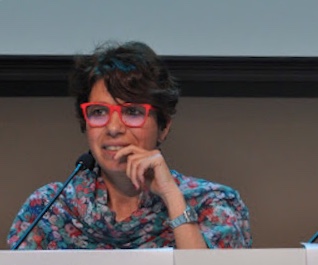


 raffaele.cutolo@univr.it
 tullio.ferrari@univr.it






 alberto.mattei@univr.it
 alvisa.palese@dstb.uniud.it

 sara.pilotto@univr.it

 danielesalmaso@fondazionezancan.it


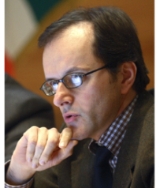
 fvallicella@vodafone.it
cinzia.vivori@apss.tn.it
fvallicella@vodafone.it
cinzia.vivori@apss.tn.it


Study Plan
The Study Plan includes all modules, teaching and learning activities that each student will need to undertake during their time at the University.
Please select your Study Plan based on your enrollment year.
1° Year
| Modules | Credits | TAF | SSD |
|---|
2° Year activated in the A.Y. 2023/2024
| Modules | Credits | TAF | SSD |
|---|
| Modules | Credits | TAF | SSD |
|---|
| Modules | Credits | TAF | SSD |
|---|
Legend | Type of training activity (TTA)
TAF (Type of Educational Activity) All courses and activities are classified into different types of educational activities, indicated by a letter.
Epidemiology, statistics and research - EPIDEMIOLOGIA E SANITA' PUBBLICA (2022/2023)
Teaching code
4S007231
Teacher
Credits
2
Also offered in courses:
- Health Law and Economics - SANITA' PUBBLICA of the course Master's degree in Rehabilitation Science in Healthcare Professions
Language
Italian
Scientific Disciplinary Sector (SSD)
MED/42 - HYGIENE AND PUBLIC HEALTH
Period
1° SEM LM, Lm Sio BZ - VR 1A 1S (Coorte 2022)

To show the organization of the course that includes this module, follow this link: Course organization
Learning objectives
- Provide students with epidemiological tools for observational studies
- Provide students with the tools to analyze the health needs of the population.
- Provide students with the data collection paths and data evaluation tools
- Provide students with indicators for health planning
Program
Epidemiological methods and tools:
- organization of an epidemiological study;
- types of study and results;
- population observational studies;
- health and disease indicators in observational studies
Data sources:
- demographic data
- health data
- socio-economic data
Evaluation tools for health planning:
- indicators of the health status of the population (rates, indices, mortality, morbidity, causes of death, causes of illness, avoidable mortality)
- population structure indicators (birth rate, aging index, Lexis curve, household composition, population distribution on the territory)
- indicators of healthcares'use facilities (number and size of hospital facilities in Italy, hospitalization rates, hospital discharge records, consumption of drugs, number of services and efficiency of facilities)
The programming tools:
- assessment of needs
- resource evaluation (outline)
- tools for analyzing the effectiveness of resource allocation (outlines)
Didactic methods
The teaching is structured in lectures. The teaching material is made available to students on the e-learning web page of the course (Moodle platform). Students in isolation and / or quarantine for COVID-19 will be allowed access to the lessons via ZOOM (in synchronous mode), after sending the form to the teacher via e-mail to self-certify their positivity.
Learning assessment procedures
Written exam with open questions and possible oral integration The objective of the test is to verify the knowledge of all the topics covered. The final evaluation is expressed in 30ths.
Evaluation criteria
Students have to answer a few questions to ascertain their understanding of the theory
Exam language
italiano
Career prospects
Module/Programme news
News for students
There you will find information, resources and services useful during your time at the University (Student’s exam record, your study plan on ESSE3, Distance Learning courses, university email account, office forms, administrative procedures, etc.). You can log into MyUnivr with your GIA login details: only in this way will you be able to receive notification of all the notices from your teachers and your secretariat via email and soon also via the Univr app.
Gestione carriere
Orario lezioni
Ultimo aggiornamento orario lezioni: 19/04/2024
Documents
| Title | Info File |
|---|---|
 00.Guida ai programmi - polo didattico di Verona
|
pdf, it, 480 KB, 23/06/21 |
 Attestato frequenza lezioni
|
octet-stream, it, 1293 KB, 23/06/21 |
|
Attestato presenza esame
|
pdf, it, 124 KB, 23/06/21 |
|
orario SECONDO semestre PRIMO anno 2023
|
pdf, it, 338 KB, 19/04/24 |
|
orario SECONDO semestre SECONDO anno 2023
|
pdf, it, 409 KB, 17/04/24 |
Stage
Documents
| Title | Info File |
|---|---|
|
00.Guida allo stage
|
pdf, it, 543 KB, 05/10/22 |
 01.Modulo firma presenze
|
msword, it, 198 KB, 23/06/21 |
|
02.Progetto formativo SEDE BOLZANO
|
octet-stream, it, 1297 KB, 05/10/22 |
|
02.Progetto formativo SEDE VERONA
|
octet-stream, it, 1297 KB, 05/10/22 |
|
03.Progetto formativo LOMBARDIA - SEDE BOLZANO
|
octet-stream, it, 1324 KB, 05/10/22 |
|
03.Progetto formativo LOMBARDIA - SEDE VERONA
|
octet-stream, it, 1323 KB, 05/10/22 |
|
04.Modulo autoapprendimento per tutor
|
msword, it, 44 KB, 23/06/21 |
|
05.Modulo valutazione
|
msword, it, 104 KB, 23/06/21 |
|
FEB24_discussione report_programmazione
|
pdf, it, 111 KB, 10/01/24 |
|
MAR24_discussione report_programmazione
|
pdf, it, 110 KB, 14/02/24 |
Student login and resources
Appelli d'esame
Documents
| Title | Info File |
|---|---|
|
Appelli MARZO APRILE 2024
|
pdf, it, 122 KB, 17/04/24 |
|
Metodologia della ricerca applicata ai contesti sanitari - RICERCA QUALITATIVA APPLICATA (20222023) - Appello 09.03.2023.pdf
|
pdf, it, 154 KB, 16/03/23 |
|
Modulo richiesta esame a distanza
|
pdf, it, 185 KB, 20/01/23 |
|
Presenza esame
|
octet-stream, it, 1299 KB, 31/01/23 |
