Studying at the University of Verona
Here you can find information on the organisational aspects of the Programme, lecture timetables, learning activities and useful contact details for your time at the University, from enrolment to graduation.
Academic calendar
The academic calendar shows the deadlines and scheduled events that are relevant to students, teaching and technical-administrative staff of the University. Public holidays and University closures are also indicated. The academic year normally begins on 1 October each year and ends on 30 September of the following year.
Course calendar
The Academic Calendar sets out the degree programme lecture and exam timetables, as well as the relevant university closure dates..
| Period | From | To |
|---|---|---|
| Semester 1 | Oct 2, 2023 | Jan 26, 2024 |
| Semester 2 | Mar 4, 2024 | Jun 14, 2024 |
| Session | From | To |
|---|---|---|
| Winter exam session | Jan 29, 2024 | Mar 1, 2024 |
| Summer exam session | Jun 17, 2024 | Jul 31, 2024 |
| Autumn exam session | Sep 2, 2024 | Sep 30, 2024 |
| Period | From | To |
|---|---|---|
| Festa di Ognissanti | Nov 1, 2023 | Nov 1, 2023 |
| Festa dell'Immacolata | Dec 8, 2023 | Dec 8, 2023 |
| Vacanze di Natale | Dec 24, 2023 | Jan 7, 2024 |
| Festività pasquali | Mar 29, 2024 | Apr 1, 2024 |
| Ponte della Festa della Liberazione | Apr 25, 2024 | Apr 26, 2024 |
| Festa del Lavoro | May 1, 2024 | May 1, 2024 |
| Festività del Santo Patrono: San Zeno | May 21, 2024 | May 21, 2024 |
| Festa della Repubblica | Jun 2, 2024 | Jun 2, 2024 |
| Vacanze estive | Aug 12, 2024 | Aug 17, 2024 |
Exam calendar
Exam dates and rounds are managed by the relevant Science and Engineering Teaching and Student Services Unit.
To view all the exam sessions available, please use the Exam dashboard on ESSE3.
If you forgot your login details or have problems logging in, please contact the relevant IT HelpDesk, or check the login details recovery web page.
Should you have any doubts or questions, please check the Enrollment FAQs
Academic staff
 045 802 7873


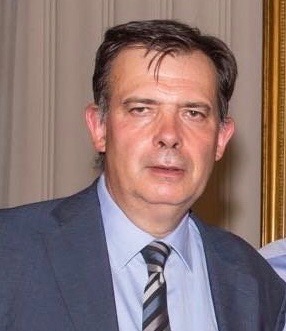



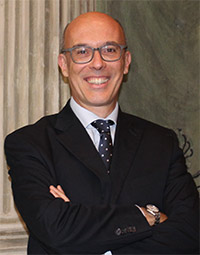




 giulio.fellin@univr.it

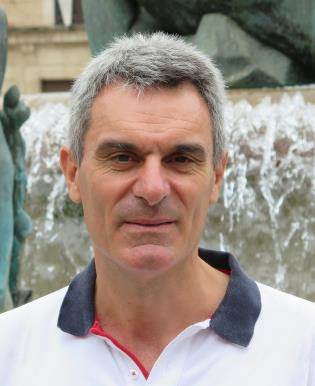


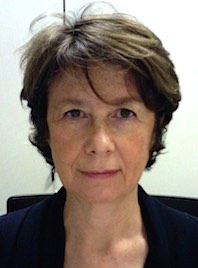


 claudio.tomazzoli@univr.it

 franco.zivcovich@univr.it
Study Plan
The Study Plan includes all modules, teaching and learning activities that each student will need to undertake during their time at the University.
Please select your Study Plan based on your enrollment year.
1° Year
| Modules | Credits | TAF | SSD |
|---|
2° Year It will be activated in the A.Y. 2024/2025
| Modules | Credits | TAF | SSD |
|---|
3° Year It will be activated in the A.Y. 2025/2026
| Modules | Credits | TAF | SSD |
|---|
| Modules | Credits | TAF | SSD |
|---|
| Modules | Credits | TAF | SSD |
|---|
| Modules | Credits | TAF | SSD |
|---|
Legend | Type of training activity (TTA)
TAF (Type of Educational Activity) All courses and activities are classified into different types of educational activities, indicated by a letter.
Attività seminariali da parte di esperti di associazioni di categoria e imprese (2023/2024)
Teaching code
4S012279
Teacher
Not yet assigned
Credits
3
Language
Italian
Scientific Disciplinary Sector (SSD)
NN - -
Period
Not yet assigned
Courses Single
Authorized with reserve
Learning objectives
Seminars and workshops will be held by specialists and/or industry personnel, so to give the students the possibility to acquire a practical view of the different aspects related to innovation, sustainability and food product development. Several different aspects and issues will be addressed (e.g. technological, economical, legal, etc.), so as to give the students the ability to face and solve with a pragmatic approach the various problems and issues rising during the whole production process, from farm to fork.
Type D and Type F activities
Le attività formative di tipologia D sono a scelta dello studente, quelle di tipologia F sono ulteriori conoscenze utili all’inserimento nel mondo del lavoro (tirocini, competenze trasversali, project works, ecc.). In base al Regolamento Didattico del Corso, alcune attività possono essere scelte e inserite autonomamente a libretto, altre devono essere approvate da apposita commissione per verificarne la coerenza con il piano di studio. Le attività formative di tipologia D o F possono essere ricoperte dalle seguenti attività.
1. Insegnamenti impartiti presso l'Università di Verona
Comprendono gli insegnamenti sotto riportati e/o nel Catalogo degli insegnamenti (che può essere filtrato anche per lingua di erogazione tramite la Ricerca avanzata).
Modalità di inserimento a libretto: se l'insegnamento è compreso tra quelli sottoelencati, lo studente può inserirlo autonomamente durante il periodo in cui il piano di studi è aperto; in caso contrario, lo studente deve fare richiesta alla Segreteria, inviando a carriere.scienze@ateneo.univr.it il modulo nel periodo indicato.
2. Attestato o equipollenza linguistica CLA
Oltre a quelle richieste dal piano di studi, vengono riconosciute:
- Lingua inglese: vengono riconosciuti 3 CFU per ogni livello di competenza superiore a quello richiesto dal corso di studio (se non già riconosciuto nel ciclo di studi precedente).
- Altre lingue e italiano per stranieri: vengono riconosciuti 3 CFU per ogni livello di competenza a partire da A2 (se non già riconosciuto nel ciclo di studi precedente).
Tali cfu saranno riconosciuti, fino ad un massimo di 6 cfu complessivi, di tipologia F se il piano didattico lo consente, oppure di tipologia D. Ulteriori crediti a scelta per conoscenze linguistiche potranno essere riconosciuti solo se coerenti con il progetto formativo dello studente e se adeguatamente motivati.
Modalità di inserimento a libretto: richiedere l’attestato o l'equipollenza al CLA e inviarlo alla Segreteria Studenti - Carriere per l’inserimento dell’esame in carriera, tramite mail: carriere.scienze@ateneo.univr.it
3. Competenze trasversali
Alle studentesse e agli studenti del corso di laurea in Innovazione e sostenibilità della produzione industriale di alimenti sono consigliati i seguenti percorsi formativi promossi dal TALC - Teaching and learning center dell'Ateneo, destinati agli studenti regolarmente iscritti all'anno accademico di erogazione del corso:
- Bilancio di competenze: fare il punto sulle proprie life skills (3 CFU) - spazio Moodle
- Capire il rischio: emozioni e razionalità (2 CFU) - spazio Moodle
- Come formulare una proposta progettuale (3 CFU) - spazio Moodle
- Come gestire i conflitti per una migliore convivenza nei luoghi di lavoro (3CFU) - spazio Moodle
- Cooperative learning come metodo efficace per la gestione dei gruppi (2 CFU) - spazio Moodle
- Crowdfunding, what? (1 CFU) - spazio Moodle
- Curriculum 4.0, software e tecniche per una presentazione efficace (3 CFU) - spazio Moodle
- Obiettivo: sviluppo sostenibile (1 CFU) - spazio Moodle
- Parlare in pubblico con efficacia. Il ruolo della comunicazione non verbale (1 CFU) - spazio Moodle
- Pensare come un* scienziat* (1 CFU) - spazio Moodle
- Prendere decisioni in contesti complessi (2 CFU) - spazio Moodle
- Public speaking II (2 CFU) - spazio Moodle
- Sviluppo delle competenze relazionali interpersonali e collaborative attraverso l’intercomprensione fra le lingue (3 CFU) - spazio Moodle
- Team working: come lavorare in gruppo (3 CFU) - spazio Moodle
Modalità di inserimento a libretto: non è previsto l'inserimento dell'insegnamento nel piano di studi. Solo in seguito all'ottenimento dell'Open Badge verranno automaticamente convalidati i CFU a libretto. La registrazione dei CFU in carriera non è istantanea, ma ci saranno da attendere dei tempi tecnici.
4. CONTAMINATION LAB
Il Contamination Lab Verona (CLab Verona) è un percorso esperienziale con moduli dedicati all'innovazione e alla cultura d'impresa che offre la possibilità di lavorare in team con studenti e studentesse di tutti i corsi di studio per risolvere sfide lanciate da aziende ed enti. Il percorso permette di ricevere 6 CFU in ambito D o F. Scopri le sfide: https://www.univr.it/clabverona
ATTENZIONE: Per essere ammessi a sostenere una qualsiasi attività didattica, incluse quelle a scelta, è necessario essere iscritti all'anno di corso in cui essa viene offerta. Si raccomanda, pertanto, ai laureandi delle sessioni di dicembre e aprile di NON svolgere attività extracurriculari del nuovo anno accademico, cui loro non risultano iscritti, essendo tali sessioni di laurea con validità riferita all'anno accademico precedente. Quindi, per attività svolte in un anno accademico cui non si è iscritti, non si potrà dar luogo a riconoscimento di CFU.
5. Periodo di stage/tirocinio
Oltre ai CFU previsti dal piano di studi (verificare attentamente quanto indicato sul Regolamento Didattico): qui informazioni su come attivare lo stage.
Verificare nel regolamento quali attività possono essere di tipologia D e quali di tipologia F.
Insegnamenti e altre attività che si possono inserire autonomamente a libretto
| years | Modules | TAF | Teacher | |
|---|---|---|---|---|
| 3° | Python programming language | D |
Carlo Combi
(Coordinator)
|
|
| 2° 3° | LaTeX Language | D |
Enrico Gregorio
(Coordinator)
|
|
| years | Modules | TAF | Teacher |
|---|---|---|---|
| 1° | Subject requirements: basic mathematics and physics | D |
Franco Zivcovich
(Coordinator)
|
Career prospects
Module/Programme news
News for students
There you will find information, resources and services useful during your time at the University (Student’s exam record, your study plan on ESSE3, Distance Learning courses, university email account, office forms, administrative procedures, etc.). You can log into MyUnivr with your GIA login details: only in this way will you be able to receive notification of all the notices from your teachers and your secretariat via email and soon also via the Univr app.
Career management
Graduation
Attendance
As stated in the Teaching Regulations for the A.Y. 2022/2023, attendance at the course of study is not mandatory, although recommended, for lectures, while it is mandatory at all practice and laboratory experiences.
Student login and resources
Tirocinio
Il tirocinio professionalizzante è collocato al terzo anno di studio, occupandolo quasi interamente, ed è uno degli elementi caratterizzanti il corso di laurea.
Nello specifico, durante il tirocinio le studentesse e gli studenti potranno affiancare una o più figure professionali, dal Responsabile della Qualità al Responsabile della Produzione, dal Responsabile del Marketing al Responsabile degli acquisti, etc., per acquisire conoscenze e competenze utili per il successivo inserimento nel mondo del lavoro.
Il tirocinio consentirà, quindi, di applicare in un ambito produttivo reale quanto acquisito durante la formazione in aula e in laboratorio, confrontandosi con i diversi ruoli aziendali che potranno poi essere ricoperti durante la carriera lavorativa.
Le ditte che hanno espresso interesse ad ospitare i tirocinanti sono un esempio dell’ampio panorama del settore alimentare, abbracciando molteplici settori, da quello lattiero-caseario a quello dolciario, da quello dei prodotti da forno a quello dell’industria delle carni, dal settore delle bevande a quello della Grande Distribuzione Organizzata (GDO).
Per orientare la scelta di studenti e studentesse verso la realtà aziendale e la figura professionale più vicina alle specifiche preferenze e attitudini, verrà organizzato uno specifico workshop di incontro, durante il quale le aziende disponibili avranno modo di presentarsi e di conoscere i futuri tirocinanti, permettendo alle parti interessate (studente/ssa e impresa) di confrontarsi e trovare l’abbinamento migliore per soddisfare le esigenze e le aspettative di entrambi.
Di seguito si riporta l’elenco alfabetico delle aziende che, alla data odierna, hanno dato la loro disponibilità ad ospitare tirocinanti del corso di laurea ad orientamento professionale “Innovazione e sostenibilità nella produzione industriale di alimenti” (LP02).
