Studying at the University of Verona
Here you can find information on the organisational aspects of the Programme, lecture timetables, learning activities and useful contact details for your time at the University, from enrolment to graduation.
Academic calendar
The academic calendar shows the deadlines and scheduled events that are relevant to students, teaching and technical-administrative staff of the University. Public holidays and University closures are also indicated. The academic year normally begins on 1 October each year and ends on 30 September of the following year.
Course calendar
The Academic Calendar sets out the degree programme lecture and exam timetables, as well as the relevant university closure dates..
| Period | From | To |
|---|---|---|
| LEZIONI 2^ ANNO -1^ SEMESTRE | Oct 1, 2013 | Nov 15, 2013 |
| LEZIONI 3^ ANNO -1^ SEMESTRE | Oct 1, 2013 | Nov 8, 2013 |
| LEZIONI 1^ ANNO -1^ SEMESTRE | Oct 7, 2013 | Dec 13, 2013 |
| LEZIONI 2^ ANNO - 2^ SEMESTRE | Feb 24, 2014 | Apr 11, 2014 |
| LEZIONI 3^ ANNO - 2^ SEMESTRE | Mar 3, 2014 | Apr 4, 2014 |
| LEZIONI 1^ ANNO - 2^ SEMESTRE | Mar 3, 2014 | Apr 24, 2014 |
| Session | From | To |
|---|---|---|
| FISIO VR SESSIONE INVERNALE 3^ ANNO | Jan 7, 2014 | Jan 24, 2014 |
| FISIO VR SESSIONE INVERNALE 1^ e 2^ ANNO | Jan 7, 2014 | Jan 31, 2014 |
| FISIO VR SESSIONE ESTIVA | Jul 7, 2014 | Jul 31, 2014 |
| FISIO VR SESSIONE AUTUNNALE | Sep 1, 2014 | Sep 25, 2014 |
| Session | From | To |
|---|---|---|
| FISIO SESSIONE AUTUNNALE | Oct 1, 2014 | Nov 30, 2014 |
| FISIO SESSIONE PRIMAVERILE | Mar 1, 2015 | Apr 30, 2015 |
| Period | From | To |
|---|---|---|
| Festa di Ognissanti | Nov 1, 2013 | Nov 1, 2013 |
| VACANZE DI NATALE | Dec 22, 2013 | Jan 6, 2014 |
| Vacanze di Pasqua | Apr 17, 2014 | Apr 22, 2014 |
| Festa della Liberazione | Apr 25, 2014 | Apr 25, 2014 |
| Festa dei lavoratori | May 1, 2014 | May 1, 2014 |
| Festa del S. Patrono S. Zeno | May 21, 2014 | May 21, 2014 |
| Festa della Repubblica | Jun 2, 2014 | Jun 2, 2014 |
| Vacanze Estive | Aug 11, 2014 | Aug 15, 2014 |
| Description | Period | From | To |
|---|---|---|---|
| TIROCINIO 3^ANNO -1^ SEMESTRE (1°periodo) | TIROCINIO 3^ANNO -1^ SEMESTRE (1°periodo) | Nov 18, 2013 | Dec 20, 2013 |
| TIROCINIO 2^ANNO -1^ SEMESTRE | TIROCINIO 2^ANNO -1^ SEMESTRE | Nov 25, 2013 | Dec 20, 2013 |
| TIROCINIO 3^ANNO -1^ SEMESTRE (2°periodo) | TIROCINIO 3^ANNO -1^ SEMESTRE (2°periodo) | Jan 27, 2014 | Feb 28, 2014 |
| TIROCINIO 1^ANNO -1^ SEMESTRE | TIROCINIO 1^ANNO -1^ SEMESTRE | Feb 3, 2014 | Feb 28, 2014 |
| ROV TIROCINIO 3^ANNO -2^ SEMESTRE | TIROCINIO 3^ ANNO -2^ SEMESTRE | Apr 14, 2014 | Jun 27, 2014 |
| TIROCINIO 2^ ANNO -2^ SEMESTRE | TIROCINIO 2^ ANNO -2^ SEMESTRE | Apr 28, 2014 | Jun 27, 2014 |
| TIROCINIO 1^ANNO -2^ SEMESTRE | TIROCINIO 1^ANNO -2^ SEMESTRE | May 5, 2014 | Jun 27, 2014 |
Exam calendar
Exam dates and rounds are managed by the relevant Medicine Teaching and Student Services Unit.
To view all the exam sessions available, please use the Exam dashboard on ESSE3.
If you forgot your login details or have problems logging in, please contact the relevant IT HelpDesk, or check the login details recovery web page.
Should you have any doubts or questions, please check the Enrollment FAQs
Academic staff


 davide.adamoli@univr.it


 cinzia.biondani@ospedaleuniverona.it
giorgio.borghesan@libero.it
cinzia.biondani@ospedaleuniverona.it
giorgio.borghesan@libero.it


 daniela.cafaro@univr.it

Cornacchia Marta
marta.cornacchia@alice.it
 045/6138715
 marco.ferdeghini@univr.it
045 812 47 84 (Segreteria) 045 802 74 89 (Segreteria di Istituto)
marco.ferdeghini@univr.it
045 812 47 84 (Segreteria) 045 802 74 89 (Segreteria di Istituto)
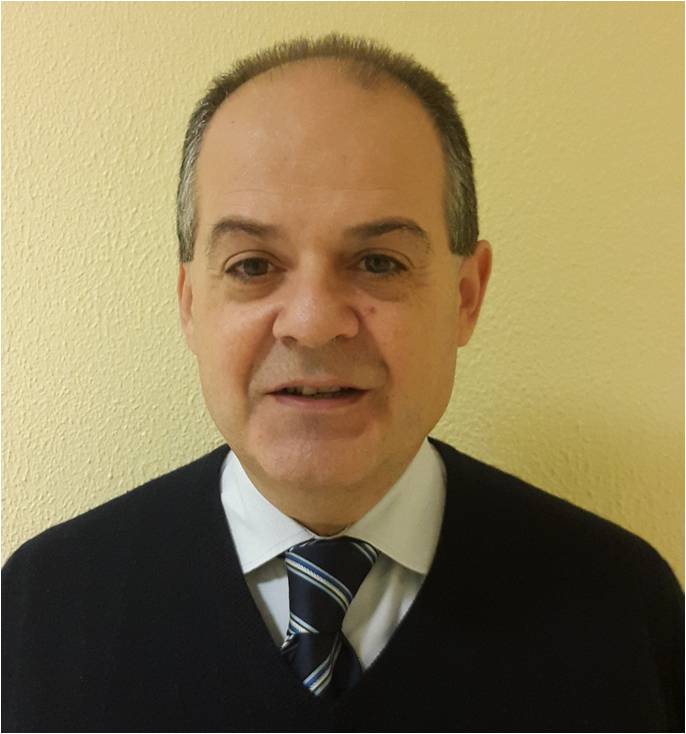



Lamberti Paola





 annamaria.molino@univr.it






 trombetti.bice tiscali.it
er.vedovi@virgilio.it
trombetti.bice tiscali.it
er.vedovi@virgilio.it

 alessandra.zivelonghi@aovr.veneto.it
Study Plan
The Study Plan includes all modules, teaching and learning activities that each student will need to undertake during their time at the University.
Please select your Study Plan based on your enrollment year.
1° Year
| Modules | Credits | TAF | SSD |
|---|
2° Year activated in the A.Y. 2014/2015
| Modules | Credits | TAF | SSD |
|---|
3° Year activated in the A.Y. 2015/2016
| Modules | Credits | TAF | SSD |
|---|
| Modules | Credits | TAF | SSD |
|---|
| Modules | Credits | TAF | SSD |
|---|
| Modules | Credits | TAF | SSD |
|---|
Legend | Type of training activity (TTA)
TAF (Type of Educational Activity) All courses and activities are classified into different types of educational activities, indicated by a letter.
Clinical practice (3rd year) (2015/2016)
Teaching code
4S01556
Teacher
Coordinator
Credits
22
Language
Italian
Scientific Disciplinary Sector (SSD)
MED/48 - NURSING IN NEUROPSYCHIATRY AND REHABILITATION
Period
FISIO VR 3^ ANNO - 2^ SEMESTRE dal Feb 29, 2016 al Apr 8, 2016.
Location
VERONA
Learning outcomes
Professor CRISTINA SCUMA '
UNIVERSITY CREDITS 22
MED / 48 Professional training 3rd year
Educational Goals
At the end of the 3rd year, in reference to the core activities, the student will acquire the following skills in several areas:
CARE AND REHABILITATION
The placement of the third year will study in depth specialist but also the acquisition of knowledge and methodologies inherent in the practice, the ability to work in teams and in
complex organizational contexts. It increases the importance assigned to the training experiences. The student can experience a gradual assumption of responsibility and autonomy with the supervision of experts (in different specialist areas neurology, cardiovascular, critical care, oncology, infectious diseases, pulmonology, area maternal - infant, etc.), Methodological skills of scientific research also processing support of the thesis, as well as elements of management and
Management useful to professional development in the work context.
This logic curriculum is also reflected in the choice of credits assigned to training experiences that increase gradually from the 1st to 3rd year.
Assessment methods
Formative evaluation of the clinical trainers.
Feedback tutorial evaluation during the internship (through portfolio, structured assessment sheets and clinical reports on professional practice).
Reference texts
Depth articles. Material tutorial activities. Bibliography of the teachings from preparatory curriculum.
PREVENTION
Make primary prevention of problems encountered on the risk of secondary complications for themselves and people assisted. Meet the standards of safety and hygiene in the workplace for prevention of infection, during the required tasks on patients in the structure of training attended.
THERAPEUTIC EDUCATION
Knowing, observing, describing pedagogical strategies for effective teaching to patients with orthopedic and neurological pathology (the caregiver, the family), based on the concept of motor learning and methods to motivate the patient to follow the exercise program with the guidance of physiotherapist.
COMMUNICATION AND REPORT
Assume an attitude of active listening at times when the Physiotherapist guide training, communicate with the patient, the caregiver and with the team. Use all communication strategies in relation to the care recipient and his family lived and in compliance with the expectations of the patient. Respect ideas, opinions and cultures
RESPONSIBILITY 'PROFESSIONAL
Adhere to the principles of ethics and confidentiality (code of ethics and privacy legislation) in language and actions
Identify their own limits of competence and responsibility. Take responsibility for the actions and reconcile their needs in relation to those of others within the rules of the different organizations.
Take awareness for responsible management of the documentation relating to the patient and to their education (facilities and equipment is at the site of education that internship)
MANAGEMENT AND MANAGEMENT
Identify with the tutor / guide the training activities in accordance with the legislative and organizational and choose the information tools used to define the project folder using physiotherapy physiotherapy to frame the patient observed.
Fill in the documentation relating to training and the delivery schedule, according to the indications agreed with the academic.
TRAINING AND SELF
Contribute actively, guided by tutors, the definition of learning outcomes (both in the university and in training). Define with tutors and guides to the best internship opportunities
Training to achieve the objectives and scope of the year.
Develop skills competent and independent troubleshooting demonstrating the ability to continuously seek opportunities for self-learning.
Take responsibility for their own professional development and to respond to the continuous changes of knowledge and health and social needs.
Use the self-assessment of their level of training to maintain their knowledge at the highest level required for professional practice. Acquiring capacity for self-criticism
Ask and accept feedback, reflect on their performance and evaluate themselves. Verify and supplement their theoretical knowledge as needed.
PRACTICE BASED ON TESTING EFFECTIVENESS (EPB)
Increase knowledge with updated references in choosing a treatment or compared to a clinical problem, seek and consider the best available evidence in the literature and / or used in the apprenticeship.
Using the International Classification of Functioning (ICF) for the definition of a rehabilitation project.
Prerequisites
Placements of the first and second year; workshops and exercises of the 3rd year of the course; basic knowledge of computer science, English and statistics; teachings preparatory vocational MED / 48 from curriculum.
Program
Course content
CORE SKILLS TRAINING FOR THE THIRD YEAR
Program of the course
- Headed training five weeks in the services of geriatric rehabilitation with adults and seniors with problems acute or post-acute (in conservative treatment or post-surgery) or chronic taking account of co-morbidity.
- Headed training five weeks in the community services for rehabilitation in children.
(Cerebral palsy, .etc).
- Headed training for five weeks in critical-visceral acute and post-acute (in conservative treatment or post-surgery).
- Headed training five weeks in the neurological rehabilitation services to adults and seniors with neurological problems.
- Experience of three months in the European partner universities for the winners of the scholarship of the ERASMUS project.
GUIDED TRAINING
Tutorial activities of briefing and reflection and revision / debriefing at the end of each experience.
Areas of expertise:
communication / relationship; care and rehabilitation; training / self-training; management and management; professional liability; prevention.
Type of user:
Adults or elderly patients with musculoskeletal problems and at the expense of the neurological systems and neuromotor both inpatient and outpatient.
Post surgical patients in inpatient or outpatient; patients with chronic phase of exacerbation charged with failure of the respiratory system.
Children with disorders in children.
Teaching methods
Alongside the clinical tutor / guide training; exercises integration of theoretical and practical skills, briefing and debriefing, compilation folder physiotherapy education and training reports.
- Activities tutorials led by coordinator and tutor of the course, in group and individual student, for the definition of the training objectives, reworking experience in training, in-depth theoretical workshops / tutorials, case reports "on paper" and activity of skill-lab professionals experts.
Assessment methods
CORE SKILLS TRAINING FOR THE THIRD YEAR
Transmission of learning contract by the tutor of the course seat, formative evaluation of the placement by the clinical tutor by completing card evaluation of middle and end experience.
Examination of theoretical and practical training certification
SEMINAR: VIDEO OBSERVATION AND EVALUATION OF CHILDREN WITH PCI
SEMINAR: EVIDENCE AND PRACTICE OF PHYSIOTHERAPY critical area
SEMINAR: EVIDENCE AND PRACTICES IN THE ASSESSMENT AND TREATMENT
PERSON WITH BACK PAIN
SEMINAR: THE WORLD OF WORK
WORKSHOPS 3rd YEAR (see program)
EXERCISES 3rd YEAR:
- THEORETICAL PRACTICAL MANUAL LYMPH
- ESTABLISHMENT OF A FOLDER PHYSIOTHERAPY EDUCATION (CFD) FOR EACH EXPERIENCE TRAINING THAT WILL RECEIVE THE TUTOR UNIVERSITY TRAINING TOGETHER FOR ASSESSING THE STUDENT.
- DRIVING TRAINING REQUIRED A MOMENT OF DISCUSSION WITH THE STUDENT TO COMPARE THE PROCESS OF CLINICAL REASONING USED IN COMPLETING
- Report of internship and thesis project:
- The choice of the REPORT OF THE INTERNSHIP STUDENT DISCRETION IS SUBJECT TO EVALUATION TUTORIAL IN ORDER TO CONDUCT THE STUDENTS TO THE BEST POSSIBLE DEFINITION OF PROJECT THESIS.
- DEFINITION OF THE PLAN OF GUIDED SELF-LEARNING PROJECT THESIS, INCLUDING A LITERATURE TARGETED TO SUPPORT PROJECT.
Examination Methods
EXAMINATION TRAINING: CASE REPORT "ON PAPER" Theoretical PRACTICE TEST FINAL VOTE.
Recommended reading:
ON EXPERIENCE OF TRAINING, Apprenticeship contract SHEETS TRAINING INTERMEDIATE VERIFICATION AND FINAL RESULTS; EVALUATION OF PROFESSIONAL WORKSHOPS, ACTIVE PARTICIPATION IN WORKING GROUPS DURING tutorial sessions; ASSESSMENT DEVELOPED IN WRITING TRAINING.
Material provided by the teacher
Career prospects
Module/Programme news
News for students
There you will find information, resources and services useful during your time at the University (Student’s exam record, your study plan on ESSE3, Distance Learning courses, university email account, office forms, administrative procedures, etc.). You can log into MyUnivr with your GIA login details: only in this way will you be able to receive notification of all the notices from your teachers and your secretariat via email and soon also via the Univr app.
Gestione carriere
Graduation
Documents
| Title | Info File |
|---|---|
 Calendario discussione tesi - 2 sessione A.A. 22-23
|
pdf, it, 367 KB, 19/02/24 |
|
Format Copertina Tesi_Revisione2023
|
pdf, it, 142 KB, 19/01/24 |
|
Guida Stesura Tesi_Revisione2023
|
pdf, it, 862 KB, 19/01/24 |
|
Risultati esame di stato 25.03.24
|
pdf, it, 273 KB, 25/03/24 |
Appelli d'esame
AVVISO IMPORTANTE
Gli appelli d’esame si aprono per l’intero Insegnamento e non per singoli moduli.
Per il singolo modulo di cui non è stato aperto appello, come sopra descritto, una settimana prima dell'esame, è OBBLIGATORIO comunicare, utilizzando la propria mail istituzionale o di classe, al/i docente/i, l’intenzione di sostenere l’esame stesso.
Negli allegati, divisi per anno, sono indicate, dove comunicate dai Coordinatori d’Insegnamento, tutte le date, gli orari, le aule e le modalità degli esami.
L’iscrizione agli APPELLI D'ESAME APERTI ON LINE è OBBLIGATORIA.
Documents
| Title | Info File |
|---|---|
|
1 ANNO FISIO VR - APPELLI D'ESAME SESSIONE ESTIVA A.A. 23-24 (agg. 20.03)
|
pdf, it, 511 KB, 20/03/24 |
|
2 ANNO FISIO VR - APPELLI D'ESAME SESSIONE ESTIVA A.A. 23-24 (agg. 15.04)
|
pdf, it, 598 KB, 15/04/24 |
|
3 ANNO FISIO VR - APPELLI D'ESAME SESSIONE ESTIVA A.A. 23-24
|
pdf, it, 505 KB, 12/04/24 |
|
Guida per esami scritti verbalizzanti
|
pdf, it, 313 KB, 02/10/23 |
Tirocinio professionalizzante
a) Finalità del Tirocinio Le attività di tirocinio sono finalizzate a far acquisire allo studente le competenze specifiche previste dal profilo professionale. Per conseguire tali finalità formative, si possono attivare convenzioni con strutture che rispondano ai requisiti di idoneità per attività, dotazione di servizi e strutture. I 60 crediti minimi riservati al tirocinio sono da intendersi come impegno complessivo necessario allo studente per raggiungere le competenze professionali “core” previste dal rispettivo profilo professionale. Il tirocinio professionale comprende: - sessioni tutoriali che preparano lo studente all’esperienza; - esercitazioni e simulazioni in cui si sviluppano le abilità tecniche, relazionali e metodologiche in situazione protetta prima o durante la sperimentazione nei contesti reali; - esperienze dirette sul campo con supervisione; - sessioni tutoriali e feedback costanti; - compiti didattici, elaborati e approfondimenti scritti specifici e mandati di studio guidato. b) La valutazione delle competenze acquisite in tirocinio Le esperienze di tirocinio devono essere progettate, valutate e documentate nel percorso dello studente. Durante ogni esperienza di tirocinio lo studente riceve valutazioni formative sui suoi progressi sia attraverso colloqui e schede di valutazione. Al termine di ciascun anno di corso viene effettuata una valutazione certificativa per accertare i livelli raggiunti dallo studente nello sviluppo delle competenze professionali attese. Tale valutazione è la sintesi delle valutazioni formative via via documentate durante l’anno di corso, il profitto raggiunto negli elaborati scritti e le performance dimostrate all’esame di tirocinio che può essere realizzato con colloqui, prove scritte applicative, esami simulati. La valutazione annuale è certificata da una Commissione presieduta dal Coordinatore della didattica professionale e composta almeno da un docente e da un Tutor Clinico. La valutazione certificativa del tirocinio sarà espressa in trentesimi in base al livello di raggiungimento degli obiettivi. Verrà registrato come “ritirato” lo studente che sospende il tirocinio per problemi di salute, gravidanza o per motivazioni personali; sarà registrata come “respinto” quando lo studente durante il percorso o alla fine del tirocinio non ha raggiunto livelli sufficienti negli obiettivi formativi. L’esame annuale di tirocinio prevede un unico appello per anno accademico, salvo particolari situazioni per le quali la commissione didattica potrà concedere un appello straordinario. c) Prerequisiti di accesso al tirocinio Pag. 7 di 12 Il Coordinatore della didattica professionale ammette alla frequenza dell’esperienza di tirocinio previsto per l’anno di corso gli studenti che: hanno frequentato regolarmente le attività teoriche, in particolare gli insegnamenti delle discipline professionali dell’anno in corso e dell’anno precedente; hanno partecipato regolarmente ai laboratori professionali ritenuti propedeutici al tirocinio d) Assenze dal tirocinio Lo studente che si assenta dal tirocinio per periodi brevi (assenze inferiori ad una settimana durante l’anno solare) può recuperare tali assenze su autorizzazione del tutor/clinico salvaguardando orari che offrono opportunità di apprendimento. Non sono ammessi recuperi di giornate isolate al di fuori del periodo dedicato al tirocinio. Lo studente che si assenta dal tirocinio per periodi lunghi (assenze superiori ad una settimana nell’anno solare) – per gravi e giustificati motivi – deve concordare con il Coordinatore della didattica professionale un piano di recupero personalizzato. Lo studente che conclude positivamente il tirocinio di anno con un debito orario sul monte ore previsto (non superiore a 15 ore), può essere ammesso all’esame annuale di tirocinio se l’assenza non ha compromesso il raggiungimento degli obiettivi di anno e può recuperare il suddetto debito entro la fine del 3° anno. Lo studente è tenuto a documentare le ore di presenza in tirocinio nel libretto, a farle controllare e controfirmare dal tutor e segnalare tempestivamente l’esigenza di recupero di eventuali assenze. e) Sospensione dal tirocinio Le motivazioni che possono portare alla sospensione dal tirocinio sono le seguenti: Motivazioni legate allo studente: - studente potenzialmente pericoloso per la sicurezza degli utenti/tecnologia o che ha ripetuto più volte errori che mettono a rischio la vita dell’utente; - studente che non ha i prerequisiti e che deve recuperare obiettivi formativi propedeutici ad un tirocinio formativo e sicuro per gli utenti; - studente che frequenta il tirocinio in modo discontinuo. Altre motivazioni: - stato di gravidanza nel rispetto della normativa vigente; - studente con problemi psicofisici che possono comportare stress o danni per lui, per i malati o per l’équipe della sede di tirocinio o tali da ostacolare le possibilità di apprendimento delle competenze professionali core. La sospensione temporanea dal tirocinio è proposta dal tutor al Coordinatore della didattica professionale tramite apposita relazione, che verrà discussa e motivata in un colloquio con lo studente. La sospensione è formalizzata con lettera del Coordinatore della didattica professionale allo studente. La riammissione dello studente al tirocinio è concordata con tempi e modalità definite dal Coordinatore della didattica professionale sentito il tutor che l’ha proposta. Qualora persistano le difficoltà che hanno portato alla sospensione temporanea dal tirocinio o ci sia un peggioramento che impedisce l’apprendimento delle abilità professionali, il Coordinatore della didattica professionale ha facoltà di proporre al Collegio Didattico la sospensione definitiva dello studente dal tirocinio tramite apposita relazione che documenti approfonditamente le motivazioni f) Studenti ripetenti per profitto insufficiente in tirocinio. Lo studente ripetente per un profitto insufficiente in tirocinio concorda con il Coordinatore della didattica professionale un piano di recupero personalizzato sulla base dei propri bisogni formativi che potrà prevedere un prolungamento dell’attività di tirocinio. Per essere ammesso a frequentare l’esperienza di tirocinio prevista dal piano di recupero personalizzato, allo studente ripetente è richiesto di Pag. 8 di 12 aver ripetuto le esperienze di laboratorio ritenute propedeutiche al tirocinio dal Coordinatore della didattica professionale. Lo studente insufficiente in tirocinio non può ripetere più di una volta il tirocinio per ogni anno di corso. Ciò vale anche nel caso in cui lo studente sospenda il tirocinio prima del termine previsto dal calendario e non si presenti all’Esame Annuale di Tirocinio. g) Tirocinio supplementare È possibile attivare un tirocinio supplementare in due casi: - studente ripetente o fuori corso, che abbia superato positivamente il tirocinio dell’anno in corso - studente che richieda un approfondimento tematico. Lo studente che richiede di svolgere un’esperienza supplementare dovrà rivolgersi al Coordinatore della didattica professionale che risponderà alle richieste compatibilmente con le esigenze organizzative. La frequenza dell’esperienza supplementare non deve interferire con il completamento dei suoi impegni di recupero teorico. L’esperienza supplementare dovrà essere valutata e registrata a tutti gli effetti sul libretto di tirocinio a scopi assicurativi, ma non potrà essere considerata un anticipo dell’anno successivo. h) Sciopero dei dipendenti delle strutture di tirocinio In caso di sciopero del personale dipendente delle strutture convenzionate per il tirocinio, che svolga attività di Guida, le esperienze di tirocinio saranno sospese. Tale assenza non dovrà essere recuperata, le ore saranno riconosciute come studio individualePer maggiori informazioni consultare la pagina del servizio
Orario lezioni
Si pubblicano gli orari delle lezioni relativi 2° semestre: Gli orari potrebbero subire alcune modifiche; pertanto si consiglia di consultare l'orario delle lezioni giornalmente nell‘area riservata MyUnivr e/o ORARIO LEZIONI.
Documents
| Title | Info File |
|---|---|
|
Calendario didattico A.A. 23-24
|
pdf, it, 697 KB, 24/08/23 |
|
FISIO VR 1 ANNO - 2 SEMESTRE (agg. 12.04)
|
pdf, it, 759 KB, 12/04/24 |
|
FISIO VR 2 ANNO - 2 SEMESTRE (agg. 28.02)
|
pdf, it, 712 KB, 28/02/24 |
|
FISIO VR 3 ANNO - 2 SEMESTRE (agg. 15.03)
|
pdf, it, 739 KB, 15/03/24 |
Student login and resources
Attività Seminariali/a scelta dello studente
Calendario delle Attività Seminariali tip F/a scelta dello studente
3 ANNO: 15/09/2022 SEMINARIO " EVIDENZE E PRASSI NELL'OSSERVAZIONE DEL PAZIENTE CON LOMBALGIA"
Documents
| Title | Info File |
|---|---|
|
3 ANNO - SEMINARIO
|
pdf, it, 864 KB, 15/09/22 |
