Studying at the University of Verona
Here you can find information on the organisational aspects of the Programme, lecture timetables, learning activities and useful contact details for your time at the University, from enrolment to graduation.
Academic calendar
The academic calendar shows the deadlines and scheduled events that are relevant to students, teaching and technical-administrative staff of the University. Public holidays and University closures are also indicated. The academic year normally begins on 1 October each year and ends on 30 September of the following year.
Course calendar
The Academic Calendar sets out the degree programme lecture and exam timetables, as well as the relevant university closure dates..
| Period | From | To |
|---|---|---|
| 1° periodo lezioni (1A) | Sep 15, 2022 | Oct 27, 2022 |
| 1° periodo lezioni (1B) | Nov 4, 2022 | Dec 16, 2022 |
| 2° periodo lezioni (2A) | Feb 13, 2023 | Mar 25, 2023 |
| 2° periodo lezioni (2B) | Apr 3, 2023 | May 23, 2023 |
| Session | From | To |
|---|---|---|
| Prove parziali 9/12 CFU - Prove finali 6 CFU del periodo 1A | Oct 28, 2022 | Nov 3, 2022 |
| 1° appello invernale - dicembre 2022 | Dec 17, 2022 | Dec 23, 2022 |
| Sessione invernale - 2 appelli | Jan 9, 2023 | Feb 11, 2023 |
| Prove parziali 9/12 CFU - Prove finali 6 CFU del periodo 2A | Mar 27, 2023 | Apr 1, 2023 |
| Appello riservato a studenti fuori corso | Mar 27, 2023 | Apr 1, 2023 |
| Sessione estiva - 3 appelli | May 24, 2023 | Jul 26, 2023 |
| Sessione autunnale - 1 appello | Aug 24, 2023 | Sep 16, 2023 |
| Session | From | To |
|---|---|---|
| Sessione estiva - giugno 2023 | Jun 22, 2023 | Jun 24, 2023 |
| Period | From | To |
|---|---|---|
| Tutti i Santi | Nov 1, 2022 | Nov 1, 2022 |
| Festa dell’Immacolata | Dec 8, 2022 | Dec 8, 2022 |
| Vacanze natalizie | Dec 23, 2022 | Jan 8, 2023 |
| Vacanze di Pasqua | Apr 7, 2023 | Apr 10, 2023 |
| Festa della Liberazione | Apr 25, 2023 | Apr 25, 2023 |
| Festa del lavoro | May 1, 2023 | May 1, 2023 |
| Festività Santo Patrono | May 21, 2023 | May 21, 2023 |
| Festa della Repubblica | Jun 2, 2023 | Jun 2, 2023 |
Exam calendar
Exam dates and rounds are managed by the relevant Law Teaching and Student Services Unit.
To view all the exam sessions available, please use the Exam dashboard on ESSE3.
If you forgot your login details or have problems logging in, please contact the relevant IT HelpDesk, or check the login details recovery web page.
Should you have any doubts or questions, please check the Enrollment FAQs
Academic staff

 +39 045 802 8549

 bernardo.calabrese@univr.it


 mila.dallapreda@univr.it


 roberto.flor@univr.it

 stefano.gatti@univr.it

 mariangela.massella@univr.it








 cinzia.peraro@univr.it

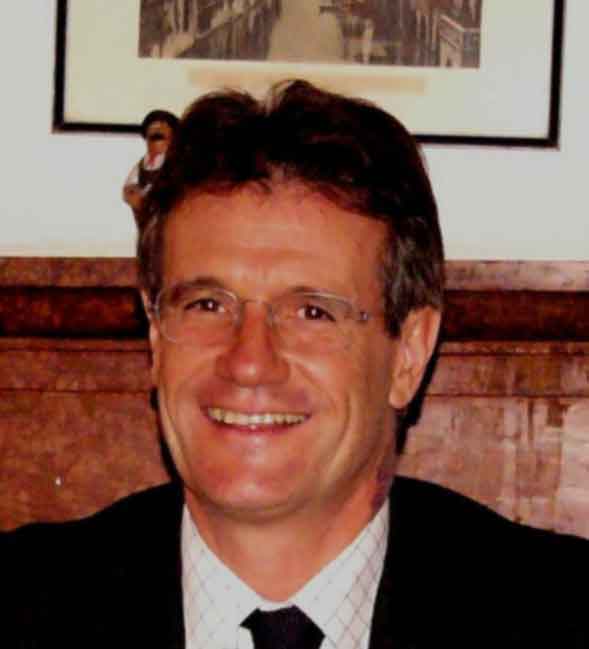



 pietro.schiro@univr.it

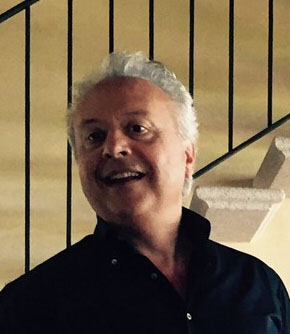
 diego.tilola@univr.it
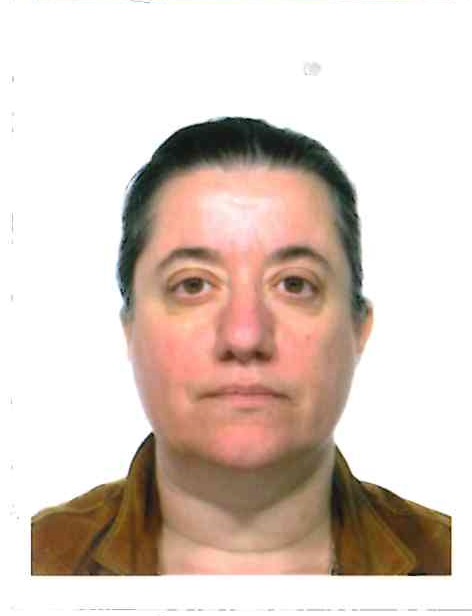

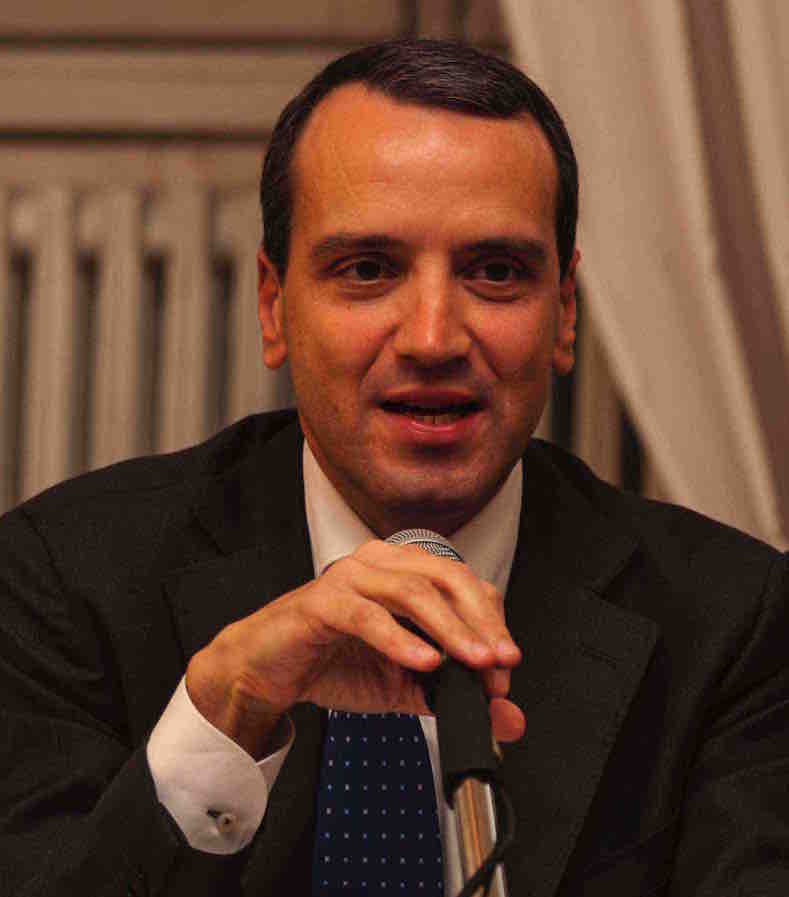
Study Plan
The Study Plan includes all modules, teaching and learning activities that each student will need to undertake during their time at the University.
Please select your Study Plan based on your enrollment year.
1° Year
| Modules | Credits | TAF | SSD |
|---|
2° Year activated in the A.Y. 2023/2024
| Modules | Credits | TAF | SSD |
|---|
6 modules among the following| Modules | Credits | TAF | SSD |
|---|
| Modules | Credits | TAF | SSD |
|---|
6 modules among the following| Modules | Credits | TAF | SSD |
|---|
Legend | Type of training activity (TTA)
TAF (Type of Educational Activity) All courses and activities are classified into different types of educational activities, indicated by a letter.
International trade and investment law (2023/2024)
Teaching code
4S009821
Coordinator
Credits
6
Language
English
Scientific Disciplinary Sector (SSD)
IUS/13 - INTERNATIONAL LAW
Period
1° periodo lezioni (1B) dal Nov 6, 2023 al Dec 15, 2023.
Courses Single
Authorized

Learning objectives
The course is included in the learning area on Internationalization of the markets. The course aims to provide students with the legal framework relating to the international trade and investment law in the context of the globalized world economy (World Trade Organization, bilateral investment treaties, and free trade agreements).
At the end of the course, students will be able to identify, outline and explain the basic principles that apply in international trade matters. They will be able also to identify, evaluate and compare standards and investment protection procedures in different countries.
Students will also acquire the ability to face and solve practical problems typical of the professional context in which they will operate, thus orienting their competence to the goal of contractual compliance and to the prevention of the judicial conflicts. Students will also be able to verify the practical and applicative consequences of the theoretical and regulatory framework and to set, in written and oral form (and also through group work, written exercises and the method of Problem Based Solving - PBS), the solution to concrete issues, using the appropriate and specific disciplinary vocabulary, adopting the correct lines of reasoning and argumentation, and formulating autonomous judgments. The teaching method used is functional to the continuous learning and updating of acquired knowledge.
Program
Analysis of the WTO, bilateral investment treaties and free trade agreements:
1) Introduction to international trade and investment law as part of international economic law
2) WTO
- Institutional aspects (GATT, creation of the WTO...)
- Substantive aspects (Governing principles and key rules, eg Most-favoured Nation clause...)
-Dispute settlement (Dispute settlement body, panel, appellate body, Multi-Party Interim Appeal Arbitration Arrangement...)
3) Investment law
- Institutional aspects (specificity of arbitration, arbitration centres, on-going reforms...)
- Substantive aspects (protection of foreign investors, eg indirect expropriation... ; protection of public interests, eg obligations upon investors...)
-Dispute settlement (arbitral procedure, alternatives to investor-state arbitration...)
Didactic methods
The course is delivered through in-class explanations. Students are offered the opportunity to actively participate. All students are asked during the course to share with the audience the output of their work on the proposed assignment.
Learning assessment procedures
The exam consists in an oral exam.
It is a close-book exam which lasts 20 minutes.
There is no preparation time before the exam starts, but students are of course offered the time to prepare their answer before answering each question.
The materials for the exam consist in the explanations provided in class and the content of the slides.
Evaluation criteria
Knowledge of the explanations provided in class and the content of the slides.
Clarity of the answers provided.
Criteria for the composition of the final grade
The evaluation between 18 and 20 means that the student has
a sufficient, yet basic knowledge of the course materials.
The evaluation between 20 and 25 means that the student has a more than sufficient knowledge of the course materials.
The evaluation between 25 and 29 means that the student has a good or very good knowledge of the course materials.
The evaluation between 30 and 30 cum laude means that the student has a very good or excellent knowledge.
Exam language
English
Type D and Type F activities
Le attività che consentono l’acquisizione dei crediti riservati alle attività formative a libera scelta dello studente (TAF D) sono le seguenti:
- Un insegnamento previsto nell’elenco delle attività formative (TAF D) allegato al piano didattico del corso di laurea in Diritto per le tecnologie e l’innovazione sostenibile;
- Un insegnamento attivato nei Corsi di studi afferenti al Collegio didattico;
- Un laboratorio didattico attivato nei Corsi di studi afferenti al Collegio didattico;
- Un laboratorio didattico attivato nei Corsi di studi afferenti al Dipartimento di Scienze Giuridiche;
- Un insegnamento previsto dall’Offerta Formativa di Ateneo, non impartito nell’ambito dei corsi di studi afferenti al Collegio didattico: il riconoscimento dei crediti acquisiti sarà subordinato alla preventiva presentazione di coerenti programmi formativi valutati dalla Commissione istruttoria per la didattica e approvati dal Collegio didattico.
- Attività formative organizzate dai singoli docenti del Collegio didattico o del Dipartimento di Scienze Giuridiche: previa approvazione del Collegio ad esse verrà attribuito, dopo un’apposita verifica, un credito per ogni 6 ore di frequenza obbligatoria;
- Attività formative che implicano la partecipazione a convegni o seminari organizzati sotto il “logo” del Dipartimento di Scienze Giuridiche o dell’Ateneo: devono essere preventivamente approvate dal Collegio didattico indicando un docente di riferimento del Collegio didattico ovvero del Dipartimento di Scienze Giuridiche. Un credito per ogni giornata di convegno o di seminario si acquisisce dopo apposita verifica che dimostri l’avvenuta fruizione culturale del tema del convegno o del seminario.
Le attività che consentono l’acquisizione dei crediti riservati alle ulteriori attività formative (TAF F) sono le seguenti:
• Ulteriori competenze linguistiche (3 CFU);
• Stage;
• Un laboratorio didattico attivato nei Corsi di studi afferenti al Collegio didattico;
• Un laboratorio didattico attivato nei Corsi di studi afferenti al Dipartimento di Scienze Giuridiche.
Al link Compilazione del piano didattico - Giurisprudenza le informazioni e la modulistica per l'inserimento di attività non selezionabili in autonomia dallo studente in sede di compilazione del piano degli studi.
| years | Modules | TAF | Teacher |
|---|---|---|---|
| 1° 2° | CONFLICT. RECOGNIZE, PREVENT, MANAGE | D |
Annalisa Ciampi
(Coordinator)
|
| 1° 2° | Conflict. Recognize, prevent, manage | D |
Annalisa Ciampi
(Coordinator)
|
| 1° 2° | Conflict. Recognize, prevent, manage | D |
Annalisa Ciampi
(Coordinator)
|
| 1° 2° | Building a green and sustainable Europe | D |
Caterina Fratea
(Coordinator)
|
| 1° 2° | Landscape and law in the Veneto region. A course of lectures | D |
Matteo Nicolini
(Coordinator)
|
| 1° 2° | Lab.: Laboratorio di tecnica di redazione dei contratti | D |
Andrea Caprara
(Coordinator)
|
| 1° 2° | The fashion lab (2 ECTS) | D |
Caterina Fratea
(Coordinator)
|
| years | Modules | TAF | Teacher |
|---|---|---|---|
| 1° 2° | An introduction to Project Management | D |
Matteo Nicolini
(Coordinator)
|
| 1° 2° | Infrastrutture, logistica e industria: strategie ed azioni nella nuova globalizzazione | D |
Matteo Nicolini
(Coordinator)
|
| years | Modules | TAF | Teacher |
|---|---|---|---|
| 1° 2° | CONFLICT. RECOGNIZE, PREVENT, MANAGE | D |
Annalisa Ciampi
(Coordinator)
|
| 1° 2° | Conflict. Recognize, prevent, manage | D |
Annalisa Ciampi
(Coordinator)
|
| 1° 2° | Conflict. Recognize, prevent, manage | D |
Annalisa Ciampi
(Coordinator)
|
| 1° 2° | Building a green and sustainable Europe | D |
Caterina Fratea
(Coordinator)
|
| 1° 2° | Future's Festival | D |
Francesca Ragno
(Coordinator)
|
| 1° 2° | Lab.: Laboratorio di tecnica di redazione dei contratti | D |
Andrea Caprara
(Coordinator)
|
| 1° 2° | Laboratori strumenti apprendimento DSA | D |
Fabio Ferrari
(Coordinator)
|
| 1° 2° | The fashion lab (2 ECTS) | D |
Caterina Fratea
(Coordinator)
|
| 1° 2° | Tai-Ti aiuto io | F |
Alessandra Cordiano
(Coordinator)
|
| years | Modules | TAF | Teacher |
|---|---|---|---|
| 1° 2° | Lab.: Laboratorio di tecnica di redazione dei contratti | D |
Andrea Caprara
(Coordinator)
|
| 1° 2° | The fashion lab (2 ECTS) | D |
Caterina Fratea
(Coordinator)
|
| years | Modules | TAF | Teacher | |
|---|---|---|---|---|
| 1° | Legal English B2 | F |
Francesca Ragno
|
|
| 1° 2° | Lab.: Laboratorio di tecnica di redazione dei contratti | D |
Andrea Caprara
(Coordinator)
|
|
| 1° 2° | The fashion lab (2 ECTS) | D |
Caterina Fratea
(Coordinator)
|
|
Career prospects
Module/Programme news
News for students
There you will find information, resources and services useful during your time at the University (Student’s exam record, your study plan on ESSE3, Distance Learning courses, university email account, office forms, administrative procedures, etc.). You can log into MyUnivr with your GIA login details: only in this way will you be able to receive notification of all the notices from your teachers and your secretariat via email and soon also via the Univr app.
Internships
Internships are aimed at enabling students to gain direct knowledge of the world of work and to acquire specific professional skills.
Internships are carried out under the responsibility of an individual lecturer, and can be carried out in professional firms, public administration bodies and companies recognised by the University of Verona.
Any CFU credits gained by doing internships will be recognised and recorded by the University in accordance with the relevant University regulations in force (Regolamento d’Ateneo per il riconoscimento dei crediti maturati negli stage universitari).
For further information on internships, please go to: https://www.univr.it/it/i-nostri-servizi/stage-e-tirocini.
