Studying at the University of Verona
Here you can find information on the organisational aspects of the Programme, lecture timetables, learning activities and useful contact details for your time at the University, from enrolment to graduation.
Academic calendar
The academic calendar shows the deadlines and scheduled events that are relevant to students, teaching and technical-administrative staff of the University. Public holidays and University closures are also indicated. The academic year normally begins on 1 October each year and ends on 30 September of the following year.
Course calendar
The Academic Calendar sets out the degree programme lecture and exam timetables, as well as the relevant university closure dates..
| Period | From | To |
|---|---|---|
| Sem. 1A | Sep 26, 2022 | Nov 5, 2022 |
| Sem. 1B | Nov 14, 2022 | Dec 23, 2022 |
| Sem. 2A | Feb 13, 2023 | Mar 30, 2023 |
| Sem. 2B | Apr 11, 2023 | May 27, 2023 |
| Session | From | To |
|---|---|---|
| Sessione Invernale | Jan 9, 2023 | Feb 11, 2023 |
| Sessione Estiva | Jun 5, 2023 | Jul 22, 2023 |
| Sessione Autunnale | Aug 28, 2023 | Nov 23, 2023 |
| Sessione straordinaria invernale | Jan 8, 2024 | Feb 17, 2024 |
| Session | From | To |
|---|---|---|
| Sessione Estiva | Jul 10, 2023 | Jul 15, 2023 |
| Sessione Autunnale | Nov 6, 2023 | Nov 11, 2023 |
| Sessione invernale | Apr 2, 2024 | Apr 8, 2024 |
| Period | From | To |
|---|---|---|
| Festa di Ognissanti | Nov 1, 2022 | Nov 1, 2022 |
| Festività Della Immacolata Concezione | Dec 8, 2022 | Dec 8, 2022 |
| Vacanze natalizie | Dec 24, 2022 | Jan 8, 2023 |
| Vacanze di Pasqua | Apr 7, 2023 | Apr 10, 2023 |
| Festa della Liberazione | Apr 25, 2023 | Apr 25, 2023 |
| Festa del lavoro | May 1, 2023 | May 1, 2023 |
| Festa del Santo Patrono | May 21, 2023 | May 21, 2023 |
| Festa della Repubblica | Jun 2, 2023 | Jun 2, 2023 |
| Chiusura estiva | Aug 14, 2023 | Aug 19, 2023 |
Exam calendar
Exam dates and rounds are managed by the relevant Humanistic Studies Teaching and Student Services Unit.
To view all the exam sessions available, please use the Exam dashboard on ESSE3.
If you forgot your login details or have problems logging in, please contact the relevant IT HelpDesk, or check the login details recovery web page.
Should you have any doubts or questions, please check the Enrollment FAQs
Academic staff
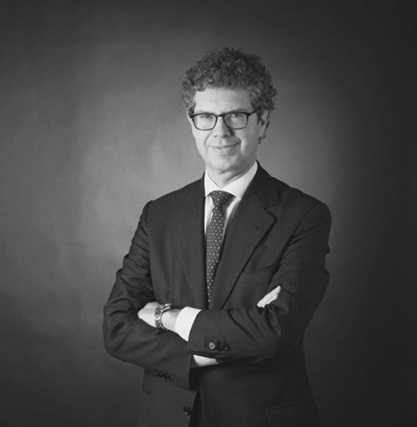
 045 802 8691 (VR) 0444 393931 (VI)
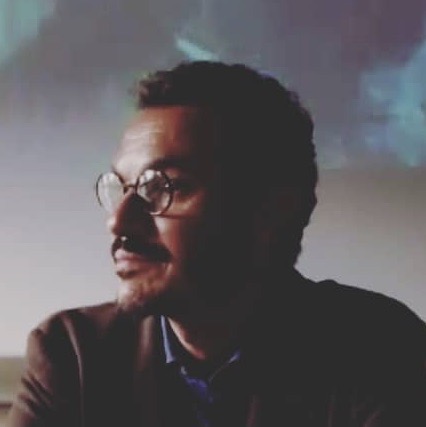
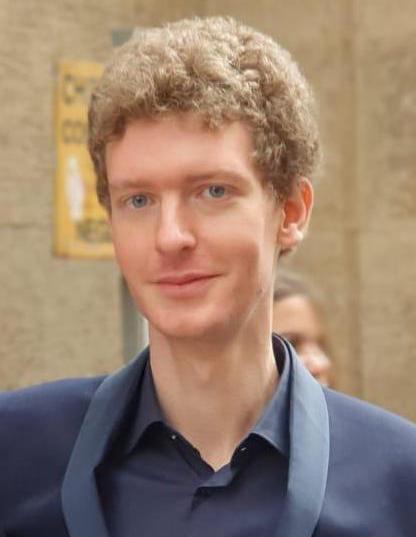

 tamara.fioroni@univr.it














Study Plan
The Study Plan includes all modules, teaching and learning activities that each student will need to undertake during their time at the University.
Please select your Study Plan based on your enrollment year.
1° Year
| Modules | Credits | TAF | SSD |
|---|
2° Year activated in the A.Y. 2023/2024
| Modules | Credits | TAF | SSD |
|---|
2 modules among the following3° Year It will be activated in the A.Y. 2024/2025
| Modules | Credits | TAF | SSD |
|---|
2 modules among the following| Modules | Credits | TAF | SSD |
|---|
| Modules | Credits | TAF | SSD |
|---|
2 modules among the following| Modules | Credits | TAF | SSD |
|---|
2 modules among the following| Modules | Credits | TAF | SSD |
|---|
Legend | Type of training activity (TTA)
TAF (Type of Educational Activity) All courses and activities are classified into different types of educational activities, indicated by a letter.
Fundamentals of strategic thinking (2024/2025)
Teaching code
4S010558
Teacher
Not yet assigned
Credits
6
Language
Italian
Scientific Disciplinary Sector (SSD)
M-FIL/01 - THEORETICAL PHILOSOPHY
Period
Sem. 2A, Sem. 2B
Courses Single
Authorized
Learning objectives
The course aims to provide a valid conceptual framework for an analytical and critical reflection on the contemporary world in relation to the theoretical evolution of strategic thinking. Concrete examples drawn from the history of the Middle and Far East, the Indian subcontinent, the different practices of struggle and resistance of minorities will be highlighted.
Learning assessment procedures
At the end of the course, students should be able to:
- to understand the texts in the syllabus, in order to refine their skills of analysis, contextualisation and interpretation;
- critically re-elaborate the themes addressed through a conscious use of the conceptuality of strategic thinking;
- to analyse historical and political situations and experiences, applying the knowledge acquired.
Type D and Type F activities
I crediti liberi a scelta dello/a studente (ambito “D”) sono 12 ed hanno lo scopo di offrire allo/a studente la possibilità di personalizzare il proprio percorso formativo permettendo di approfondire uno o più argomenti di particolare interesse legati al proprio percorso accademico. Una quota dei crediti corrispondenti all’attività formativa dell’intero triennio, determinata dal presente Regolamento in dodici CFU, è riservata alla scelta autonoma da parte della/o studente. Questa scelta può essere orientata verso corsi/esami non seguiti/sostenuti in precedenza, sia ancora verso altre attività (come partecipazione a convegni e/o attività seminariali), purché tutte preventivamente approvate dal Collegio Didattico.
Altre informazioni sono reperibili nella Guida per i crediti liberi che è possibile trovare quì
COMPETENZE TRASVERSALI
Scopri i percorsi formativi promossi dal Teaching and learning centre dell'Ateneo, destinati agli studenti iscritti ai corsi di laurea, volti alla promozione delle competenze trasversali:
https://talc.univr.it/it/competenze-trasversali
| years | Modules | TAF | Teacher |
|---|---|---|---|
| 1° | International emergencies and armed conflicts | D |
Olivia Guaraldo
(Coordinator)
|
| years | Modules | TAF | Teacher |
|---|---|---|---|
| 1° | The end of Globalization?: Dialogues on a changing world | D |
Olivia Guaraldo
(Coordinator)
|
| 1° | OMeGA - Horizons, Models and Assisted Parenting | D |
Alessandra Cordiano
(Coordinator)
|
| years | Modules | TAF | Teacher |
|---|---|---|---|
| 1° | Iran, gender differences and political representation | D |
Massimo Prearo
(Coordinator)
|
| 1° | The end of Globalization?: Dialogues on a changing world | D |
Olivia Guaraldo
(Coordinator)
|
| 1° | OMeGA - Horizons, Models and Assisted Parenting | D |
Alessandra Cordiano
(Coordinator)
|
| 1° | University and DSA: Methods and strategies for studying and studying at university | D |
Ivan Traina
(Coordinator)
|
| years | Modules | TAF | Teacher |
|---|---|---|---|
| 1° | The Talks of EThoS Research Centre | D |
Carlo Chiurco
(Coordinator)
|
Career prospects
Module/Programme news
News for students
There you will find information, resources and services useful during your time at the University (Student’s exam record, your study plan on ESSE3, Distance Learning courses, university email account, office forms, administrative procedures, etc.). You can log into MyUnivr with your GIA login details: only in this way will you be able to receive notification of all the notices from your teachers and your secretariat via email and soon also via the Univr app.
Prova Finale
La prova finale, cui sono attribuiti 6 CFU, consiste nella preparazione e discussione di un elaborato scritto volto ad approfondire una tematica concordata con la/il docente relatrice/tore. La tematica dell’elaborato dovrà essere inerente al curriculum della/o candidata/o. La/lo studente dovrà avvalersi della supervisione del docente relatore, che può essere qualunque docente appartenente al Collegio Didattico cui afferisce il Corso di Studio, inclusi i docenti a contratto. La/lo studente dovrà aver superato almeno un esame afferente al settore scientifico-disciplinare di appartenenza del docente relatore.
La discussione dell’elaborato finale avviene alla presenza di una Commissione Istruttoria composta dalla/dal relatrice/tore della/del laureanda/o e da una/un altra/o docente, vale a dire la/il correlatrice/tore. La discussione della prova finale avviene in un periodo di tempo che precederà la proclamazione. Il giorno e l’orario preciso della discussione verranno comunicati alla/o laureanda/o dal/la propria/o relatrice/tore.
Superata la discussione dell’elaborato, la proclamazione con comunicazione del voto di laurea avverrà nel periodo indicato nel calendario didattico. Il giorno, l'ora e le modalità di proclamazione sono resi noti con la pubblicazione del Calendario Lauree Commissioni Triennali.
Possono far parte della Commissione Istruttoria anche docenti ed esperti esterni.
La Commissione di Proclamazione dispone di centodieci punti; il voto minimo per il superamento della prova finale è di 66/110; alla/al candidata/o che abbia ottenuto il massimo dei voti, può essere conferita all’unanimità la menzione della “lode”.
Di norma la Commissione Istruttoria può proporre di attribuire fino ad un massimo di 8 punti per l’elaborato finale. Per la determinazione del voto di laurea, la media dei voti d’esame è calcolata tenendo conto di tutte le prove, in qualsiasi ambito del piano di studio individuale siano inserite, che diano luogo a un voto espresso in trentesimi. Tale media è ponderata in base al numero di CFU corrispondenti a ciascuna prova. A tale media sono aggiunti fino ad un massimo di 4 punti, distribuiti nel seguente modo:
- 0,5 punti per ogni lode fino ad un massimo di due punti;
- 2 punti per chi abbia conseguito almeno 2CFU all’estero;
- 1 punto per la conclusione degli studi nel periodo previsto;
- 1 punto per l’acquisizione di 40 CFU entro il primo anno di studi.
La Commissione di Proclamazione, visto il punteggio di base, visti i punteggi aggiuntivi, visto il punteggio attribuito dalla Commissione Istruttoria all’elaborato finale, vista la eventuale proposta di lode della Commissione Istruttoria, attribuisce la lode se si verificano entrambe le condizioni seguenti: 1) la somma del punteggio di base, dei punteggi aggiuntivi e della valutazione per l’elaborato finale risulta maggiore o uguale a 110; 2) La Commissione Istruttoria ha proposto la lode.
L’elaborato potrà essere redatto anche in una lingua diversa dall’italiano, previa approvazione della/del docente relatrice/tore e del Collegio Didattico. La discussione dell’elaborato finale dovrà essere condotta in italiano o, in alternativa e previa approvazione della/del docente relatrice/tore e del Collegio Didattico, in inglese, per gli elaborati scritti in lingua diversa dall’italiano.
Stage e Tirocini
Gestione carriere
Linguistic training CLA
Tutorato per gli studenti
Per orientare e assistere gli studenti lungo tutto il percorso di formazione, ad alcuni docenti sono affidati compiti di tutorato: prof.ssa Valentina Moro e prof. Lorenzo Bernini.
E' attivo un servizio di tutorato da parte di studenti della laurea magistrale in Governance dell'emergenza; per l'A.A. 2022-2023, fino al 30 novembre 2023 l'attività sarà svolta dai seguenti studenti:
Lucia Saviane (lucia.saviane@studenti.univr.it), disponibile ogni mercoledì dalle 10 alle 13.
Leonardo Catarinelli (leonardo.catarinelli@studenti.univr.it) , disponibile ogni giovedì dalle 15 alle 18.
Il ricevimento potrà essere svolto in presenza (luogo da definire) o via Zoom, previo accordo via mail istituzionale.
Student login and resources
Practical information for students
Documents
| Title | Info File |
|---|---|
 1 - Guida per lo studente - AGGIORNAMENTO 2022
|
pdf, it, 325 KB, 02/05/23 |
|
2 - Guida per lo studente - AGGIORNAMENTO 2020
|
pdf, it, 212 KB, 02/05/23 |
|
3 - Guida per lo studente - AGGIORNAMENTO 2013
|
pdf, it, 131 KB, 02/05/23 |
