Studying at the University of Verona
Here you can find information on the organisational aspects of the Programme, lecture timetables, learning activities and useful contact details for your time at the University, from enrolment to graduation.
Academic calendar
The academic calendar shows the deadlines and scheduled events that are relevant to students, teaching and technical-administrative staff of the University. Public holidays and University closures are also indicated. The academic year normally begins on 1 October each year and ends on 30 September of the following year.
Course calendar
The Academic Calendar sets out the degree programme lecture and exam timetables, as well as the relevant university closure dates..
| Period | From | To |
|---|---|---|
| Annuale (Lingue e letterature straniere) | Sep 25, 2023 | May 25, 2024 |
| I semestre (Lingue e letterature straniere) | Sep 25, 2023 | Dec 22, 2023 |
| II semestre (Lingue e letterature straniere) | Feb 19, 2024 | May 25, 2024 |
| Session | From | To |
|---|---|---|
| ESAMI LINGUE - sessione invernale | Jan 8, 2024 | Feb 10, 2024 |
| ESAMI LINGUE - sessione estiva | May 27, 2024 | Jul 20, 2024 |
| ESAMI LINGUE - sessione autunnale | Aug 26, 2024 | Sep 21, 2024 |
| Session | From | To |
|---|---|---|
| LAUREE LINGUE - sessione autunnale (a.a. 2022-2023) | Nov 6, 2023 | Nov 11, 2023 |
| LAUREE LINGUE - sessione straordinaria (a.a. 2022-2023) | Apr 2, 2024 | Apr 8, 2024 |
| LAUREE LINGUE - sessione estiva (a.a. 2023-2024) | Jul 8, 2024 | Jul 13, 2024 |
| Period | From | To |
|---|---|---|
| Festa di Ognissanti | Nov 1, 2023 | Nov 1, 2023 |
| Festa dell'Immacolata | Dec 8, 2023 | Dec 8, 2023 |
| LINGUE - Vacanze di Natale | Dec 23, 2023 | Jan 7, 2024 |
| Vacanze di Pasqua | Mar 30, 2024 | Apr 1, 2024 |
| Festa della Liberazione | Apr 25, 2024 | Apr 25, 2024 |
| Festa del Lavoro | May 1, 2024 | May 1, 2024 |
| Festa del Santo Patrono | May 21, 2024 | May 21, 2024 |
| Festa della Repubblica | Jun 2, 2024 | Jun 2, 2024 |
| Vacanze estive | Aug 12, 2024 | Aug 17, 2024 |
Exam calendar
Exam dates and rounds are managed by the relevant Foreign Languages and Literatures Teaching and Student Services Unit.
To view all the exam sessions available, please use the Exam dashboard on ESSE3.
If you forgot your login details or have problems logging in, please contact the relevant IT HelpDesk, or check the login details recovery web page.
Should you have any doubts or questions, please check the Enrollment FAQs
Academic staff
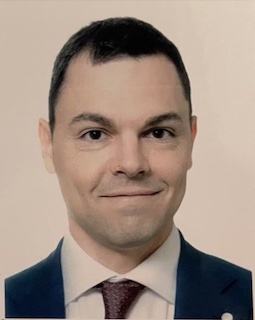
 enrico.andreoli@univr.it
 +39 045 8425329














































Study Plan
The Study Plan includes all modules, teaching and learning activities that each student will need to undertake during their time at the University.
Please select your Study Plan based on your enrollment year.
1° Year
| Modules | Credits | TAF | SSD |
|---|
1st foreign language2nd foreign language1st foreign literature and cultureGerman literature and culture 1
2nd foreign literature and cultureGerman literature and culture 1
2° Year It will be activated in the A.Y. 2024/2025
| Modules | Credits | TAF | SSD |
|---|
1st foreign language2nd foreign language1st foreign literature and culture or a related courseAnglophone literatures and cultures
English literature and culture 2
French literature and culture 2
German literature and culture 2
Spanish literature and culture 2
2nd foreign literature and culture or a related courseAnglophone literatures and cultures
English literature and culture 2
French literature and culture 2
German literature and culture 2
Spanish literature and culture 2
Geography of communication and international trade
Italian literature and culture
Modern and Contemporary Economic History
Theory and Techniques of communication
3° Year It will be activated in the A.Y. 2025/2026
| Modules | Credits | TAF | SSD |
|---|
1st foreign language2nd foreign language| Modules | Credits | TAF | SSD |
|---|
1st foreign language2nd foreign language1st foreign literature and cultureGerman literature and culture 1
2nd foreign literature and cultureGerman literature and culture 1
| Modules | Credits | TAF | SSD |
|---|
1st foreign language2nd foreign language1st foreign literature and culture or a related courseAnglophone literatures and cultures
English literature and culture 2
French literature and culture 2
German literature and culture 2
Spanish literature and culture 2
2nd foreign literature and culture or a related courseAnglophone literatures and cultures
English literature and culture 2
French literature and culture 2
German literature and culture 2
Spanish literature and culture 2
Geography of communication and international trade
Italian literature and culture
Modern and Contemporary Economic History
Theory and Techniques of communication
| Modules | Credits | TAF | SSD |
|---|
1st foreign language2nd foreign language| Modules | Credits | TAF | SSD |
|---|
Legend | Type of training activity (TTA)
TAF (Type of Educational Activity) All courses and activities are classified into different types of educational activities, indicated by a letter.
Italian literature and culture [Tur] (2024/2025)
Teaching code
4S002898
Teacher
Not yet assigned
Credits
6
Language
Italian
Scientific Disciplinary Sector (SSD)
L-FIL-LET/10 - ITALIAN LITERATURE
Period
I semestre (Lingue e letterature straniere) dal Sep 23, 2024 al Dec 21, 2024.
Courses Single
Authorized
Learning objectives
To acquire knowledge about: - authors, works, texts and cultural or literary contexts; some texts among the most important for the national literary identity; - resources needed to comprehend and interpretate texts; - the theme of the relationship between writing and landscape. To acquire competences in: - reading poetry, also in an intertextual view. At the end of the course students will be able to put the texts known in the adequate cultural context, and to analyze them focusing on the main formal aspects, main themes and the dynamic relationship that connects these two levels.
Type D and Type F activities
Soft skills
Find out more about the Soft Skills courses for Univr students provided by the University's Teaching and Learning Centre: https://talc.univr.it/it/competenze-trasversali
Contamination Lab
The Contamination Lab Verona (CLab Verona) is an experiential course with modules on innovation and enterprise culture that offers the opportunity to work in teams with students from all areas to solve challenges set by companies and organisations. Upon completion of a CLab, students will be entitled to receive 6 CFU D (type credit).
Find out more: https://www.univr.it/clabverona
PLEASE NOTE: In order to be admitted to any teaching activities, including those of your choice, you must be enrolled in the academic year in which the activities in question are offered. Students who are about to graduate in the March-April sessions are therefore advised NOT to undertake extracurricular activities in the new academic year in which they are not enrolled, as these graduation sessions are valid for students enrolled in the previous academic year. Therefore, students who undertake an activity in an academic year in which they are not enrolled will not be granted CFU credits.
To discover all the teaching activities accredited by the foreign teaching college click here
Career prospects
Module/Programme news
News for students
There you will find information, resources and services useful during your time at the University (Student’s exam record, your study plan on ESSE3, Distance Learning courses, university email account, office forms, administrative procedures, etc.). You can log into MyUnivr with your GIA login details: only in this way will you be able to receive notification of all the notices from your teachers and your secretariat via email and soon also via the Univr app.
Student login and resources
Gestione carriere
Assegnazione tutore
Attività accreditate D/F
Calendario didattico dettagliato
Cambio lingua curriculare
Competenze informatiche
Competenze linguistiche (prima e seconda lingua)
Competenze linguistiche in triennale (terza lingua CFU F)
Compilazione del piano didattico
Corso di Lingua portoghese
Erasmus+ e altre esperienze all'estero
Linguistic training CLA
Presentazione dei corsi di studio e Open day
Graduation
List of theses and work experience proposals
| Stage | Research area |
|---|---|
| PROGETTO MAMBRINO Stage per bibliografia | Various topics |
Saperi minimi
Stage e tirocini
Nel piano didattico della laurea triennale in Lingue per il turismo e il commercio internazionale (L12) è previsto un periodo di stage obbligatorio (CFU 6) in organizzazioni imprenditoriali.
Le attività di stage sono finalizzate a far acquisire allo studente una conoscenza diretta in settori di particolare interesse per l’inserimento nel mondo del lavoro e per l’acquisizione di abilità professionali specifiche.
Le attività di stage sono svolte sotto la diretta responsabilità di un singolo docente presso studi professionali, enti della pubblica amministrazione, aziende accreditate dall’Ateneo veronese.
I crediti maturati in seguito ad attività di stage saranno attribuiti secondo quanto disposto nel dettaglio dal “Regolamento d’Ateneo per il riconoscimento dei crediti maturati negli stage universitari” vigente.
- Tutte le informazioni in merito agli stage per futuri studenti sono disponibili alla pagina Stage e tirocini.
- Tutte le informazioni in merito agli stage per studenti iscritti sono pubblicate in MyUnivr - come fare per - stage e tirocini.
- Tutte le informazioni in merito agli stage per le aziende sono disponili alla pagina Stage e tirocini per azienze.
Ulteriori informazioni al seguente link https://www.univr.it/it/i-nostri-servizi/gestione-carriere-studenti-lingue-e-letterature-straniere/stage-e-tirocini-lingue-e-letterature-straniere
