Studying at the University of Verona
Here you can find information on the organisational aspects of the Programme, lecture timetables, learning activities and useful contact details for your time at the University, from enrolment to graduation.
Academic calendar
The academic calendar shows the deadlines and scheduled events that are relevant to students, teaching and technical-administrative staff of the University. Public holidays and University closures are also indicated. The academic year normally begins on 1 October each year and ends on 30 September of the following year.
Course calendar
The Academic Calendar sets out the degree programme lecture and exam timetables, as well as the relevant university closure dates..
| Period | From | To |
|---|---|---|
| Sem. 1A | Sep 26, 2022 | Nov 5, 2022 |
| Sem. 1B | Nov 14, 2022 | Dec 23, 2022 |
| Sem. 2A | Feb 13, 2023 | Mar 30, 2023 |
| Sem. 2B | Apr 11, 2023 | May 27, 2023 |
| Session | From | To |
|---|---|---|
| Sessione Invernale | Jan 9, 2023 | Feb 11, 2023 |
| Sessione Estiva | Jun 5, 2023 | Jul 22, 2023 |
| Sessione Autunnale | Aug 28, 2023 | Nov 23, 2023 |
| Sessione straordinaria invernale | Jan 8, 2024 | Feb 17, 2024 |
| Session | From | To |
|---|---|---|
| Sessione Estiva | Jul 10, 2023 | Jul 15, 2023 |
| Sessione Autunnale | Nov 6, 2023 | Nov 11, 2023 |
| Sessione invernale | Apr 2, 2024 | Apr 8, 2024 |
| Period | From | To |
|---|---|---|
| Festa di Ognissanti | Nov 1, 2022 | Nov 1, 2022 |
| Festività Della Immacolata Concezione | Dec 8, 2022 | Dec 8, 2022 |
| Vacanze natalizie | Dec 24, 2022 | Jan 8, 2023 |
| Vacanze di Pasqua | Apr 7, 2023 | Apr 10, 2023 |
| Festa della Liberazione | Apr 25, 2023 | Apr 25, 2023 |
| Festa del lavoro | May 1, 2023 | May 1, 2023 |
| Festa del Santo Patrono | May 21, 2023 | May 21, 2023 |
| Festa della Repubblica | Jun 2, 2023 | Jun 2, 2023 |
| Chiusura estiva | Aug 14, 2023 | Aug 19, 2023 |
Exam calendar
Exam dates and rounds are managed by the relevant Humanistic Studies Teaching and Student Services Unit.
To view all the exam sessions available, please use the Exam dashboard on ESSE3.
If you forgot your login details or have problems logging in, please contact the relevant IT HelpDesk, or check the login details recovery web page.
Should you have any doubts or questions, please check the Enrollment FAQs
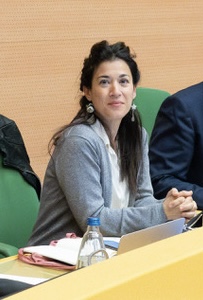
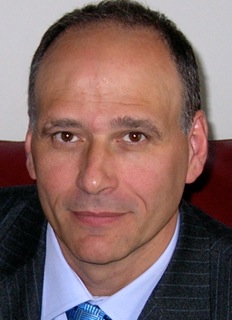
Academic staff
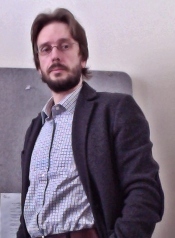
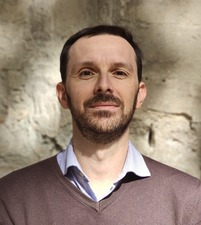
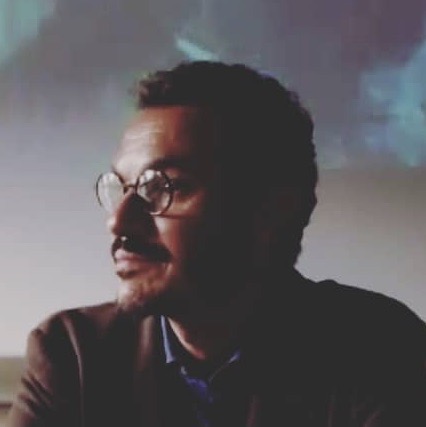




 evita.calabrese@univr.it
 andrea.cavalletti@univr.it

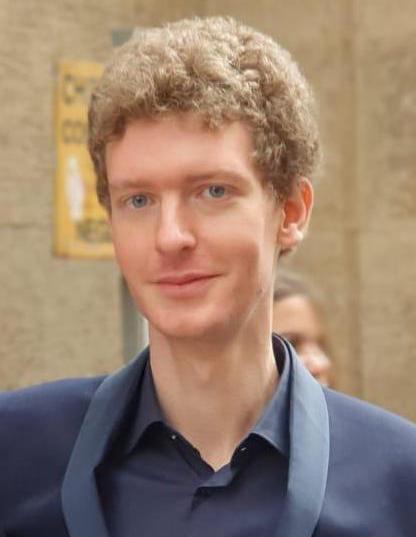
 elena.desilvestri@univr.it



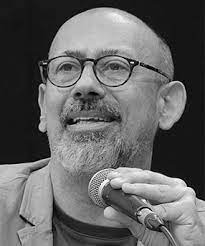

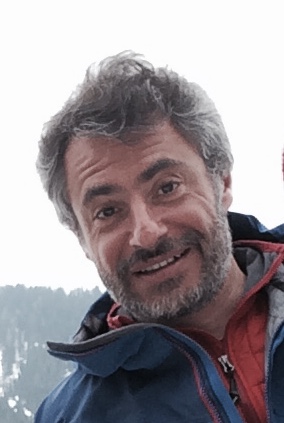 giacomo.mormino@univr.it
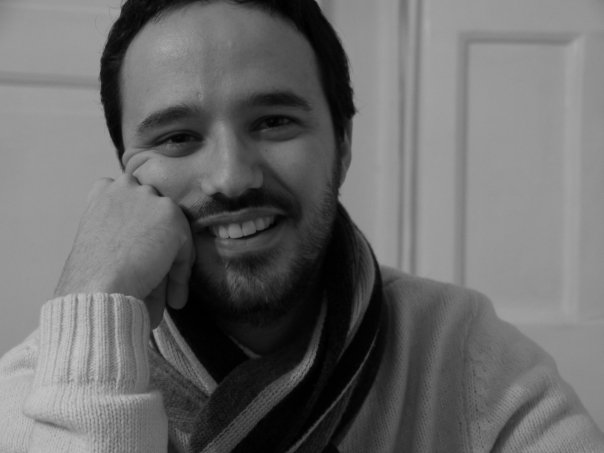
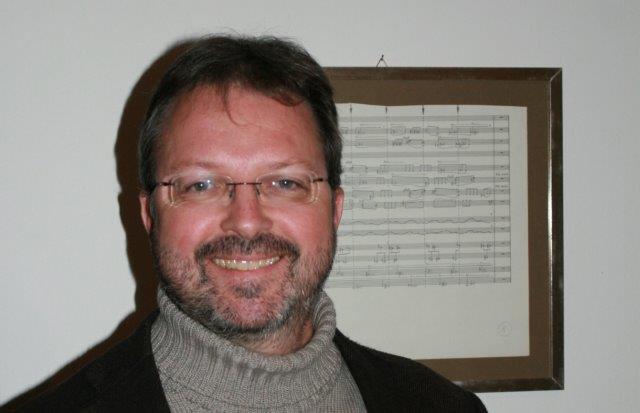
 sofia.piacentin@univr.it
 pieralberto.porcedducilione@univr.it; pierre_pordd@yahoo.it
 045 8028732








 nicola.turrini@univr.it

 mariarenata.zanchin@univr.it
Study Plan
The Study Plan includes all modules, teaching and learning activities that each student will need to undertake during their time at the University.
Please select your Study Plan based on your enrollment year.
1° Year
| Modules | Credits | TAF | SSD |
|---|
Further activities2° Year activated in the A.Y. 2023/2024
| Modules | Credits | TAF | SSD |
|---|
2 modules between the following3 modules among the following2 modules between the following3° Year It will be activated in the A.Y. 2024/2025
| Modules | Credits | TAF | SSD |
|---|
3 modules among the following| Modules | Credits | TAF | SSD |
|---|
Further activities| Modules | Credits | TAF | SSD |
|---|
2 modules between the following3 modules among the following2 modules between the following| Modules | Credits | TAF | SSD |
|---|
3 modules among the following| Modules | Credits | TAF | SSD |
|---|
2 modules among the following3 modules among the followingLegend | Type of training activity (TTA)
TAF (Type of Educational Activity) All courses and activities are classified into different types of educational activities, indicated by a letter.
General Didactics (2023/2024)
Teaching code
4S007524
Teacher
Coordinator
Credits
6
Language
Italian
Scientific Disciplinary Sector (SSD)
M-PED/03 - METHODOLOGIES OF TEACHING AND SPECIAL EDUCATION
Period
Sem. 1A dal Sep 25, 2023 al Nov 4, 2023.
Courses Single
Authorized

Learning objectives
General Didactics concerns the main tenets and criteria of education. Knowledge and comprehension: Knowledge of the main issues concerning the theory and practics of education.
Abilities: Students will be able to adequately focus on the main lines of the reflection on education, as well as its most important practical applications.
Prerequisites and basic notions
Care of relational and communication skills in daily life supported by personal reflection activities.
Basic knowledge iabout pedagogy (correlation with philosophy, value of the educational act in human relationships) and developmental psychology (essential characteristics of the development stages by J. Piaget).
Program
School as a system in the relationship with the extra-school world.
- National and European context.
- Vertical curriculum and continuity.
- Student and learning processes: psycho-pedagogical assumptions of learner centered teaching; meaningful and situated understanding and personal skills, learning beyond the cognitive dimensions: motivational, relational, metacognitive dimensions; online learning and technologies.
- Authentic, formative assessment and its tools, student self-assessment.
- Construction of the "learning environment": the classroom as an inclusive community, strategies for understanding; authentic / real tasks and their organisation in learning units; from the experience of "distance learning" to blended teaching: technology and web resources.
- The formative role of the discipline. The formative role of philosophy and its relationship with pedagogy and psychology. Philosophy and ethics beyond human, for environmental as well as social sustainability, in the perspective of the 2030 Agenda.
- Teacher professionalism: action research, reflective skills, documentation; team designing and teaching, internal relations (class council, department, college of teachers) and external to the Institute (associations and local authorities).
Bibliography
Learning assessment procedures
Learning assessment will consist of:
1 the PERSONAL PORTFOLIO of the student consisting of the following activities (up to 10 points):
A. Production of a learning path in cooperative learning.. Score: up to 4 points.
B. Individual written text of personal reflection on the design of the learning path. Score: up to 6 points.
2 An ORAL INTERVIEW (max 20 points), consisting of:
A. Answer that highlights the ability to reconstruct the work carried out, describe the contribution given to the team work,
connect the theories learned in the course with the practice of educational planning. Score: up to 4 points.
B. Answer to a question by understanding on a topic
addressed by the texts in the bibliography and answer to a question of understanding on a topic addressed in the lessons of the course (slide and attachments) Score: up to 10 points.
C. Answer to a question of understanding about European Recommendations and Frameworks, National Competence Certifications. Score: up to 6 points.
Evaluation criteria
1. ASSESSMENT OF THE PERSONAL PORTFOLIO
A. Learning path produced in the classroom in cooperative learning groups.
Criteria to assess the processes developed during the design:
cooperation in the working group;
design of operational paths.
Criteria to assess the product:
quality of the task to be assigned to the students and
quality of the didactic work plan, relevance of the chosen
evaluation evidence.
B. Personal reflection on the Learning Unit produced
Criteria to assess the product:
illustration of the didactic function of the learning path (highlighting its advantages and possible limitations),
description of the format used, reflection on the
evaluation approach and indications on useful evaluation
tools;
exposure;
knowledge processing.
2. ASSESSMENT OF THE ORAL INTERVIEW
The assessment criteria for the answers given to the questions of the oral interview will be:
completeness
exposure
knowledge organization
critical analysis skills
Criteria for the composition of the final grade
PERSONAL PORTFOLIO
up to 10 points divided as follows
production of learning path: up to 4 points;
personal reflection about the learning path: Up to 6 points.
ORAL INTERVIEW
up to 20 points divided as follows
answer that highlights the ability to reconstruct the work carried out, describe the contribution given to the team work,
connect the theories learned in the course with the practice of educational planning. Score: up to 4 points:
answer to a question by understanding on a topic
addressed by the texts in the bibliography and answer to a question of understanding on a topic addressed in the lessons of the course (slide and attachments) Score: up to 10 points;
answer to an understanding question on one of the following topics: Recommendations, European frameworks, National certification of competences for the secondary school: up to 6 points.
Exam language
Italiano
Type D and Type F activities
Una quota dei crediti corrispondenti all’attività formativa dell’intero triennio, determinata dal presente Regolamento in 12 CFU, è riservata alla scelta autonoma da parte della/o studente. Questa scelta può essere orientata sia verso corsi/esami non seguiti/sostenuti in precedenza, sia verso iterazioni di corsi/esami, sia ancora verso altre attività (tutorati, ulteriori competenze linguistiche, partecipazione a convegni o seminari), purché tutte preventivamente approvate dal Collegio Didattico e/o dalla Commissione Didattica del Dipartimento. Tra i 12 crediti dovrà comunque essere presente almeno un esame con voto. In conformità al dettato del D.M. 270/04 e alla luce delle raccomandazioni espresse dal D.M. 26 luglio 2007, capo 3 lettera n), la scelta, che non può essere predeterminata (fatto salvo quanto indicato per le iterazioni), deve comunque essere ispirata a coerenza col piano formativo della/del singola/o studente.
In caso di attività formative non rientranti nelle categorie previste, si dovrà fare richiesta di valutazione al Collegio Didattico di Filosofia fornendo adeguate motivazioni.
Altre informazioni sono reperibili nella Guida per i crediti liberi che è possibile trovare quì
COMPETENZE TRASVERSALI
Scopri i percorsi formativi promossi dal Teaching and learning centre dell'Ateneo, destinati agli studenti iscritti ai corsi di laurea, volti alla promozione delle competenze trasversali:
https://talc.univr.it/it/competenze-trasversali
| years | Modules | TAF | Teacher |
|---|---|---|---|
| 1° 2° 3° | Conflict. Recognize, prevent, manage | D |
Paola Dal Toso
(Coordinator)
|
| 1° 2° 3° | EXPOSED BODIES - Diotima seminar | D |
Rosanna Cima
(Coordinator)
|
| 1° 2° 3° | The Talks of EThoS Research Centre | D |
Carlo Chiurco
(Coordinator)
|
| 1° 2° 3° | III Reading seminar of classical texts | D |
Alessandro Stavru
(Coordinator)
|
| 1° 2° 3° | X National Conference of the Italian Society of Applied Anthropology (SIAA) “Rethinking Sustainability through Applied Anthropology” | D |
Stefania Pontrandolfo
(Coordinator)
|
| years | Modules | TAF | Teacher |
|---|---|---|---|
| 1° 2° 3° | Conflict. Recognize, prevent, manage | D |
Paola Dal Toso
(Coordinator)
|
| 1° 2° 3° | Business English for everybody | D |
Manuel Boschiero
(Coordinator)
|
| 1° 2° 3° | Russian for everybody | D |
Maria Gabriella Landuzzi
(Coordinator)
|
| 1° 2° 3° | The Talks of EThoS Research Centre | D |
Carlo Chiurco
(Coordinator)
|
| 1° 2° 3° | III Reading seminar of classical texts | D |
Alessandro Stavru
(Coordinator)
|
| 1° 2° 3° | La materia oscura dello sguardo | D |
Gianluca Solla
(Coordinator)
|
| 1° 2° 3° | X National Conference of the Italian Society of Applied Anthropology (SIAA) “Rethinking Sustainability through Applied Anthropology” | D |
Stefania Pontrandolfo
(Coordinator)
|
| years | Modules | TAF | Teacher |
|---|---|---|---|
| 1° 2° 3° | The Talks of EThoS Research Centre | D |
Carlo Chiurco
(Coordinator)
|
| 1° 2° 3° | III Reading seminar of classical texts | D |
Alessandro Stavru
(Coordinator)
|
| 1° 2° 3° | Gnoseology and Metaphysics Workshop | D |
Davide Poggi
(Coordinator)
|
| 1° 2° 3° | OMeGA - Horizons, Models and Assisted Parenting | D |
Alessandra Cordiano
(Coordinator)
|
| 1° 2° 3° | Tai-Ti aiuto io | D |
Alessandra Cordiano
(Coordinator)
|
| 1° 2° 3° | Making the invisible visible. Study day | D |
Giorgio Gosetti
(Coordinator)
|
| years | Modules | TAF | Teacher |
|---|---|---|---|
| 1° 2° 3° | The Talks of EThoS Research Centre | D |
Carlo Chiurco
(Coordinator)
|
| 1° 2° 3° | III Reading seminar of classical texts | D |
Alessandro Stavru
(Coordinator)
|
| 1° 2° 3° | Gnoseology and Metaphysics Workshop | D |
Davide Poggi
(Coordinator)
|
| 1° 2° 3° | OMeGA - Horizons, Models and Assisted Parenting | D |
Alessandra Cordiano
(Coordinator)
|
| 1° 2° 3° | Tai-Ti aiuto io | D |
Alessandra Cordiano
(Coordinator)
|
| 1° 2° 3° | University and DSA: Methods and strategies for studying and studying at university | D |
Ivan Traina
(Coordinator)
|
Career prospects
Module/Programme news
News for students
There you will find information, resources and services useful during your time at the University (Student’s exam record, your study plan on ESSE3, Distance Learning courses, university email account, office forms, administrative procedures, etc.). You can log into MyUnivr with your GIA login details: only in this way will you be able to receive notification of all the notices from your teachers and your secretariat via email and soon also via the Univr app.
Student mentoring
Linguistic training CLA
Gestione carriere
Practical information for students
Documents
| Title | Info File |
|---|---|
 1 - Guida per lo studente - AGGIORNAMENTO 2022
|
pdf, it, 325 KB, 02/05/23 |
|
2 - Guida per lo studente - AGGIORNAMENTO 2020
|
pdf, it, 212 KB, 02/05/23 |
|
3 - Guida per lo studente - AGGIORNAMENTO 2013
|
pdf, it, 131 KB, 02/05/23 |
Graduation
Documents
| Title | Info File |
|---|---|
|
Adempimenti amministrativi domanda di laurea Aprile 2024 - a.a. 2022/2023
|
pdf, it, 99 KB, 13/10/23 |
|
Adempimenti amministrativi domanda di laurea Luglio 2024-a.a. 2023/2024
|
pdf, it, 101 KB, 10/04/24 |
