Studying at the University of Verona
Here you can find information on the organisational aspects of the Programme, lecture timetables, learning activities and useful contact details for your time at the University, from enrolment to graduation.
Academic calendar
The academic calendar shows the deadlines and scheduled events that are relevant to students, teaching and technical-administrative staff of the University. Public holidays and University closures are also indicated. The academic year normally begins on 1 October each year and ends on 30 September of the following year.
Course calendar
The Academic Calendar sets out the degree programme lecture and exam timetables, as well as the relevant university closure dates..
| Period | From | To |
|---|---|---|
| 1° periodo di lezioni - 12 CFU | Sep 23, 2019 | Dec 14, 2019 |
| 1° periodo di lezioni | Sep 30, 2019 | Dec 14, 2019 |
| Periodo riservato ad eventuali recuperi di lezioni - dicembre 2019 | Dec 16, 2019 | Dec 17, 2019 |
| 2° periodo di lezioni - febbraio/aprile 2020 - 12 CFU | Feb 6, 2020 | Apr 6, 2020 |
| 2° periodo di lezioni - febbraio/aprile 2020 | Feb 10, 2020 | Apr 6, 2020 |
| 2° periodo di lezioni - aprile/maggio 2020 | Apr 15, 2020 | May 7, 2020 |
| 2° periodo di lezioni - aprile/maggio 2020 - 12 CFU | Apr 15, 2020 | May 12, 2020 |
| Periodo riservato ad eventuali recuperi di lezioni - maggio 2020 | May 8, 2020 | May 9, 2020 |
| Session | From | To |
|---|---|---|
| Sessione straordinaria - studenti f.c. e insegnamenti del 1° periodo | Dec 18, 2019 | Dec 23, 2019 |
| Sessione invernale - 1° appello | Jan 8, 2020 | Jan 17, 2020 |
| Sessione invernale - 2° appello | Jan 28, 2020 | Feb 6, 2020 |
| Sessione straordinaria - studenti f.c. - aprile 2020 | Apr 7, 2020 | Apr 9, 2020 |
| Sessione estiva - 3 appelli | May 12, 2020 | Jul 25, 2020 |
| Sessione autunnale - 1° appello | Aug 26, 2020 | Sep 5, 2020 |
| Sessione autunnale - 2° appello | Sep 21, 2020 | Sep 30, 2020 |
| Session | From | To |
|---|---|---|
| Sessione autunnale - ottobre 2019 | Oct 21, 2019 | Oct 22, 2019 |
| Sessione invernale - febbraio 2020 | Feb 7, 2020 | Feb 7, 2020 |
| Sessione invernale - marzo 2020 | Mar 18, 2020 | Mar 20, 2020 |
| Sessione estiva - giugno 2020 | Jun 25, 2020 | Jun 26, 2020 |
| Period | From | To |
|---|---|---|
| Festa di Ognissanti | Nov 1, 2019 | Nov 1, 2019 |
| Festa dell'Immacolata | Dec 8, 2019 | Dec 8, 2019 |
| Vacanze di Natale | Dec 24, 2019 | Jan 6, 2020 |
| Vacanze di Pasqua | Apr 10, 2020 | Apr 14, 2020 |
| Festa della Liberazione | Apr 25, 2020 | Apr 25, 2020 |
| Festa del lavoro | May 1, 2020 | May 1, 2020 |
| Festa del Santo Patrono | May 21, 2020 | May 21, 2020 |
| Festa della Repubblica | Jun 2, 2020 | Jun 2, 2020 |
Exam calendar
Exam dates and rounds are managed by the relevant Law Teaching and Student Services Unit.
To view all the exam sessions available, please use the Exam dashboard on ESSE3.
If you forgot your login details or have problems logging in, please contact the relevant IT HelpDesk, or check the login details recovery web page.
Should you have any doubts or questions, please check the Enrollment FAQs
Academic staff




 045 - 8425324






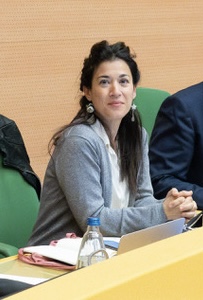

Dalla Massara Tommaso
 tommaso.dallamassara@univr.it
+39 045 8028810
tommaso.dallamassara@univr.it
+39 045 8028810




 andrea.favaro@univr.it

 sabrina.ferrazzi@univr.it

 roberto.flor@univr.it

 stefano.gatti@univr.it

 giorgia.guerra@univr.it




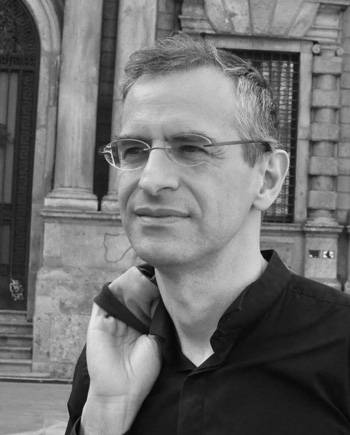 rita.maggi@univr.it

 mariafederica.merotto@univr.it



















 claudio.tomazzoli@univr.it

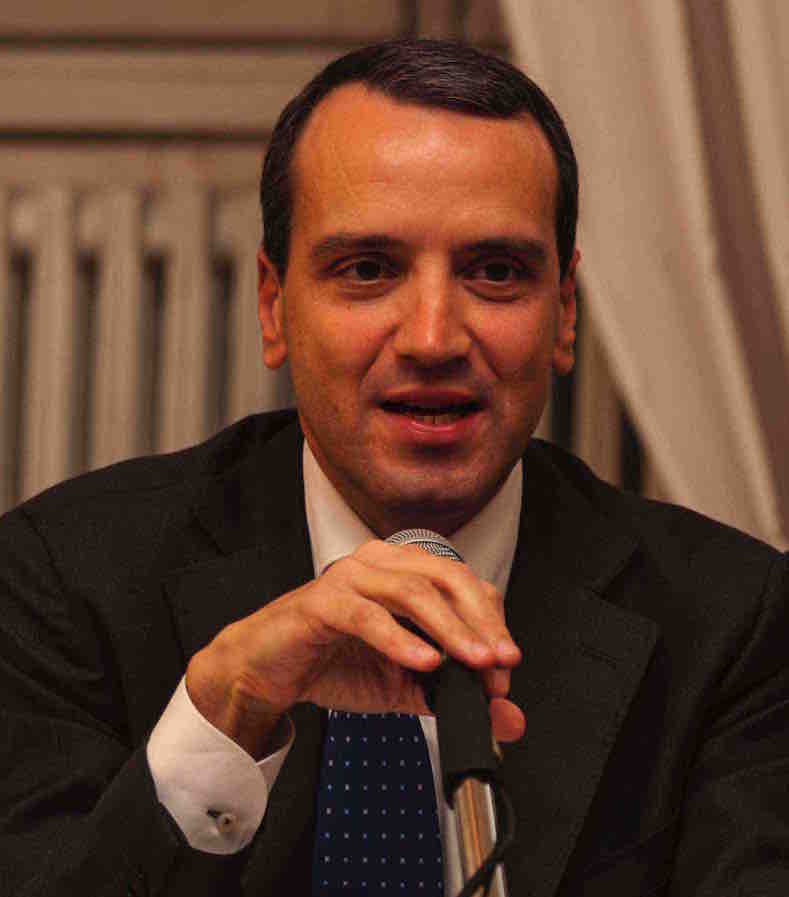

Study Plan
The Study Plan includes all modules, teaching and learning activities that each student will need to undertake during their time at the University.
Please select your Study Plan based on your enrollment year.
1° Year
| Modules | Credits | TAF | SSD |
|---|
Roman Law Institutions
History of Medieval and Modern Law
2° Year activated in the A.Y. 2020/2021
| Modules | Credits | TAF | SSD |
|---|
1 module to be chosen between the following1 module to be chosen between the following1 module to be chosen between the following3° Year activated in the A.Y. 2021/2022
| Modules | Credits | TAF | SSD |
|---|
4° Year activated in the A.Y. 2022/2023
| Modules | Credits | TAF | SSD |
|---|
1 module to be chosen between the following5° Year activated in the A.Y. 2023/2024
| Modules | Credits | TAF | SSD |
|---|
1 module to be chosen between the following| Modules | Credits | TAF | SSD |
|---|
Roman Law Institutions
History of Medieval and Modern Law
| Modules | Credits | TAF | SSD |
|---|
1 module to be chosen between the following1 module to be chosen between the following1 module to be chosen between the following| Modules | Credits | TAF | SSD |
|---|
| Modules | Credits | TAF | SSD |
|---|
1 module to be chosen between the following| Modules | Credits | TAF | SSD |
|---|
1 module to be chosen between the following| Modules | Credits | TAF | SSD |
|---|
5 modules to be chosen among the following during the 3rd, 4th and 5th year (in detail: 1 module in the 3rd year; 1 module in the 4th year; 3 modules in the 5th year)Legend | Type of training activity (TTA)
TAF (Type of Educational Activity) All courses and activities are classified into different types of educational activities, indicated by a letter.
Type D and Type F activities
Le attività che consentono l’acquisizione dei crediti riservati alle attività formative a libera scelta dello studente (TAF D) sono le seguenti:
• Un insegnamento previsto nell’elenco delle attività formative (TAF D) allegato al piano didattico del corso di laurea Magistrale in Giurisprudenza;
• Un insegnamento attivato nei Corsi di studi afferenti al Collegio di Giurisprudenza;
• Un laboratorio didattico attivato nei Corsi di studi afferenti al Collegio di Giurisprudenza;
• Un laboratorio didattico attivato nei Corsi di studi afferenti al Dipartimento di Scienze Giuridiche;
• Un insegnamento previsto dall’Offerta Formativa di Ateneo, non impartito nell’ambito dei corsi di studi afferenti al Collegio di Giurisprudenza: il riconoscimento dei crediti acquisiti sarà subordinato alla preventiva presentazione di coerenti programmi formativi valutati dalla Commissione istruttoria per la didattica e approvati dal Collegio didattico.
• Attività formative organizzate dai singoli docenti del Collegio di Giurisprudenza o del Dipartimento di Scienze Giuridiche: previa approvazione del Collegio ad esse verrà attribuito, dopo un’apposita verifica, un credito per ogni 6 ore di frequenza obbligatoria;
• Attività formative che implicano la partecipazione a convegni o seminari organizzati sotto il “logo” del Dipartimento di Scienze Giuridiche o dell’Ateneo: devono essere preventivamente approvate dal Collegio di Giurisprudenza indicando un docente di riferimento del Collegio di Giurisprudenza ovvero del Dipartimento di Scienze Giuridiche. Un credito per ogni giornata di convegno o di seminario si acquisisce dopo apposita verifica che dimostri l’avvenuta fruizione culturale del tema del convegno o del seminario.
Le attività che consentono l’acquisizione dei crediti riservati alle ulteriori attività formative (TAF F) sono le seguenti:
• Informatica (3 cfu)
• Stage;
• Un laboratorio didattico attivato nei Corsi di studi afferenti al Collegio di Giurisprudenza;
• Un laboratorio didattico attivato nei Corsi di studi afferenti al Dipartimento di Scienze Giuridiche.
Al link https://www.univr.it/it/i-nostri-servizi/segreterie-studenti/giurisprudenza#categdoc_7103 la modulistica per l'inserimento di attività non selezionabili in autonomia dallo studente in sede di compilazione del piano degli studi.
| years | Modules | TAF | Teacher |
|---|---|---|---|
| 4° 5° | THE PRESENT AND THE FUTURE OF THE PLANET. ECOLOGY, SUSTAINABILITY, POLICIES | D |
Laura Calafà
(Coordinator)
|
| 4° 5° | Univero’ 2019 | D |
Tommaso Dalla Massara
(Coordinator)
|
Comparative agri-food law (2021/2022)
Teaching code
4S008441
Teacher
Coordinator
Credits
6
Language
Italian
Scientific Disciplinary Sector (SSD)
IUS/02 - COMPARATIVE PRIVATE LAW
Period
2° periodo lezioni (2B) dal Apr 4, 2022 al May 20, 2022.

Learning outcomes
The course provides, with a comparative approach, an overview of legal rules applicable to the production, marketing and consumption of food and beverages. In particular, starting from the analysis of the functioning of the market and the most recent technological innovations applied to the food sector, the course will examine legal issues related to production, commercial practices, and distribution chains, focusing on rules for the protection of human and animal health and environmental sustainability.
Program
Distance lessons (1 CFU, 6 ore)
• The definition of the object of agrarian law in different countries
• Public intervention in agriculture and agricultural markets, different models and instruments
Presence lessons (5 CFU, 30 ore)
• WTO agreements on agricoltural and food products
• The EU common agricultural policy (CAP)
• The american food law system
• The agro-food law system in the Mercosur countries
• The free market agreements: interests and legal systems in confrontation
• Focus on: confrontation on GI between EU and UK (PBS)
• Focus on: confrontation on GI between EU and Canada (PBS)
• Focus on: confrontation on GI between EU and Mercosur (PBS)
Bibliography
Examination Methods
The course involves the combination of 30-hour lectures (supported by the use of PPT presentations) with group exercises organized according to the Problem Based Solving (PBS) method. At the end of the course, the presentation of the in-depth papers and the final discussion is organised.
The learning assessment will be carried out in Italian.
For students who follow the lessons, the learning assessment will be based on two different elements:
Oral test on the topics covered during the course
Paper and presentation of the group work (max 3000 words)
For students who do not follow the lessons, learning will be verified through a single oral test.
For students who follow the lessons and take the scheduled tests, the final score will be divided as follows:
Oral test on the topics covered during the course (50%)
Group work essay and presentation (max 3000 words) (50%)
For students who will not attend the lessons, the score refers to the single oral test.
The evaluation will take place through the following criteria:
- the depth and breadth of knowledge gained;
- the property of language;
- analytical and argumentative ability;
- the ability for critical reflection.
The final evaluation is expressed in 30ths. The awarding of honors is linked to the following evaluation of the exam: complete control of the discipline, excellent language skills, excellent analytical and argumentative skills and critical reflection on the legislation.
Reference texts:
Teaching materials will be distributed to attending students during lessons.
Borghi, P.; Camphor, I.; Di Lauro, A. And Russo, L. (eds.), Treaty of Italian and European Union food law, Giuffrè Francis Lefebvre, 2021. Part One: Chapters 4, 8, 9, 10, 11 and 12.
Ferrari, M. and Izzo, U., Comparative food law, Il Mulino, 2012, Chapters II and III.
Career prospects
Module/Programme news
News for students
There you will find information, resources and services useful during your time at the University (Student’s exam record, your study plan on ESSE3, Distance Learning courses, university email account, office forms, administrative procedures, etc.). You can log into MyUnivr with your GIA login details: only in this way will you be able to receive notification of all the notices from your teachers and your secretariat via email and also via the Univr app.
Language skills
Graduation
Internships
Internships are aimed at enabling students to gain direct knowledge of the world of work and to acquire specific professional skills.
Internships are carried out under the responsibility of an individual lecturer, and can be carried out in professional firms, public administration bodies and companies recognised by the University of Verona.
Any CFU credits gained by doing internships will be recognised and recorded by the University in accordance with the relevant University regulations in force (Regolamento d’Ateneo per il riconoscimento dei crediti maturati negli stage universitari).
For further information on internships, please go to: https://www.univr.it/it/i-nostri-servizi/stage-e-tirocini.
Student mentoring
Dissertation
Gestione carriere
Student login and resources
Modalità e sedi di frequenza
La frequenza non è obbligatoria.
Maggiori dettagli in merito all'obbligo di frequenza vengono riportati nel Regolamento del corso di studio disponibile alla voce Regolamenti nel menu Il Corso. Anche se il regolamento non prevede un obbligo specifico, verifica le indicazioni previste dal singolo docente per ciascun insegnamento o per eventuali laboratori e/o tirocinio.
È consentita l'iscrizione a tempo parziale. Per saperne di più consulta la pagina Possibilità di iscrizione Part time.
La sede di svolgimento delle lezioni e degli esami è il Palazzo e aule didattiche di giurisprudenza
