Studying at the University of Verona
Here you can find information on the organisational aspects of the Programme, lecture timetables, learning activities and useful contact details for your time at the University, from enrolment to graduation.
Academic calendar
The academic calendar shows the deadlines and scheduled events that are relevant to students, teaching and technical-administrative staff of the University. Public holidays and University closures are also indicated. The academic year normally begins on 1 October each year and ends on 30 September of the following year.
Course calendar
The Academic Calendar sets out the degree programme lecture and exam timetables, as well as the relevant university closure dates..
| Period | From | To |
|---|---|---|
| Sem. IA (31.10.16 sosp.lezioni) | Oct 3, 2016 | Nov 12, 2016 |
| Sem. IB | Nov 14, 2016 | Jan 21, 2017 |
| Sem. IIA | Feb 27, 2017 | Apr 22, 2017 |
| Sem. IIB | Apr 24, 2017 | Jun 10, 2017 |
| Session | From | To |
|---|---|---|
| Sessione Estiva | Jun 12, 2017 | Jul 29, 2017 |
| Sessione Autunnale | Aug 21, 2017 | Sep 23, 2017 |
| Sessione Straordinaria | Jan 22, 2018 | Feb 24, 2018 |
| Session | From | To |
|---|---|---|
| Sessione Estiva | Jul 10, 2017 | Jul 15, 2017 |
| Sessione Autunnale | Dec 18, 2017 | Dec 21, 2017 |
| Sessione Invernale | Mar 23, 2018 | Mar 29, 2018 |
| Period | From | To |
|---|---|---|
| Festa di Ognissanti | Nov 1, 2016 | Nov 1, 2016 |
| Festa dell'Immacolata | Dec 8, 2016 | Dec 8, 2016 |
| Vacanze di Natale | Dec 23, 2016 | Jan 6, 2017 |
| Vacanze Pasquali | Apr 14, 2017 | Apr 18, 2017 |
| Festa della Liberazione | Apr 25, 2017 | Apr 25, 2017 |
| Festa dei Lavoratori | May 1, 2017 | May 1, 2017 |
| Festa del Santo Patrono - San Zeno | May 21, 2017 | May 21, 2017 |
| Festa della Repubblica | Jun 2, 2017 | Jun 2, 2017 |
| Vacanze Estive | Aug 14, 2017 | Aug 19, 2017 |
Exam calendar
Exam dates and rounds are managed by the relevant Humanistic Studies Teaching and Student Services Unit.
To view all the exam sessions available, please use the Exam dashboard on ESSE3.
If you forgot your login details or have problems logging in, please contact the relevant IT HelpDesk, or check the login details recovery web page.
Should you have any doubts or questions, please check the Enrollment FAQs
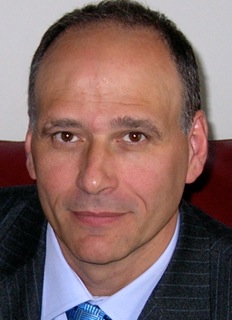
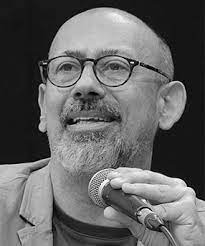
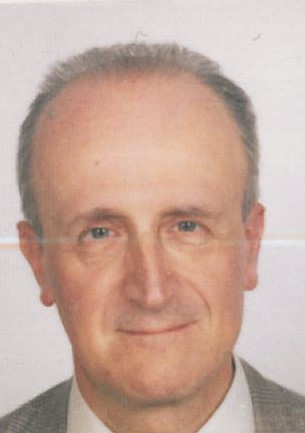
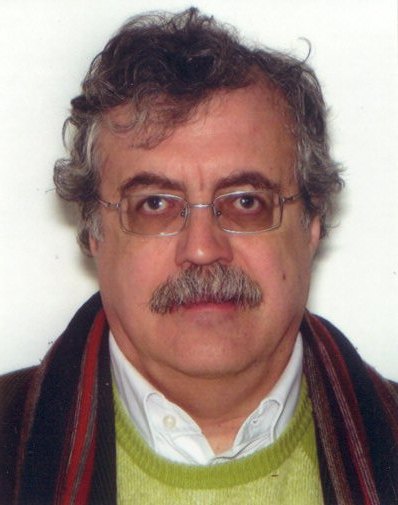
Academic staff
 alex.arcozzi@univr.it
Avezzu' Guido
guido.avezzu@univr.it
 augusto.barbi@univr.it

 evita.calabrese@univr.it
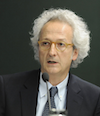
Carnero Roberto
roberto.carnero@univr.it
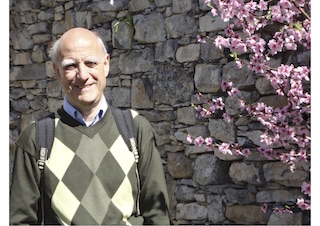 alberto.cavarzere@univr.it

Chiecchi Giuseppe
giuseppe.chiecchi@univr.it
 +39 045802 8117
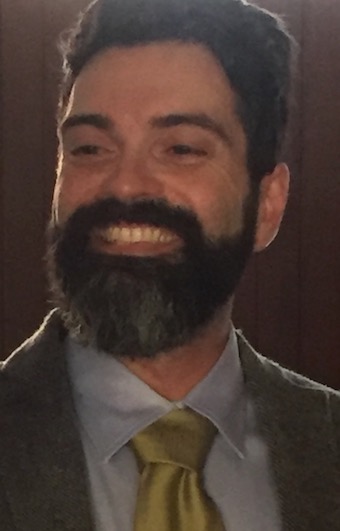
 francesco.depaola@univr.it


Mastrocinque Attilio
attilio.mastrocinque@univr.it
+39 045802 8386

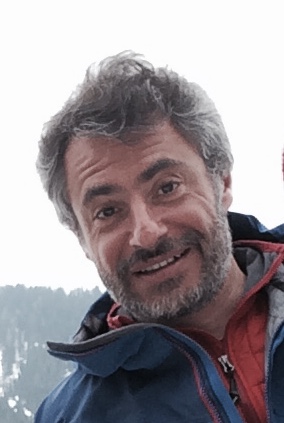
 linda.napolitano@univr.it
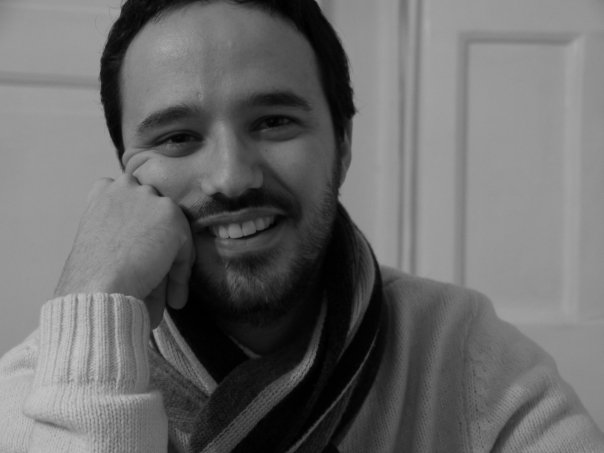
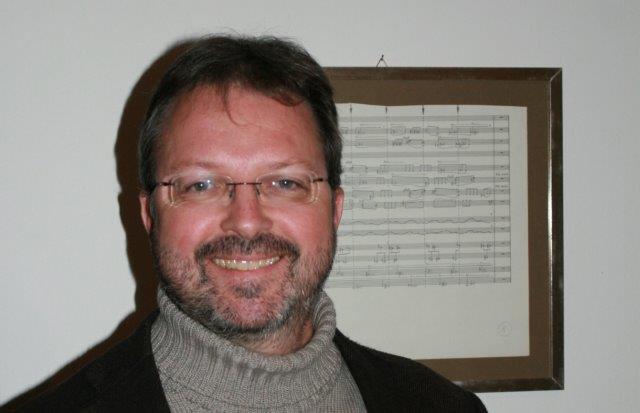









 gianmaria.varanini@univr.it

Study Plan
The Study Plan includes all modules, teaching and learning activities that each student will need to undertake during their time at the University.
Please select your Study Plan based on your enrollment year.
1° Year
| Modules | Credits | TAF | SSD |
|---|
One course to be chosen among the following2° Year activated in the A.Y. 2017/2018
| Modules | Credits | TAF | SSD |
|---|
One course to be chosen among the following
One course to be chosen among the following
One/two courses to be chosen among the followingOne course to be chosen among the following3° Year activated in the A.Y. 2018/2019
| Modules | Credits | TAF | SSD |
|---|
Two/four courses to be chosen among the followingOne/two courses to be chosen among the following| Modules | Credits | TAF | SSD |
|---|
One course to be chosen among the following| Modules | Credits | TAF | SSD |
|---|
One course to be chosen among the following
One course to be chosen among the following
One/two courses to be chosen among the followingOne course to be chosen among the following| Modules | Credits | TAF | SSD |
|---|
Two/four courses to be chosen among the followingOne/two courses to be chosen among the following| Modules | Credits | TAF | SSD |
|---|
Legend | Type of training activity (TTA)
TAF (Type of Educational Activity) All courses and activities are classified into different types of educational activities, indicated by a letter.
Philosophical anthropology (p) (2017/2018)
Teaching code
4S02158
Teacher
Coordinator
Credits
6
Language
Italian
Scientific Disciplinary Sector (SSD)
M-FIL/03 - MORAL PHILOSOPHY
Period
Sem. IIA dal Feb 26, 2018 al Apr 21, 2018.

Learning outcomes
The course aims at equipping students with a set of conceptual instruments and styles of thought concerning some great anthropological issues characterizing contemporary world and contemporary philosophical elaboration.
By the end of the course, students are expected to possess sufficient autonomy in retracing the main issues of the course and master its philosophical language and main conceptual issues.
Program
The course will address the idea of dream elaborated by Bergson. The dream will also lead to explore the continuities between Bergson’s anthropology, his materialism and his philosophy of language.
Students attending the classes will receive frontal lessons which will address the textes in the form of a comment, an elaboration, an extension of their content. The individual study of the bibliography will be limited to the chapters discussed during the classes and will be an important part of the preparation of the final exam. Meeting hours for students are scheduled during the whole academic year. Days and hours of the courses and meetings will be communicated in the teacher’s personal webpage.
Students who will not attend classes will study the bibliography entirely.
| Author | Title | Publishing house | Year | ISBN | Notes |
|---|---|---|---|---|---|
| Sigmund Freud | Il sogno, in Opere di Sigmund Freud, vol. 4 | Boringhieri | 1970 | Il testo è disponibile in pdf sulla piattaforma e-learning collegata con questo insegnamento. | |
| Ludwig Binswanger | Il sogno. Mutamenti nella concezione e interpretazione dai Greci al presente | Quodlibet | 2008 | ||
| Michel Foucault | La cura di sé. Storia della sessualità 3 | Feltrinelli | 2014 | Nota bene: solo capitolo 1 "Sognare i piaceri dell'amore" (disponibile sulla piattaforma e-learning collegata con questo insegnamento). | |
| Henri Bergson | L'energia spirituale | Cortina | 2008 | ||
| Henri Bergson | Storia della memoria e storia della metafisica | ETS | 2007 |
Examination Methods
In order to pass the exam, students will need to show that:
- they possess a sufficient knowledge of the issues, the conceptual instruments, the great outlines of the commented texts.
- they possess the capacity to retrace and elaborate with sufficient accuracy and subjectivation the texts and their conceptuale perspectives.
The competence of all students, either those who attended the course or those who didn’t, will be ascertained by means of an oral examination. The final score will be expressed in /30s.
Type D and Type F activities
Modules not yet included
Career prospects
Module/Programme news
News for students
There you will find information, resources and services useful during your time at the University (Student’s exam record, your study plan on ESSE3, Distance Learning courses, university email account, office forms, administrative procedures, etc.). You can log into MyUnivr with your GIA login details: only in this way will you be able to receive notification of all the notices from your teachers and your secretariat via email and also via the Univr app.
Student mentoring
Linguistic training CLA
Gestione carriere
Practical information for students
Documents
| Title | Info File |
|---|---|
 1 - Guida per lo studente - AGGIORNAMENTO 2022
|
pdf, it, 325 KB, 16/07/24 |
|
2 - Guida per lo studente - AGGIORNAMENTO 2020
|
pdf, it, 212 KB, 02/05/23 |
|
3 - Guida per lo studente - AGGIORNAMENTO 2013
|
pdf, it, 131 KB, 02/05/23 |
Graduation
Documents
| Title | Info File |
|---|---|
|
Adempimenti amministrativi domanda di laurea Marzo/Aprile 2025 a.a.2023/2024
|
pdf, it, 109 KB, 12/07/24 |
|
Adempimenti amministrativi domanda di laurea Novembre 2024 a.a. 2023/2024
|
pdf, it, 112 KB, 14/05/24 |
